Workplace culture represents the shared values, beliefs, and behaviours that define how work gets done within your organisation. It is the invisible force that shapes employee interactions, decision-making processes, and the overall work experience. In today’s hybrid work environment, understanding and actively managing workplace culture has become more important than ever for employee retention and business success.
What is workplace culture and why does it matter more than ever?
Workplace culture is the collective personality of your organisation, encompassing the shared values, beliefs, attitudes, and behaviours that guide how employees interact and work together. It includes everything from communication styles and decision-making processes to the unwritten rules about how things actually get done.
The shift to hybrid and remote work has made culture more important because traditional methods of culture transmission no longer work. When employees are not sharing physical spaces daily, you cannot rely on casual conversations, impromptu meetings, or simply observing how things are done to maintain cultural cohesion.
Strong workplace culture directly impacts your bottom line through improved employee retention, higher productivity, and better business outcomes. When people understand and connect with your organisation’s values, they make better decisions independently, collaborate more effectively, and stay with your company longer. This becomes particularly valuable when managing distributed teams where supervision and guidance happen less frequently.
Culture also serves as your competitive advantage in attracting talent. Job seekers increasingly prioritise cultural fit and values alignment when choosing employers, making your culture a powerful recruitment and retention tool.
What are the key elements that actually shape workplace culture?
Six fundamental components create and maintain workplace culture: communication patterns, decision-making processes, work-life balance policies, physical and digital environments, leadership behaviours, and the unwritten rules that govern daily interactions.
Communication styles form the foundation of your culture. This includes whether your organisation favours direct or diplomatic feedback, formal or casual interactions, and how information flows between teams and levels. The tools you use and how you use them also shape communication culture.
Decision-making processes reveal your organisation’s true values. Whether decisions are made collaboratively or hierarchically, quickly or deliberately, and with transparency or behind closed doors all communicate what you actually value versus what you say you value.
Work-life balance policies demonstrate how you view employee wellbeing. This includes flexible working arrangements, time-off policies, and expectations around after-hours availability. These policies signal whether you trust employees and prioritise their overall wellbeing.
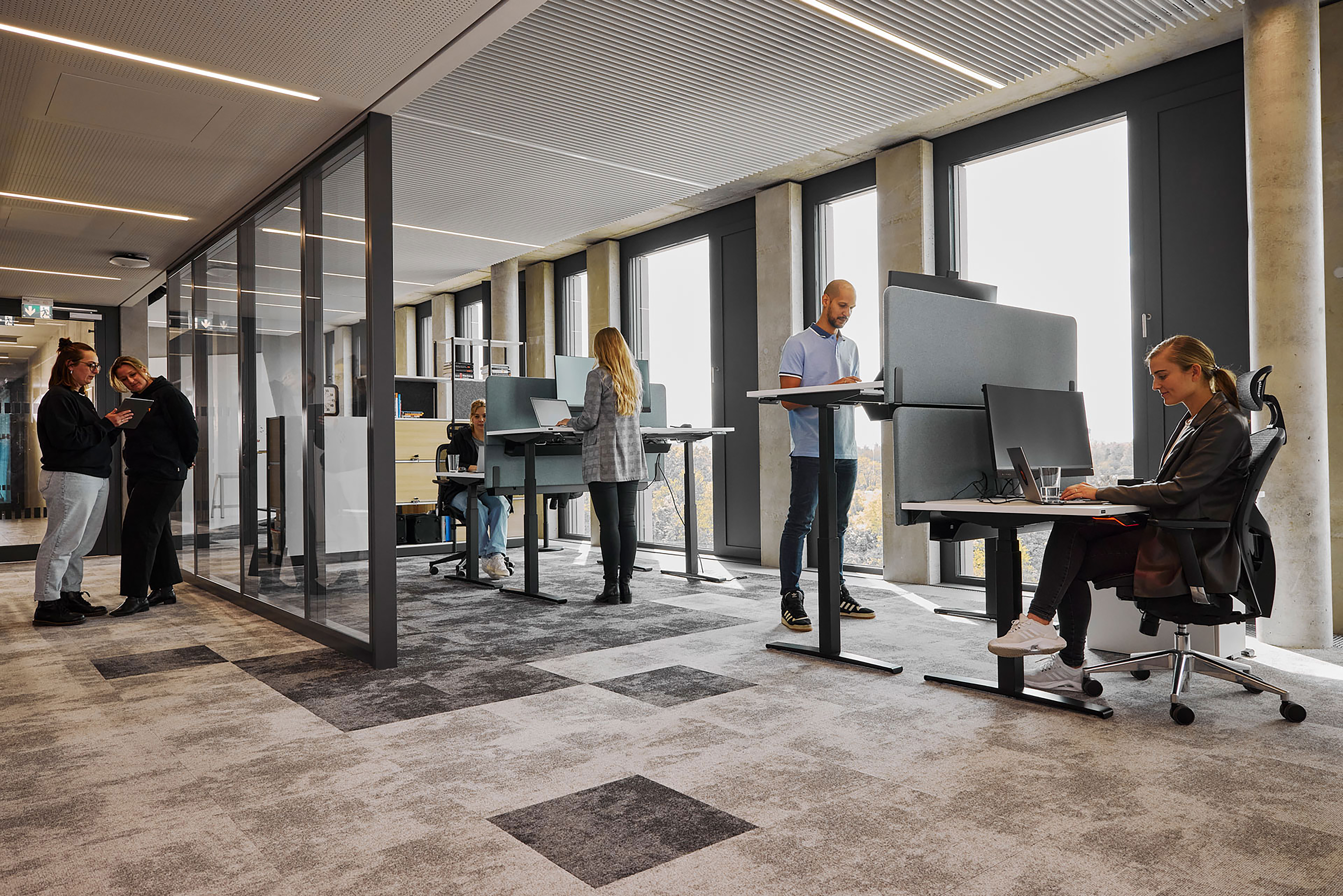
Physical and digital environments shape daily experiences. Office layout, technology choices, and digital collaboration tools all influence how people work and interact. Your smart office design becomes particularly important for hybrid teams.
Leadership behaviours set the tone for everything else. How leaders handle challenges, celebrate successes, and interact with team members creates the template that others follow. Leaders model the culture through their actions more than their words.
Unwritten rules often carry more weight than official policies. These include expectations about meeting participation, how to handle disagreements, career advancement paths, and social interactions that are not documented anywhere but that everyone understands.
How do you know if your workplace culture is healthy or toxic?
Healthy workplace culture shows up in observable behaviours and measurable outcomes: people collaborate willingly, share ideas openly, support each other’s success, and stay with the organisation longer. Toxic culture reveals itself through defensive behaviours, information hoarding, blame-shifting, and high turnover rates.
Positive indicators include employees volunteering for cross-team projects, sharing credit for successes, offering help without being asked, and speaking positively about the organisation outside work. You will notice people admit mistakes without fear, ask questions freely, and celebrate others’ achievements genuinely.
Innovation frequency also signals cultural health. When people feel safe to experiment and fail, they propose new ideas, test different approaches, and build on each other’s suggestions. Healthy cultures encourage calculated risk-taking and learning from failures.
Warning signs of toxic culture include people avoiding responsibility, withholding information, competing destructively with colleagues, and complaining frequently about leadership or processes. You might notice employees becoming disengaged in meetings, avoiding collaboration, or expressing cynicism about company initiatives.
Turnover patterns tell an important story. High turnover in specific teams or roles often indicates localised cultural problems. Exit interview feedback themes reveal whether people leave because of growth opportunities, compensation, or cultural misalignment.
Employee feedback patterns in surveys, one-to-ones, and informal conversations provide direct insight into cultural health. Pay attention to recurring themes, especially around trust, fairness, recognition, and feeling valued.
What’s the difference between workplace culture in remote, hybrid, and office settings?
Workplace culture manifests differently across work environments, with office settings relying on physical proximity and shared experiences, remote cultures depending heavily on intentional digital interactions, and hybrid environments requiring deliberate strategies to maintain consistency across both physical and virtual spaces.
Office-based culture develops through spontaneous interactions, shared physical experiences, and visual cues. People absorb cultural norms through observation, casual conversations, and group activities. The physical environment reinforces values through design choices, meeting spaces, and social areas.
Remote culture requires more intentional cultivation since organic interactions do not happen naturally. Cultural transmission depends on structured communication, virtual team-building activities, and deliberate relationship-building efforts. Digital tools become the primary medium for cultural expression and reinforcement.
Remote cultures often emphasise trust, autonomy, and results over presence. They typically develop stronger documentation habits, more structured communication protocols, and greater flexibility in working styles. However, they can struggle with relationship building and may miss nuanced cultural cues.
Hybrid culture faces the unique challenge of maintaining consistency between in-office and remote experiences. The risk lies in creating two-tier systems where office-present employees have different cultural experiences from remote workers.
Successful hybrid cultures establish clear expectations for both environments, ensure equal participation in meetings and decisions regardless of location, and create intentional touchpoints that connect all team members. They often develop new rituals and practices that work across both settings.
Each environment requires different cultural maintenance strategies. Office cultures benefit from physical space design and in-person events. Remote cultures need robust digital engagement and virtual connection opportunities. Hybrid cultures require systematic approaches that bridge both experiences effectively.
How do you actually build and improve workplace culture step by step?
Building workplace culture follows a systematic process: align leadership on desired values and behaviours, define cultural expectations clearly, model behaviours consistently, establish feedback systems for accountability, and measure progress through regular assessment and adjustment.
Leadership alignment comes first because inconsistent leadership messages confuse employees and undermine cultural efforts. Leaders must agree on core values, expected behaviours, and how culture will be reinforced before communicating anything to the broader organisation.
Value definition requires translating abstract concepts into specific, observable behaviours. Instead of saying “we value collaboration”, describe what collaboration looks like in practice: sharing information proactively, asking for input before making decisions, and supporting other teams’ success.
Behaviour modelling happens through consistent leadership actions that demonstrate cultural values. Leaders must embody the culture they want to see, especially during challenging situations when it is tempting to abandon stated values for expedient solutions.
Recognition and hiring practices reinforce culture by celebrating behaviours that align with your values and selecting candidates who demonstrate cultural fit alongside technical skills. Performance reviews should evaluate cultural contribution, not just individual achievements.
Feedback systems create accountability and continuous improvement. Regular employee surveys, focus groups, and one-to-one conversations provide insight into how culture is actually experienced versus how it is intended.
Measurement approaches track cultural health through both quantitative metrics (turnover rates, engagement scores, internal mobility) and qualitative indicators (feedback themes, behaviour observations, innovation frequency). Regular assessment helps you adjust strategies before problems become entrenched.
Remember that culture change happens gradually through consistent small actions rather than dramatic announcements. Focus on sustainable practices that reinforce your desired culture daily rather than one-off initiatives that create temporary enthusiasm but do not change underlying behaviours.
Creating strong workplace culture requires ongoing attention and adjustment, especially as your organisation grows and evolves. The investment pays dividends through improved employee satisfaction, better business outcomes, and a more resilient organisation that can adapt to changing circumstances while maintaining its core identity. We understand these challenges and can help you create the digital infrastructure that supports and reinforces your cultural goals across all work environments.