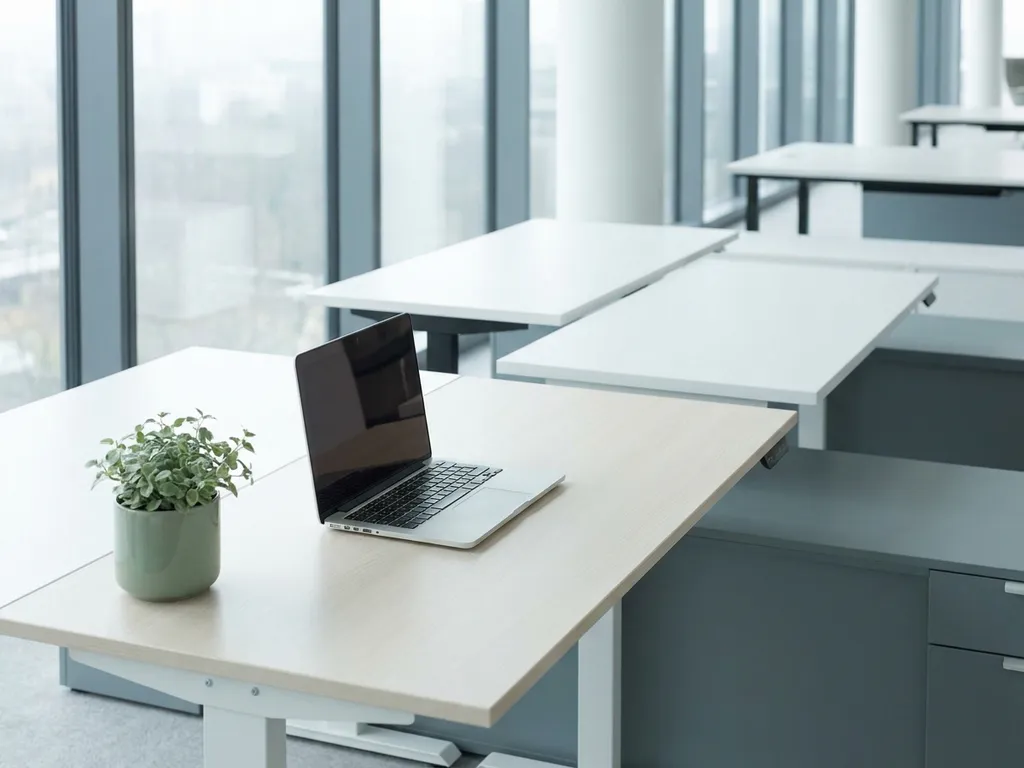
Workspace flexibility shapes workplace culture by signaling to employees how much trust and autonomy the organization places in them. When people can choose where, when, and how they work, that choice communicates organizational values more clearly than any internal memo. The questions below unpack what flexibility actually looks like in practice and why it matters more than most organizations realize.
How does workspace flexibility actually shape company culture?
Workspace flexibility shapes company culture by translating organizational values into daily lived experience. When employees can choose how they use the office, that freedom communicates trust. When they cannot, it communicates control. Culture is built from thousands of small daily signals, and workspace policy is one of the loudest.
A rigid workspace setup, where everyone must sit at an assigned desk from nine to five, sends a message about hierarchy and oversight whether leadership intends it or not. A flexible workspace, where people pick environments suited to their tasks, sends the opposite message: we trust you to manage your own work.
This is why organizations that invest in smart office solutions often report cultural shifts alongside operational ones. When the physical environment reflects a flexible philosophy, employees feel it. That feeling drives engagement, belonging, and ultimately retention.
What are the key elements of a flexibility-first workplace culture?
A flexibility-first workplace culture combines physical design, management philosophy, and technology into a coherent employee experience. It is not simply about allowing remote work or offering hot desks. It requires deliberate choices across several dimensions.
The core elements include:
- Variety of work settings: Quiet focus zones, collaborative areas, informal lounge spaces, and formal meeting rooms give employees genuine choice based on the task at hand.
- Activity-based working principles: Rather than assigning people to fixed desks, the office is designed around activities. A person writing a report needs different surroundings than someone running a workshop.
- Transparent availability: Employees need to know which desks and rooms are free before they arrive. Without this, flexibility creates frustration rather than freedom.
- Manager trust and accountability norms: Flexibility without a culture of trust becomes performative. Leaders need to evaluate output, not presence.
- Inclusive access to tools: Every employee, regardless of seniority, should have equal access to booking systems, workspace information, and collaboration technology.
These elements reinforce each other. Physical variety without booking transparency creates confusion. Trust without accountability creates inequity. The strongest flexible cultures treat all five as interdependent.
Does workspace flexibility improve employee engagement and retention?
Yes, workspace flexibility consistently improves both employee engagement and retention, particularly among knowledge workers in hybrid work models. When people feel they have meaningful control over their work environment, their sense of ownership and satisfaction increases, which directly reduces the likelihood that they will look elsewhere.
The logic is straightforward. Engagement is driven by autonomy, mastery, and purpose. Workspace flexibility addresses autonomy directly: it gives people agency over one of the most concrete aspects of their working day. That agency, even in small forms, has a compounding effect on how connected someone feels to their organization.
Retention follows engagement. When employees feel trusted and supported by their physical work environment, the bar for leaving rises. Conversely, organizations that enforce rigid workspace policies while competitors offer flexibility risk losing talent not because of salary or role, but because of how the office feels to work in.
Industry experience consistently shows that employees in flexible environments report higher satisfaction with their employer, stronger team connections, and a greater willingness to come into the office voluntarily. That last point matters: voluntary presence is a much healthier cultural signal than mandated attendance.
How does flexible workspace design affect team collaboration?
Flexible workspace design improves team collaboration by creating environments intentionally suited to different types of collaborative work, rather than forcing all interaction into the same setting. Not every collaboration looks the same, and workspace design that acknowledges this produces better outcomes.
Consider the difference between a quick two-person check-in and a full-team planning session. The first benefits from an informal standing area or a small booth. The second needs a proper meeting room with presentation tools. A flexible office provides both, and a good booking system ensures both are accessible without friction.
There is also a social dimension to collaboration that workspace design can either support or undermine. When colleagues can easily see who else is in the office and where they are sitting, spontaneous interaction increases. Features like interactive floor maps and colleague-finding tools remove the awkwardness of wandering around looking for someone, and that small friction reduction has a real effect on how often people actually connect.
The risk in poorly designed flexible offices is the opposite: employees arrive, cannot find colleagues or suitable spaces, and end up more isolated than they would have been working from home. Good flexible design is therefore not just about variety, it is about visibility and ease.
What’s the difference between workspace flexibility and remote work policy?
Workspace flexibility and remote work policy are related but distinct concepts. Remote work policy governs where employees can work, typically defining how many days per week they can work from home versus the office. Workspace flexibility governs how employees use the office when they are there, including which spaces they can access and how they book them.
An organization can have a generous remote work policy but a completely inflexible office, where everyone still has an assigned desk and fixed seating arrangements. Conversely, a company might require full-time office attendance but offer a highly flexible, activity-based environment once employees arrive.
The distinction matters because they solve different problems:
- Remote work policy addresses the question of location and schedule. It is primarily about work-life balance, commuting, and geographic flexibility.
- Workspace flexibility addresses the question of environment and autonomy within the office. It is primarily about how effectively the physical space supports different types of work.
- Hybrid work culture at its best integrates both. Employees choose their location based on the day’s needs, and when they come in, the office adapts to how they want to work.
Organizations that confuse the two often find that offering remote work alone does not resolve dissatisfaction with the office experience. Both levers need attention.
How can organizations measure the cultural impact of workspace flexibility?
Organizations can measure the cultural impact of workspace flexibility through a combination of quantitative occupancy data, employee engagement surveys, and behavioral indicators like voluntary office attendance rates. No single metric tells the full story, but together they paint a clear picture.
On the quantitative side, workplace analytics tools track how spaces are used, which areas are popular, which go unused, and how occupancy patterns shift over time. If flexible spaces are being actively chosen over fixed alternatives, that is a behavioral signal of cultural adoption. If certain collaboration zones consistently fill up while others sit empty, that tells you something about how your teams actually prefer to work together.
On the qualitative side, pulse surveys that ask employees specifically about their office experience, whether they feel they have enough space variety, whether they can find colleagues easily, and whether the office supports their work, provide direct cultural feedback that occupancy data alone cannot capture.
Behavioral indicators worth tracking include:
- Voluntary office attendance trends over time
- Booking cancellation and no-show rates, which indicate whether flexibility is being used or just available in theory
- Employee net promoter scores related specifically to the workplace experience
- Onboarding feedback from new hires about how the office environment shaped their first impressions
The most useful measurement approach combines these signals regularly rather than running a one-off audit. Culture shifts gradually, and the data should be reviewed with the same cadence.
How GoBright helps build a flexibility-first workplace culture
We built GoBright specifically for organizations navigating the shift toward hybrid and flexible working, and our Smart Office platform brings together everything needed to make workspace flexibility work in practice, not just in principle.
Here is what that looks like concretely:
- Desk and room booking: Employees reserve workspaces in seconds via the GoBright app, Microsoft Teams, Outlook, or touchscreen panels, so they always arrive knowing where they will work.
- Find My Colleague and Team Booking: Visibility tools that remove the friction of not knowing who is in, making spontaneous collaboration far more likely.
- Interactive floor maps: Real-time availability at a glance, so employees can orient themselves and find the right environment for their task.
- Workplace analytics: Data on occupancy, space usage, and flow patterns that give facility managers and leadership the insight they need to keep optimizing the office for actual use.
- Activity-based workspace support: Our platform is designed around the principle that different work needs different environments, and it makes navigating that variety effortless.
We are ISO 27001 certified, GDPR compliant, and host all data on European servers, so your organization gets flexibility without compromising on security. And because we license per desk or room rather than per user, scaling up does not mean runaway costs.
If you are ready to turn workspace flexibility from a concept into a cultural reality, get in touch with us and we will show you what that looks like for your organization.
Frequently Asked Questions
How long does it typically take for workspace flexibility changes to visibly impact company culture?
Cultural shifts driven by workspace changes usually become noticeable within three to six months, but meaningful, lasting change typically takes one to two years. The physical changes, like introducing hot desks or collaboration zones, happen quickly, but the behavioral and attitudinal shifts that follow require consistent reinforcement through management behavior, communication, and policy alignment. Tracking voluntary office attendance and pulse survey results on a quarterly basis will help you identify whether the cultural needle is actually moving.
What are the most common mistakes organizations make when rolling out a flexible workspace model?
The most common mistake is treating workspace flexibility as a real estate decision rather than a cultural one, focusing on reducing desk ratios without addressing the trust, tools, and management norms that make flexibility actually work. Other frequent missteps include failing to provide a reliable booking system before removing assigned desks, rolling out flexibility unevenly across seniority levels, and neglecting to communicate the 'why' behind the changes to employees. Flexibility that feels imposed rather than empowering will generate resistance, not engagement.
How should managers adapt their leadership style to support a flexibility-first workplace?
Managers in flexible workplaces need to shift from presence-based oversight to output-based accountability, evaluating what employees deliver rather than when or where they are visible. This means setting clear expectations upfront, maintaining regular check-ins that focus on progress and blockers rather than attendance, and actively modeling flexible working behaviors themselves. Leaders who visibly use collaboration zones, book desks like everyone else, and avoid rewarding in-office presence over results send the most powerful cultural signal of all.
Can workspace flexibility work for organizations that require full-time office attendance?
Absolutely. Workspace flexibility is about how employees use the office, not whether they come in, so it delivers real value even in fully on-site environments. An organization requiring five-day office attendance can still offer activity-based working, a variety of space types, and a frictionless booking experience that gives employees meaningful autonomy within those walls. In fact, for organizations with mandatory attendance policies, investing in a genuinely flexible office environment becomes even more important as a way to demonstrate trust and respect for how employees do their best work.
How do you ensure that flexible workspace policies are experienced equitably across all employees, not just senior staff?
Equity in flexible workplaces requires deliberate design: every employee, regardless of role or seniority, should have identical access to booking systems, space types, and workplace information. Organizations should audit whether premium spaces like quiet focus rooms or well-equipped meeting rooms are being informally reserved or dominated by senior staff, and enforce booking policies consistently at all levels. Using a transparent, first-come-first-served digital booking platform removes informal hierarchies from space access and reinforces the cultural message that flexibility is for everyone.
What's the best way to get employee buy-in before transitioning to a flexible workspace model?
The most effective approach is to involve employees in the design process before changes are finalized, not just inform them after decisions are made. Running workshops, surveys, or focus groups to understand how different teams actually work, what frustrates them about the current setup, and what they need from a flexible environment builds both better design outcomes and genuine ownership of the change. Piloting the new model with a volunteer team first, gathering feedback, and visibly acting on it before a wider rollout demonstrates that leadership is listening, which is itself a powerful cultural signal.
How does workspace flexibility support employee wellbeing, beyond just engagement and retention?
Workspace flexibility supports wellbeing by reducing the low-level daily friction and stress that comes from environments that do not match the work being done, such as trying to focus in a noisy open-plan office or taking sensitive calls in a shared space. When employees can choose an environment that fits their current task and energy level, they experience less cognitive fatigue and greater sense of control, both of which are strongly linked to mental wellbeing at work. Over time, this autonomy also reduces the feeling of being monitored or micromanaged, which is one of the most commonly cited sources of workplace stress.