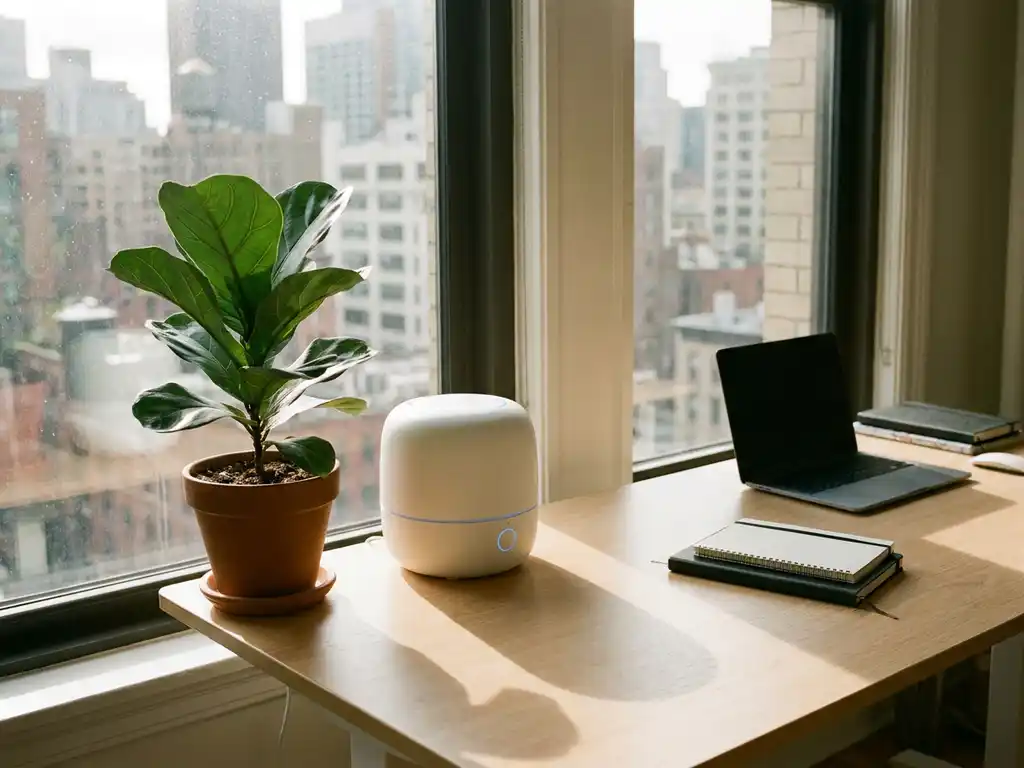
IoT technology enhances employee wellbeing at work by creating intelligent environments that automatically monitor and optimise workplace conditions. Connected sensors track air quality, lighting, temperature and occupancy patterns to maintain optimal comfort levels while reducing stress factors such as noise and overcrowding. This data-driven approach enables facility managers to create healthier, more productive workspaces that support both physical comfort and mental wellbeing through predictive maintenance and personalised environmental controls.
What is IoT technology and how does it apply to workplace wellbeing?
IoT (Internet of Things) technology in workplace wellbeing refers to interconnected sensors and smart devices that continuously monitor environmental factors, employee movement patterns and workspace utilisation. These connected systems collect real-time data about air quality, lighting conditions, temperature, occupancy levels and space usage to create comprehensive insights that improve employee health, comfort and productivity in modern office environments.
The application of IoT to employee wellbeing in the workplace transforms traditional offices into responsive environments that adapt to human needs. Smart sensors embedded throughout the workspace detect changes in environmental conditions and automatically trigger adjustments to maintain optimal comfort levels. For example, occupancy sensors can detect when meeting rooms become overcrowded and automatically adjust ventilation systems to maintain proper air circulation.
These intelligent systems work seamlessly with existing workplace infrastructure, integrating with HVAC systems, lighting controls and space management platforms. The continuous monitoring capability means that potential wellbeing issues can be identified and addressed before they impact employee comfort or productivity. This proactive approach to workplace management creates environments where employees can focus on their work without being distracted by uncomfortable conditions or uncertainty about workspace availability.
How do IoT sensors monitor and improve office air quality and lighting?
IoT environmental sensors continuously track critical air quality parameters including CO2 levels, humidity, temperature, volatile organic compounds and particulate matter. These sensors provide real-time data that enables automatic adjustments to HVAC systems and lighting controls, maintaining optimal conditions for employee health and cognitive performance while preventing the accumulation of pollutants that can cause fatigue, headaches and reduced concentration.
Air quality monitoring through smart office technology works by strategically placing sensors throughout the workspace to create a comprehensive environmental map. When CO2 levels rise above optimal thresholds, the system automatically increases ventilation rates to bring in fresh air. Similarly, humidity sensors prevent conditions that could lead to mould growth or respiratory discomfort by triggering dehumidification systems when necessary.
Lighting optimisation through IoT sensors goes beyond simple on-off controls. Advanced sensors measure natural light levels throughout the day and automatically adjust artificial lighting to maintain consistent illumination while reducing eye strain. These systems can also implement circadian lighting patterns that support natural sleep-wake cycles, gradually shifting colour temperature throughout the day to promote alertness during working hours and prepare employees for rest in the evening.
The integration of these environmental controls creates a responsive workplace ecosystem. For instance, when sensors detect high occupancy in a particular area, the system can simultaneously adjust lighting levels for better visibility and increase ventilation to maintain air quality, ensuring that employee comfort remains consistent regardless of space utilisation patterns.
What are the key ways IoT technology reduces workplace stress and enhances comfort?
IoT technology reduces workplace stress through proactive monitoring of noise levels, space availability, temperature fluctuations and equipment performance. Smart systems prevent common stressors by providing real-time workspace availability information, maintaining consistent environmental conditions and implementing predictive maintenance that prevents equipment failures before they disrupt the work environment, creating a more comfortable and predictable workspace that supports employee mental wellbeing.
Noise level monitoring represents a significant advancement in workplace comfort management. IoT acoustic sensors detect when ambient noise exceeds productive levels and can trigger automated responses such as adjusting background masking sounds or alerting facility managers to address noise sources. This prevents the stress and concentration difficulties associated with unpredictable or excessive workplace noise.
Space availability tracking eliminates the frustration of searching for available workspaces or meeting rooms. Smart office solutions provide employees with real-time information about desk and room availability through mobile applications and digital displays. Interactive devices such as touchscreen booking panels allow employees to reserve spaces on demand, check availability instantly and even locate their reserved workspace through integrated wayfinding systems with LED indicators that guide them directly to their destination.
Predictive maintenance capabilities prevent the stress caused by unexpected equipment failures. IoT sensors monitor the performance of essential workplace systems including elevators, HVAC units and electronic devices, identifying potential issues before they cause disruptions. This proactive approach means that repairs can be scheduled during off-hours, maintaining a consistently functional work environment that employees can rely on.
Temperature control through IoT creates personalised comfort zones that adapt to individual preferences and occupancy patterns. Advanced systems can even store personal height preferences for sit-stand desks, automatically adjusting workspace ergonomics when employees check in, creating an immediately comfortable and personalised work environment that reduces physical stress and supports productivity.
How does workplace IoT data help facility managers create healthier office environments?
Workplace IoT data provides facility managers with comprehensive analytics about space utilisation patterns, employee movement flows, environmental trends and equipment performance. These actionable insights enable data-driven decisions for office layout optimisation, resource allocation, preventive maintenance scheduling and proactive health and safety measures, transforming reactive facility management into strategic workplace optimisation that prioritises employee wellbeing and operational efficiency.
Occupancy analytics reveal detailed patterns in how employees use different areas throughout the day, week and season. This information helps facility managers identify underutilised spaces that could be repurposed for employee wellbeing initiatives such as quiet zones, collaboration areas or wellness rooms. Real-time occupancy data also supports capacity planning, ensuring that popular areas do not become overcrowded and maintaining comfortable density levels that support both productivity and health.
Environmental trend analysis enables facility managers to identify patterns that might not be immediately obvious. For example, IoT data might reveal that certain areas consistently experience poor air quality during specific times, leading to targeted ventilation improvements. Similarly, lighting and temperature data can identify zones where employees might be experiencing discomfort, enabling targeted adjustments that improve overall workplace satisfaction.
The integration of multiple data streams creates a comprehensive picture of workplace health. When combined with visitor management systems, parking utilisation and digital signage engagement metrics, facility managers can understand the complete employee experience and identify opportunities for improvement. This holistic approach ensures that wellbeing initiatives are based on actual usage patterns rather than assumptions, leading to more effective interventions that genuinely improve employee comfort and productivity. To explore comprehensive products that support this data-driven approach, organisations can evaluate various IoT solutions designed specifically for workplace optimisation.
Predictive analytics capabilities allow facility managers to anticipate future needs and potential issues. By analysing historical patterns, they can predict peak usage times, identify equipment that may require maintenance and plan space modifications that will support evolving work patterns. This forward-thinking approach ensures that the workplace continues to support employee wellbeing as organisational needs change and hybrid work models evolve. For organisations looking to implement these advanced workplace solutions, consulting with experts about us can provide valuable insights into best practices and implementation strategies. Those ready to take the next step can contact specialists to discuss specific requirements and customised solutions for their workplace environments.
How GoBright helps with workplace IoT and employee wellbeing
GoBright provides comprehensive IoT solutions that transform traditional offices into intelligent environments focused on employee wellbeing and operational efficiency. Our integrated platform addresses the key challenges of modern workplace management through innovative technology and data-driven insights.
Our solutions deliver measurable improvements to workplace wellbeing through:
- Real-time environmental monitoring – Smart sensors track air quality, lighting, temperature and occupancy to maintain optimal comfort levels automatically
- Intelligent space management – Interactive booking systems and wayfinding technology eliminate workspace frustration and reduce stress
- Predictive maintenance – Proactive monitoring prevents equipment failures and maintains consistent workplace functionality
- Comprehensive analytics – Detailed insights enable facility managers to make data-driven decisions that prioritise employee health and productivity
- Seamless integration – Our platform works with existing workplace infrastructure to create unified, responsive environments
Ready to transform your workplace into an intelligent environment that prioritises employee wellbeing? Contact our experts today to discover how GoBright’s IoT solutions can create healthier, more productive workspaces tailored to your organisation’s specific needs.