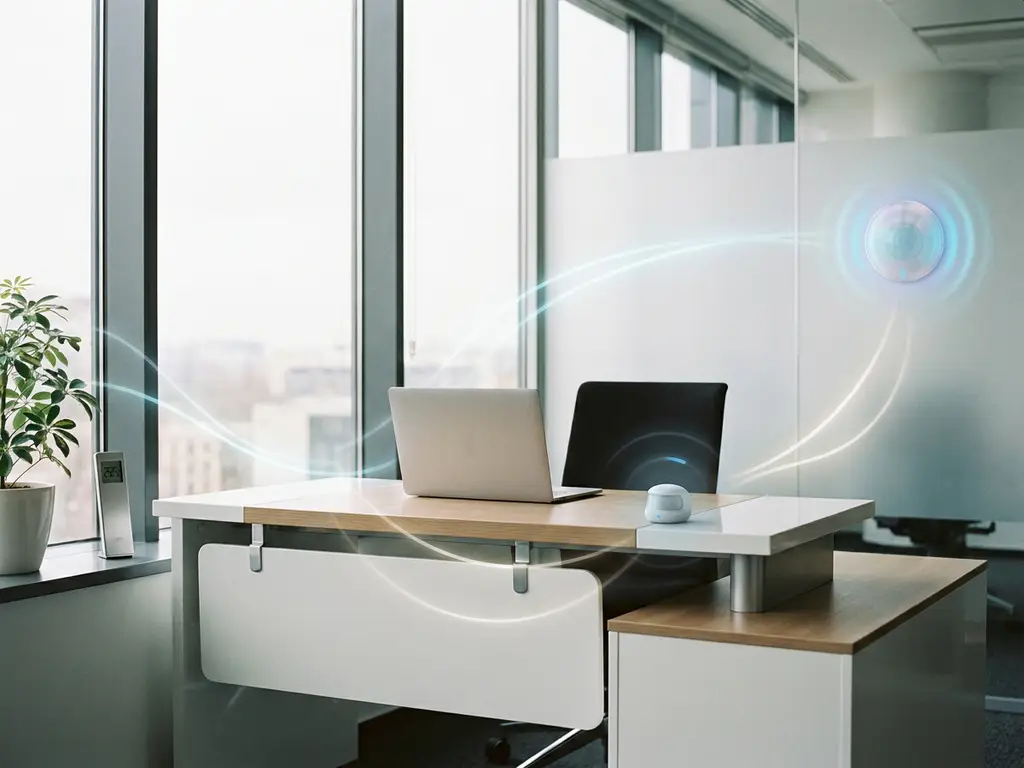
Smart office systems collect a comprehensive range of data points to optimize workplace efficiency and employee experience. These systems gather occupancy patterns, environmental metrics, space utilization rates, employee movement patterns, and equipment usage statistics. The data enables organizations to make informed decisions about space allocation, energy management, and workplace design while supporting hybrid work models and activity-based working strategies.
Why is poor space utilization costing you thousands in wasted rent?
Organizations typically waste 30-40% of their office space due to a lack of visibility into actual usage patterns. Without smart office data collection, you’re flying blind on which desks sit empty, which meeting rooms remain booked but unused, and which areas could be repurposed or downsized. This translates directly to unnecessary real estate costs, with companies paying premium rates for square footage that generates zero productivity. Smart office solutions track real-time occupancy through sensors and booking data, revealing exactly where your space investment is working and where it’s hemorrhaging money. Armed with this intelligence, you can rightsize your footprint, negotiate better lease terms, or sublease underutilized areas to recover costs.
What does inconsistent environmental data signal about your energy waste?
When environmental conditions fluctuate wildly across your office spaces, it signals a massive energy efficiency problem that’s inflating utility bills and frustrating employees. Without systematic monitoring of temperature, humidity, air quality, and lighting levels, your HVAC systems run blindly, often heating empty conference rooms or cooling vacant floor areas around the clock. This reactive approach can increase energy consumption by 25-35% compared to data-driven management. Smart environmental sensors provide the granular data needed to automate climate control based on actual occupancy, automatically adjusting lighting and temperature when spaces are in use and scaling back during vacant periods. This targeted approach dramatically reduces energy waste while maintaining optimal comfort levels for productivity.
What types of data do smart office systems collect?
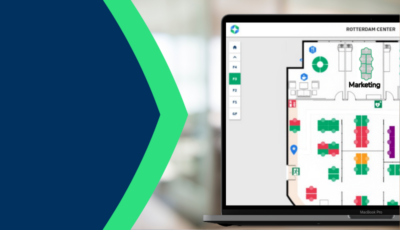
Smart office systems collect multiple categories of data to create a comprehensive picture of workplace operations. Occupancy data tracks desk and meeting room usage patterns, showing which spaces are reserved, actively used, or sitting vacant. Environmental data monitors temperature, humidity, air quality, noise levels, and lighting conditions throughout the building. Space utilization metrics reveal how different areas are used over time, identifying peak usage periods and underutilized zones.
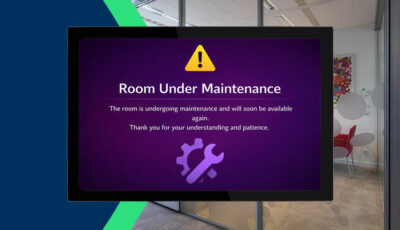
Equipment usage data tracks interactions with smart devices like height-adjustable desks, AV equipment, and digital displays. Employee preference data captures individual settings for desk height, lighting preferences, and workspace configurations. Energy consumption data monitors power usage across different building systems and zones. Security and access data logs entry and exit patterns, visitor check-ins, and access to restricted areas. Digital signage interaction data tracks engagement with workplace communications and wayfinding systems.
How do smart offices track employee movements and location?
Smart offices use multiple non-intrusive technologies to track employee movements while respecting privacy boundaries. Badge-based check-ins through NFC or RFID cards allow employees to register their presence at specific workstations or meeting rooms. Mobile app check-ins enable location tracking through voluntary user actions rather than continuous monitoring.
Occupancy sensors detect presence in spaces without identifying specific individuals, using infrared, ultrasonic, or motion detection technology. These sensors can distinguish between occupied and vacant spaces while maintaining anonymity. WiFi connection data provides general location information based on device connections to different access points throughout the building.
We integrate these tracking methods with our products to provide real-time location insights while maintaining strict privacy standards. Our system focuses on space utilization patterns rather than individual surveillance, helping organizations optimize layouts and support colleague location features without compromising employee privacy.
What environmental data do smart building sensors monitor?
Air quality sensors continuously monitor CO2 levels, volatile organic compounds (VOCs), particulate matter, and humidity levels to ensure healthy indoor environments. Temperature sensors track ambient conditions across different zones, enabling precise climate control and identifying areas that may be too hot or cold for optimal productivity.
Lighting sensors measure natural light levels and adjust artificial lighting accordingly, supporting circadian rhythms and reducing energy consumption. Noise level monitors track acoustic conditions to identify areas that may be too loud for focused work or too quiet for collaboration.
Energy usage sensors monitor power consumption from HVAC systems, lighting, and electronic equipment, providing data for sustainability initiatives and cost optimization. Air circulation sensors ensure proper ventilation and airflow throughout the building, which became especially important for health and safety considerations.
Our smart office platform leverages powerful integrations with environmental data and occupancy patterns to automatically optimize building systems. For example, when our sensors detect that a meeting room is unoccupied, the system can automatically adjust lighting and temperature to energy-saving levels, then restore optimal conditions when the space is booked or occupied again.
How is employee privacy protected in smart office data collection?
Data anonymization ensures that smart office systems collect usage patterns and occupancy data without linking information to specific individuals. Our platform focuses on space utilization trends rather than tracking individual employee behavior or performance metrics.
Voluntary participation characterizes most data collection methods, with employees choosing to check in via mobile apps, badge readers, or touchscreen devices rather than being continuously monitored. Transparent data policies clearly communicate what data is collected, how it’s used, and who has access to different types of information.
Secure data storage protects collected information through enterprise-grade security measures. We maintain ISO 27001 certification and GDPR compliance, with all data hosted on European servers to ensure maximum privacy protection. Limited data retention policies automatically purge personal information after specified periods, retaining only aggregated analytics for long-term planning.
Employee control features allow individuals to opt out of certain data collection methods while still accessing core workplace services. Our system provides clear visibility into what data is being collected and gives employees control over their participation in non-essential tracking features.
What insights can organizations gain from smart office analytics?
Space optimization insights reveal which areas are overutilized or underutilized, enabling data-driven decisions about office layout, desk ratios, and real estate needs. Organizations can identify opportunities to reduce their physical footprint or reconfigure spaces for better efficiency.
Energy efficiency analytics show exactly where and when energy is being consumed, enabling targeted conservation efforts that can reduce utility costs by 20-30%. Employee experience metrics highlight patterns in workspace preferences, helping facility managers create environments that support productivity and satisfaction.
Hybrid work insights track office attendance patterns, peak usage times, and space demand fluctuations, supporting flexible work policies and resource planning. Meeting room analytics identify booking patterns, no-show rates, and optimal room configurations to maximize meeting space efficiency.
Predictive maintenance data from smart devices and sensors can prevent equipment failures and extend asset lifecycles. Health and safety analytics monitor environmental conditions and occupancy levels to ensure compliance with workplace safety standards and support employee well-being initiatives.
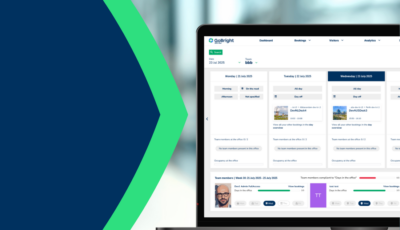
Our workplace analytics platform transforms this data into actionable insights through customizable dashboards and reports, enabling facility managers and leadership teams to make informed decisions about workspace strategy, resource allocation, and employee experience improvements. To learn more about implementing these solutions in your organization, contact us for a personalized consultation.
How GoBright helps with smart office data collection
GoBright provides a comprehensive smart office platform that seamlessly integrates all aspects of workplace data collection into one unified system. Our solution addresses the challenges of fragmented data sources and provides organizations with complete visibility into their workplace operations. Key benefits include:
• Real-time occupancy tracking through advanced sensor networks and mobile app integrations
• Automated environmental monitoring that optimizes energy consumption and employee comfort
• Privacy-compliant data collection with full GDPR compliance and employee control features
• Actionable analytics dashboards that transform raw data into strategic workplace insights
• Seamless integration with existing building systems and workplace technologies
• Predictive analytics that enable proactive space planning and resource optimization
Ready to transform your workplace with intelligent data collection? Contact GoBright today to schedule a personalized demonstration and discover how our smart office solutions can optimize your space utilization, reduce costs, and enhance employee experience through data-driven insights.