Employee adoption of smart office technology refers to the rate at which your workforce actively uses and engages with digital workplace solutions like desk booking systems, room reservation platforms, and occupancy sensors. Successful adoption means employees consistently integrate these tools into their daily routines, creating measurable improvements in productivity, space utilization, and overall workplace satisfaction. Measuring this adoption requires tracking both quantitative metrics like usage rates and login frequency, alongside qualitative indicators such as user feedback and behavioral changes.
Why are low technology adoption rates costing you more than expected productivity losses?
When employees resist or underutilize smart office technology, the hidden costs extend far beyond missed efficiency gains. You’re paying licensing fees for software that sits unused, maintaining hardware that generates no value, and watching your real estate investments deliver suboptimal returns. Poor adoption also creates data gaps that prevent accurate space planning decisions, leading to continued overspending on unnecessary square footage. The solution starts with understanding adoption as a change management challenge rather than a technology problem. Focus on demonstrating immediate personal value to employees, such as how desk booking eliminates the frustration of searching for available workspaces or how room sensors ensure their meetings start on time with properly functioning AV equipment.
What does inconsistent usage data signal about your implementation strategy?
Sporadic or declining usage patterns often indicate that your technology rollout prioritized features over user experience. When employees use smart office tools inconsistently, it typically means the systems feel like extra work rather than helpful solutions. This inconsistency undermines the data quality you need for informed workplace decisions and signals that your change management approach may have skipped crucial steps like user training or feedback collection. Address this by conducting user interviews to identify specific friction points, then prioritize removing barriers rather than adding features. Consider implementing gradual rollouts that allow employees to experience success with basic functions before introducing advanced capabilities.
What Is Employee Adoption of Smart Office Technology?
Employee adoption of smart office technology encompasses both the initial acceptance and ongoing utilization of digital workplace solutions within your organization. True adoption goes beyond simple registration or first-time use to include sustained engagement, where employees voluntarily integrate these tools into their regular work patterns. This includes systems for desk and room booking, visitor management, digital signage, and occupancy monitoring that help create more efficient and flexible work environments.
Successful adoption manifests when employees naturally reach for these tools to solve workplace challenges. For instance, rather than wandering the office looking for an available meeting room, they instinctively check the room booking system. Instead of arriving at the office unsure of where to sit, they proactively reserve a desk that meets their daily needs. This behavioral shift indicates that the technology has become an integral part of their workflow rather than an optional add-on.
The adoption process typically unfolds in stages, beginning with awareness and initial trial, progressing through regular usage, and ultimately reaching integration where the technology becomes indispensable to daily productivity. Understanding these stages helps organizations design more effective implementation strategies that support employees through each phase of the adoption journey.
What Are the Key Metrics for Measuring Technology Adoption?
Effective measurement of smart office technology adoption requires tracking both quantitative usage data and qualitative engagement indicators. The most revealing metrics combine system analytics with user behavior patterns to provide a comprehensive view of how employees interact with workplace technology.
Primary quantitative metrics include active user rates, which measure the percentage of eligible employees who regularly use the system within specific timeframes. Daily and weekly active users provide insights into consistent engagement, while monthly active users help identify broader adoption trends. Feature utilization rates reveal which capabilities employees find most valuable and which may need improvement or additional training.
Booking completion rates offer crucial insights into user satisfaction and system effectiveness. High abandonment rates during the booking process often signal usability issues or technical barriers that prevent successful adoption. Similarly, tracking repeat usage patterns helps distinguish between one-time trials and sustained adoption.
Qualitative metrics complement usage data by measuring user satisfaction through surveys, feedback scores, and support ticket analysis. Employee Net Promoter Scores specifically related to workplace technology provide valuable insights into whether users would recommend the systems to colleagues. Time-to-value measurements track how quickly new users achieve their first successful interaction with the technology, indicating the effectiveness of onboarding processes.
How Do You Track Employee Usage of Workplace Technology?
Tracking employee usage of workplace technology requires implementing comprehensive analytics systems that capture both direct interactions and behavioral patterns. Modern products provide built-in analytics dashboards that monitor user activities across all integrated systems, from desk bookings to room reservations and visitor check-ins.
Real-time monitoring through occupancy sensors and booking systems creates detailed usage maps that show when, where, and how employees interact with workplace technology. These sensors provide objective data about actual space utilization versus booked spaces, revealing important insights about booking accuracy and no-show rates that impact overall adoption success.
Integration with existing workplace tools like Microsoft Teams, Outlook, and Google Workspace enables seamless tracking across platforms. This integrations allows organizations to monitor how employees use smart office features within their familiar work environments, providing more accurate adoption measurements than standalone system analytics.
User journey mapping through system logs helps identify common usage patterns and potential friction points. By analyzing the sequence of actions employees take within smart office applications, organizations can optimize user experiences and remove barriers that might prevent full adoption. This data also reveals power users who can serve as champions for broader organizational adoption efforts.
Regular pulse surveys and feedback collection complement technical tracking by providing context for usage patterns. Understanding why employees choose specific features or avoid certain capabilities helps organizations refine their technology offerings and support strategies to improve overall adoption rates.
What’s the Difference Between Adoption Rate and Engagement Rate?
Adoption rate and engagement rate measure different aspects of how employees interact with smart office technology, each providing unique insights into implementation success. Understanding this distinction helps organizations develop more targeted strategies for improving technology utilization.
Adoption rate measures the percentage of eligible employees who have started using smart office technology within a specific timeframe. This metric focuses on initial uptake and answers whether employees are willing to try new workplace tools. A high adoption rate indicates successful change management and effective communication about technology benefits, but doesn’t guarantee sustained usage.
Engagement rate, conversely, measures the depth and consistency of technology usage among employees who have adopted the systems. This metric examines how frequently users interact with features, how many different capabilities they utilize, and whether their usage patterns indicate genuine value realization. High engagement rates suggest that employees find the technology genuinely useful for their daily work activities.
For example, an organization might achieve a 90% adoption rate for desk booking systems, meaning most employees have successfully made at least one reservation. However, the engagement rate might reveal that only 40% of those users book desks regularly, while others tried the system once and returned to previous behaviors. This gap indicates potential issues with user experience, training effectiveness, or perceived value.
Both metrics work together to provide a complete picture of technology success. High adoption with low engagement suggests implementation challenges that prevent sustained usage. Low adoption with high engagement among early users indicates potential communication or training gaps that prevent broader organizational uptake. Monitoring both metrics helps organizations identify specific areas for improvement in their smart office technology programs.
How Do You Identify Technology Adoption Barriers?
Identifying technology adoption barriers requires systematic investigation across technical, cultural, and operational dimensions. The most effective approach combines quantitative data analysis with qualitative feedback collection to uncover both obvious obstacles and subtle resistance factors that prevent successful implementation.
Technical barriers often manifest through system analytics that show high abandonment rates, frequent error messages, or inconsistent usage patterns. Slow loading times, complex navigation, or integration failures with existing tools create friction that discourages continued use. Monitoring support tickets and user complaints provides direct insight into technical challenges that impact adoption success.
Cultural resistance frequently stems from change management gaps where employees don’t understand the personal benefits of new technology or feel that existing processes work adequately. This resistance appears through low initial adoption rates, negative feedback in surveys, or informal complaints shared during team meetings. Conducting focus groups and one-on-one interviews helps uncover underlying concerns about technology implementation.
Training and communication gaps create barriers when employees lack confidence in using new systems effectively. These barriers manifest through repeated basic questions, underutilization of advanced features, or requests for constant support. Analyzing the correlation between training participation and subsequent usage rates helps identify whether educational programs effectively prepare employees for technology adoption.
Workflow integration challenges occur when smart office technology doesn’t align with existing work patterns or creates additional steps rather than streamlining processes. These barriers appear through feedback about increased complexity or time requirements. Observing actual user workflows and comparing them to intended technology usage patterns reveals misalignments that prevent natural adoption.
How Do You Improve Low Technology Adoption Rates?
Improving low technology adoption rates requires a multifaceted approach that addresses user experience, change management, and ongoing support systems. Successful improvement strategies focus on removing barriers while simultaneously demonstrating clear value to employees in their daily work activities.
Enhancing user experience represents the most direct path to improved adoption. Simplifying interfaces, reducing the number of steps required for common tasks, and ensuring seamless integration with existing tools eliminates friction that prevents sustained usage. Regular usability testing with actual employees helps identify specific improvements that make technology more intuitive and valuable.
Implementing comprehensive change management programs addresses cultural and emotional barriers to adoption. This includes clear communication about technology benefits, addressing employee concerns directly, and involving influential team members as champions who can demonstrate positive experiences to their colleagues. Creating success stories and sharing concrete examples of how technology improves daily work experiences builds momentum for broader adoption.
Providing targeted training and support ensures employees feel confident using new systems effectively. This includes initial onboarding sessions, ongoing skill development opportunities, and easily accessible help resources. Offering multiple learning formats accommodates different learning preferences and schedules, while regular check-ins help identify employees who need additional support.
Demonstrating immediate personal value accelerates adoption by showing employees how smart office technology solves real problems they experience. For instance, highlighting how desk booking eliminates morning uncertainty about workspace availability or how room sensors ensure meeting spaces are properly configured creates compelling reasons for continued usage. Focusing on personal benefits rather than organizational efficiency gains resonates more effectively with individual employees.
Gathering and acting on continuous feedback creates a cycle of improvement that addresses emerging adoption challenges. Regular surveys, usage analysis, and informal feedback collection help organizations identify new barriers and opportunities for enhancement. Demonstrating responsiveness to user input builds trust and encourages continued engagement with workplace technology systems.
How GoBright Helps with Smart Office Technology Adoption
GoBright provides comprehensive solutions designed to maximize employee adoption of smart office technology through intuitive design, seamless integration, and robust support systems. Our platform addresses the most common adoption barriers by delivering user-friendly interfaces that require minimal training while providing immediate value to employees’ daily workflows.
Key features that drive successful adoption include:
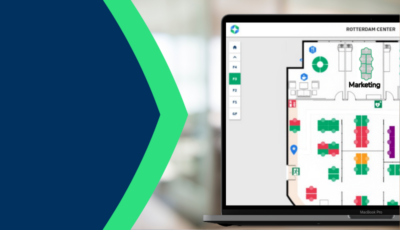
- Intuitive desk and room booking systems that integrate seamlessly with Microsoft Teams, Outlook, and Google Workspace
- Real-time occupancy sensors that provide accurate space availability data and eliminate booking conflicts
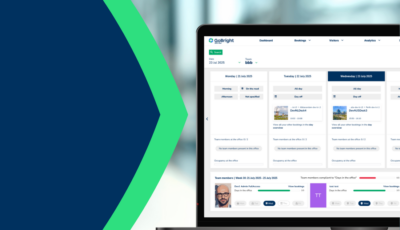
- Comprehensive analytics dashboards that track adoption metrics and identify optimization opportunities
- Mobile-first design that enables employees to manage workspace needs from any device
- Customizable onboarding programs that ensure smooth technology transitions
- 24/7 support services that address technical issues and user questions promptly
Ready to transform your workplace technology adoption rates? Contact GoBright today to schedule a personalized demonstration and discover how our smart office solutions can drive meaningful employee engagement and measurable productivity improvements in your organization.