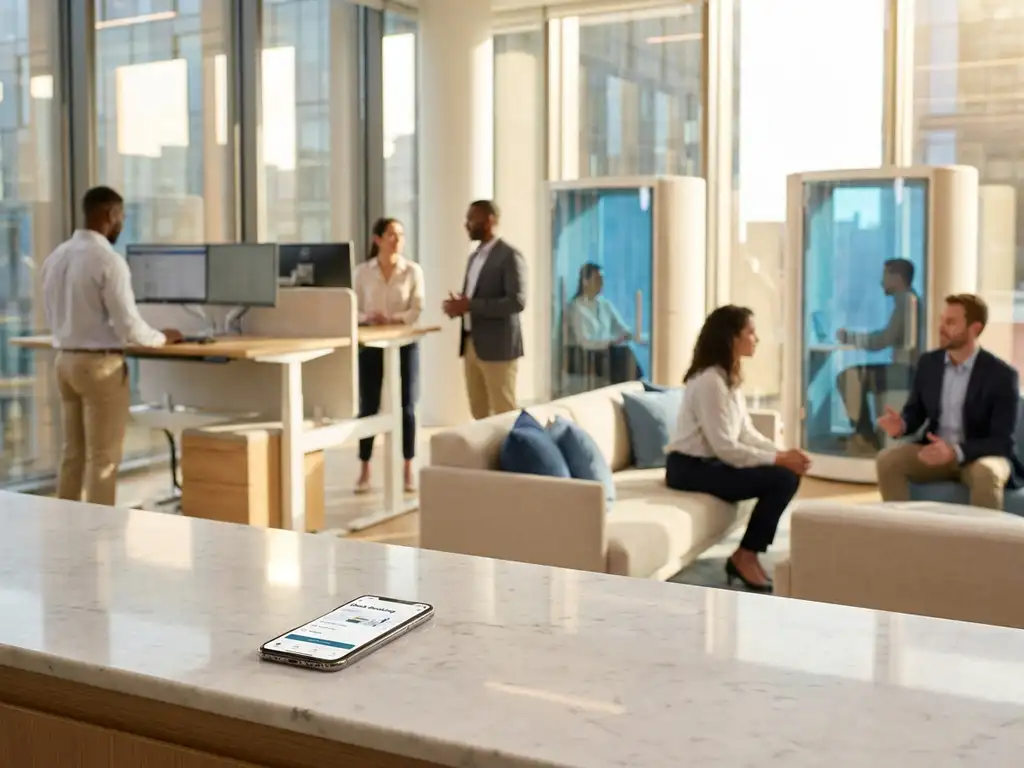
Activity-based working (ABW) is a workplace strategy that eliminates assigned desks and creates diverse workspace zones designed for specific activities like focused work, collaboration, or phone calls. Employees choose different areas throughout the day based on their tasks, supported by desk booking systems that help them locate and reserve appropriate spaces. This approach maximizes space efficiency while giving workers the flexibility to work where they’re most productive.
Why is outdated office design killing your team’s productivity?
Traditional offices with assigned desks force employees into one-size-fits-all environments that rarely match their actual work needs. When someone needs deep focus but sits in a noisy open area, or needs collaboration space but remains trapped at their individual desk, productivity plummets. Studies show workers spend up to 21 minutes refocusing after each interruption, yet most offices provide no escape from constant distractions. This mismatch between workspace design and work reality costs organizations through decreased output, employee frustration, and higher turnover rates. The solution lies in creating diverse workspace zones that employees can choose based on their immediate task requirements, supported by [smart office](https://gobright.com/solutions/smart-office/) technology that makes finding the right space effortless.
How is poor space utilization draining your real estate budget?
Most traditional offices operate at only 60-70% occupancy, meaning companies pay premium real estate costs for empty desks every single day. With hybrid work models, this inefficiency has become even more pronounced as employees work from home several days per week, leaving expensive office space completely unused. The financial impact is staggering when you consider that real estate typically represents the second-largest expense after salaries. Activity-based working combined with intelligent desk booking systems transforms this waste into opportunity by enabling organizations to reduce their physical footprint while improving the employee experience. Smart occupancy data reveals true space needs, allowing facilities teams to optimize layouts and potentially reduce real estate costs by 20-30%.
What is activity-based working and why is it important?
Activity-based working represents a fundamental shift from traditional assigned seating to a flexible workplace model where employees choose their workspace based on the specific activity they need to perform. Rather than sitting at the same desk regardless of whether they’re making phone calls, collaborating with teammates, or needing deep focus, workers move between purpose-built zones designed to support different types of work.
This approach recognizes that modern knowledge work involves diverse activities throughout the day, each with unique environmental requirements. A brainstorming session needs open, collaborative space with writable surfaces, while data analysis requires quiet, distraction-free environments with multiple monitors. Activity-based working creates these specialized zones and empowers employees to select the most appropriate setting for their immediate needs.
The importance of ABW extends beyond simple flexibility. Organizations implementing this model typically see improved employee satisfaction, better space utilization, and enhanced collaboration. When workers can choose environments that match their tasks, they experience less stress and greater productivity. Meanwhile, companies optimize their real estate investments by ensuring spaces are actively used rather than sitting empty.
How does desk booking support activity-based working?
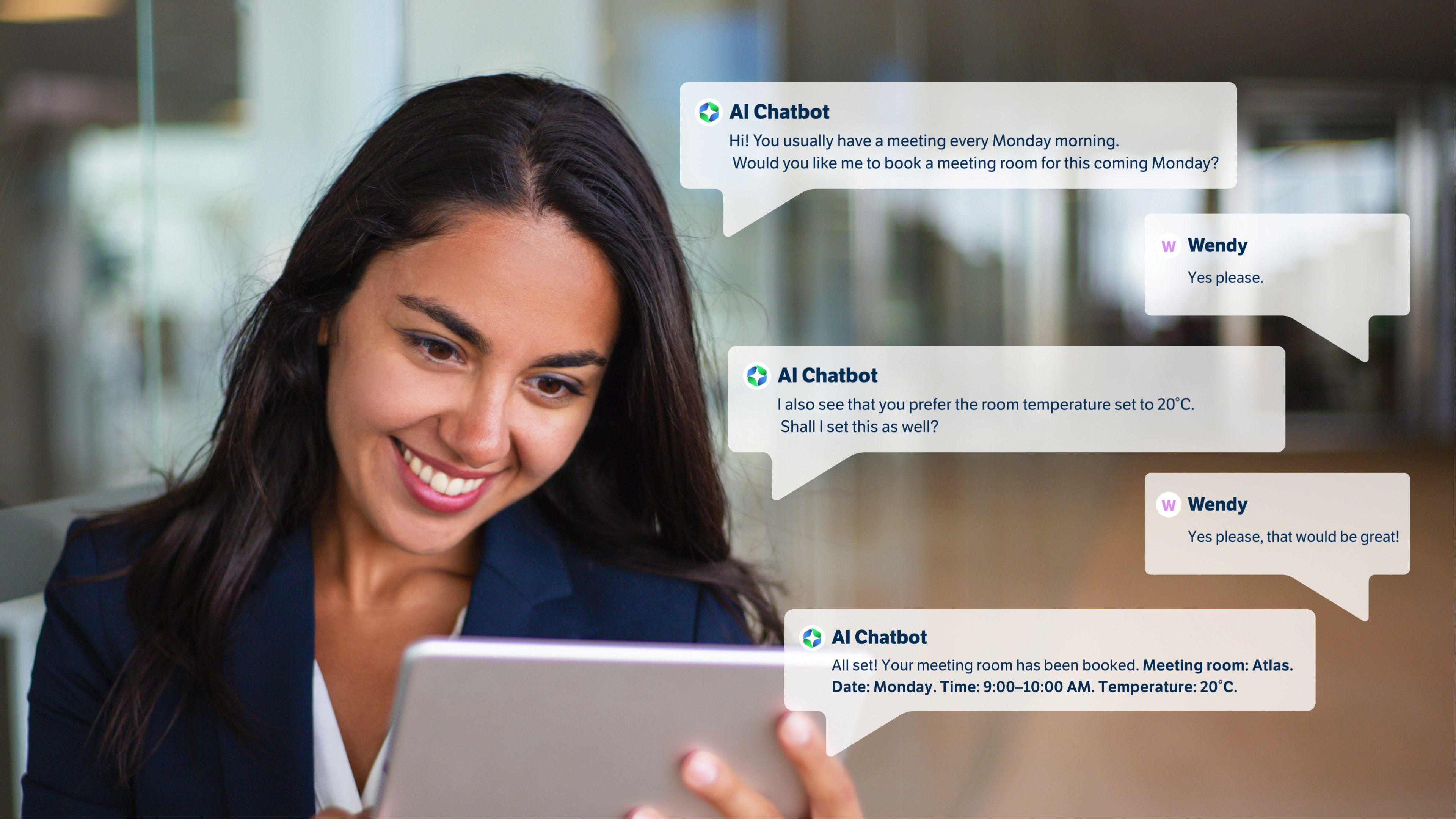
Desk booking technology serves as the operational backbone that makes activity-based working practical and efficient. Without a systematic way to locate and reserve appropriate workspaces, ABW environments can quickly become chaotic, with employees wandering the office searching for available spots or suitable zones for their activities.
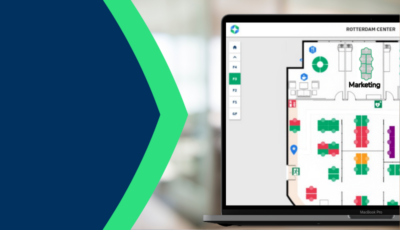
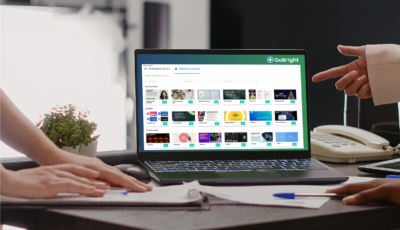
Smart desk booking platforms like our [products](https://gobright.com/products/) provide real-time visibility into workspace availability across different zones. Employees can view floor plans, see which areas support their specific needs, and reserve spaces in advance through mobile apps or desktop portals. The system integrates seamlessly with existing tools like Microsoft Teams and Google Workspace, allowing workers to book desks directly from their familiar calendar interfaces.
Advanced booking features enhance the ABW experience further. Our platform supports desk type filtering, enabling employees to search specifically for sit-stand desks, quiet zones, or collaborative areas. Personal preferences can be saved, streamlining future bookings. The Week Planner feature helps teams coordinate their office presence, ensuring colleagues can work together when needed while maintaining individual flexibility.
Hardware integration amplifies these benefits. Devices like our Interact touchscreen panels allow on-the-spot booking and check-ins, while occupancy sensors provide accurate real-time status updates. The Glow visual indicator system helps employees quickly locate their reserved desks, reducing time spent searching and improving overall workplace flow.
What are the different types of workspaces in activity-based offices?
Activity-based working environments typically feature four to six distinct workspace types, each optimized for specific work modes and activities. Understanding these zones helps organizations design effective ABW layouts and helps employees choose appropriate spaces throughout their workday.
Focus zones provide quiet, distraction-free environments for individual deep work. These areas feature acoustic treatments, comfortable seating, and minimal visual distractions. Desk booking systems can filter for these spaces when employees need uninterrupted concentration time.
Collaboration areas support team meetings, brainstorming sessions, and project work. These spaces include writable surfaces, flexible furniture arrangements, and technology for sharing content. Some feature booth-style seating for small group discussions, while others offer larger tables for team workshops.
Social zones encourage informal interactions and casual meetings. These areas typically feature comfortable lounge furniture, coffee stations, and relaxed atmospheres that promote spontaneous conversations and relationship building among colleagues.
Phone booths and privacy pods provide enclosed spaces for confidential calls, video meetings, or tasks requiring verbal communication without disturbing others. These compact spaces are essential in open office environments.
Learning and development areas support training sessions, presentations, and knowledge sharing activities. These spaces feature presentation technology, flexible seating arrangements, and acoustic design suitable for group learning.
Touchdown spaces offer quick-access workstations for brief tasks, checking emails, or short meetings. These areas provide basic computing resources without the commitment of full desk reservations.
What challenges does activity-based working solve?
Activity-based working addresses several critical workplace challenges that have intensified with evolving work patterns and employee expectations. The most significant issue it solves is the mismatch between static office design and dynamic work requirements.
Traditional assigned seating creates inefficient space utilization, particularly in hybrid work environments where employees split time between home and office. ABW maximizes space efficiency by ensuring desks and areas are actively used rather than sitting empty. Organizations can accommodate the same number of employees in smaller footprints or house more workers in existing spaces.
Employee well-being improves dramatically when workers can choose environments that support their immediate needs. Rather than enduring noisy distractions during focused work or struggling to collaborate in isolated cubicles, employees move to appropriate zones. This autonomy reduces stress and increases job satisfaction.
ABW also solves collaboration challenges by creating dedicated spaces designed for teamwork. When teams need to work together, they can book adjacent desks or collaborative zones, fostering better communication and project outcomes.
The model addresses cost management concerns by optimizing real estate investments. Detailed occupancy analytics from desk booking systems reveal actual space usage patterns, enabling data-driven decisions about office layouts and sizing. Organizations can identify underutilized areas and repurpose them for high-demand activities.
Finally, ABW supports talent attraction and retention by offering the workplace flexibility that modern employees expect. Organizations with flexible, technology-enabled work environments often see improved recruitment success and lower turnover rates.
How do you implement activity-based working successfully?
Successful ABW implementation requires careful planning, change management, and the right technology infrastructure. The process begins with understanding current space usage patterns and employee work styles through surveys, observations, and occupancy data analysis.
Technology selection forms the foundation of effective ABW. A comprehensive desk booking platform provides the operational framework that makes flexible working practical. Our team of experts has developed unified platform approaches that centralize all booking functions while integrating with existing tools like Microsoft Teams and Google Workspace. These [integrations](https://gobright.com/integrations/) ensure adoption by meeting employees where they already work.
Space design should reflect the specific activities your workforce performs. Conduct activity mapping exercises to understand what types of work happen throughout typical days, then design zones that support these activities. Include appropriate ratios of focus, collaboration, social, and specialized spaces based on your organizational needs.
Change management is crucial for ABW success. Employees accustomed to assigned desks may initially resist the transition. Provide clear communication about benefits, comprehensive training on booking systems, and support during the adjustment period. Highlight how ABW improves their daily work experience rather than simply reducing costs.
Hardware deployment should prioritize user experience and reliability. Interactive devices like our Interact panels enable seamless booking and check-ins, while visual indicators such as the Glow system help employees navigate the space efficiently. Occupancy sensors provide accurate availability data while supporting usage analytics.
Continuous optimization ensures long-term success. Regular analysis of booking patterns, space utilization, and employee feedback reveals opportunities for improvement. Adjust zone configurations, booking policies, and technology features based on actual usage data and evolving organizational needs. For organizations ready to transform their workplace experience, [contact us](https://gobright.com/contact-gobright/) to discuss customized ABW solutions that meet your specific requirements.
How GoBright helps with activity-based working
GoBright provides the complete technology foundation that makes activity-based working seamless and effective for organizations of all sizes. Our comprehensive platform transforms the complex challenge of managing flexible workspaces into an intuitive, data-driven solution that employees love to use.
Our integrated approach delivers tangible benefits across your entire ABW implementation:
• Real-time space visibility: Employees instantly see available desks and zones through mobile apps, web portals, and interactive displays, eliminating the frustration of searching for appropriate workspace
• Intelligent booking system: Advanced filtering allows workers to find spaces that match their specific needs—quiet zones for focus work, collaborative areas for team projects, or phone booths for private calls
• Seamless integrations: Direct booking from Microsoft Teams, Outlook, and Google Workspace means employees use familiar tools without learning new systems
• Smart hardware ecosystem: Our Interact touchscreen panels, Glow visual indicators, and occupancy sensors create a connected environment that guides employees effortlessly through their workspace journey
• Actionable analytics: Detailed occupancy data reveals actual space usage patterns, enabling facilities teams to optimize layouts and reduce real estate costs by up to 30%
• Scalable deployment: From pilot programs to enterprise-wide rollouts, our platform grows with your organization while maintaining consistent user experience
Ready to transform your workplace with activity-based working? [Contact our workspace experts](https://gobright.com/contact-gobright/) today to schedule a personalized demonstration and discover how GoBright can optimize your office environment for maximum productivity and employee satisfaction.