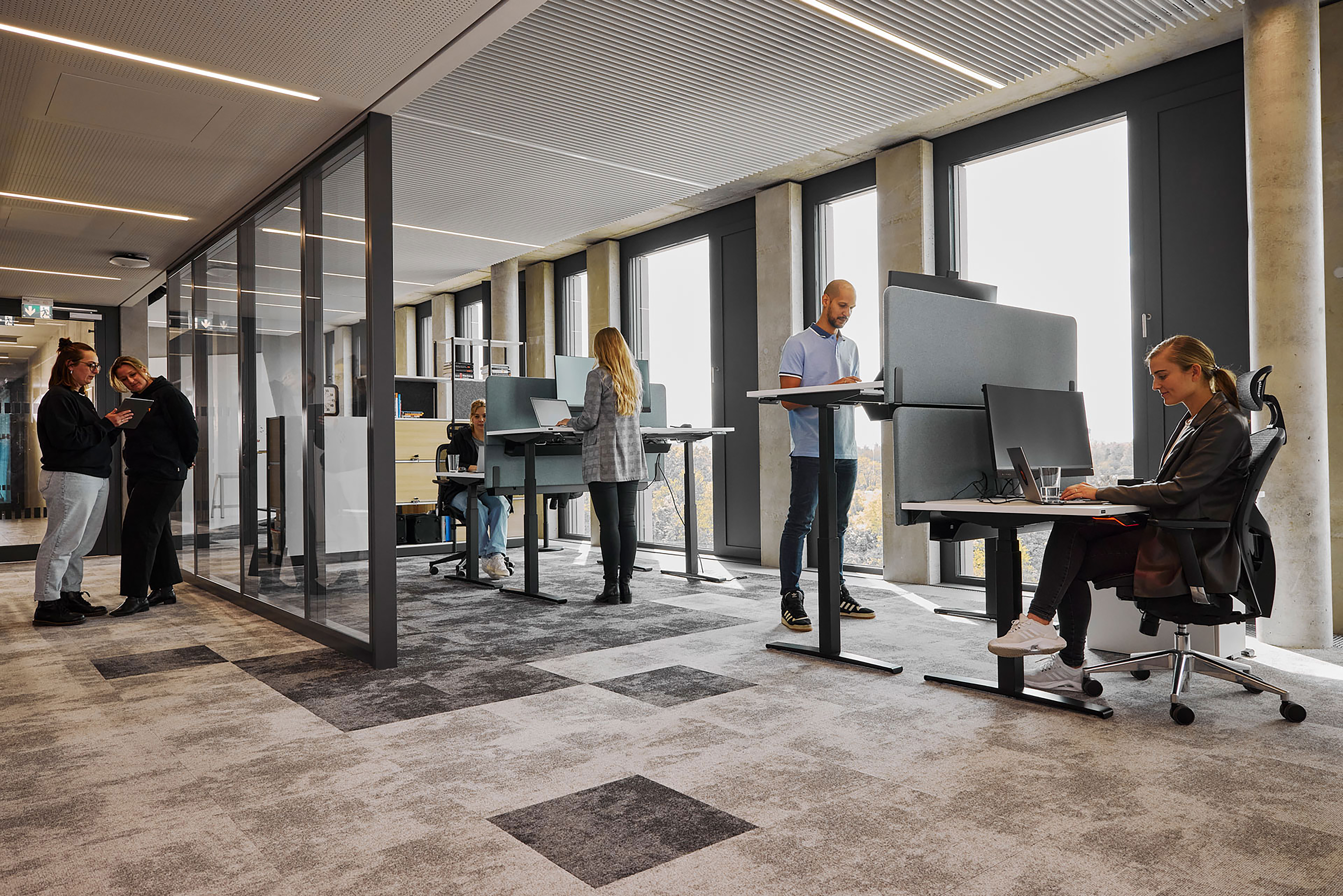
Recurring desk bookings create predictable workplace patterns that strengthen workplace culture by bringing teams together consistently. When employees book the same desks regularly, they establish reliable touchpoints for spontaneous collaboration, maintain team traditions, and build stronger relationships through face-to-face interactions in hybrid work environments.
What are recurring desk bookings and how do they work?
Recurring desk bookings are automated reservation patterns that allow employees to secure the same workspace on a regular schedule, such as every Tuesday and Thursday or during specific weeks each month. These systems automatically reserve desks based on predetermined patterns, eliminating the need for daily booking decisions.
Modern workplace management platforms handle these reservations through simple setup processes. Employees select their preferred desk and choose their recurring pattern once, then the system automatically books that space according to their schedule. The automation extends to linked services like parking spaces, visitor management, and meeting room preferences.
The beauty of recurring bookings lies in their flexibility. You can modify patterns as your hybrid work needs change, pause bookings during holiday periods, or swap desks with colleagues when circumstances require it. This creates a foundation of predictability while maintaining the adaptability that modern workforces need.
Why do consistent desk booking patterns matter for team culture?
Consistent booking patterns create predictable opportunities for team members to connect naturally throughout the workday. When colleagues know where and when their teammates will be in the office, they can plan informal conversations, seek quick advice, and maintain the spontaneous interactions that build strong working relationships.
Regular face-to-face contact strengthens team bonds in ways that video calls cannot replicate. Casual conversations by the coffee machine, quick desk-side consultations, and shared lunch breaks all contribute to workplace culture. These interactions become much more difficult when team members appear in the office randomly and without coordination.
Predictable presence also supports mentoring relationships and knowledge transfer. Senior team members can plan to be available when junior colleagues are in the office, creating consistent opportunities for guidance and skill development. This reliability helps maintain the cultural practices that make teams effective and cohesive.
How do recurring bookings help maintain workplace traditions and rituals?
Regular desk patterns support established workplace customs by ensuring the right people are present when traditions typically occur. Whether it is weekly team lunches, Friday afternoon celebrations, or monthly department meetings, consistent booking patterns help preserve these cultural touchpoints that strengthen organizational identity.
Many workplace rituals happen spontaneously when certain people are together. Informal brainstorming sessions, birthday celebrations, and project milestone acknowledgments all rely on having team members physically present. Recurring bookings make these moments more likely by creating predictable opportunities for organic interactions.
Teams often develop their own micro-traditions around specific workspaces or seating arrangements. When the same group consistently works in proximity, they create shared experiences and inside jokes that become part of their team identity. These small cultural elements contribute significantly to job satisfaction and team loyalty.
What challenges do random desk bookings create for workplace culture?
Unpredictable workspace presence disrupts team dynamics by making it difficult for colleagues to find each other and collaborate naturally. When team members book desks randomly, they miss opportunities for the spontaneous conversations and quick consultations that keep projects moving smoothly and relationships strong.
Random booking patterns create barriers to maintaining consistent cultural practices. Teams struggle to preserve their regular check-ins, collaborative work sessions, and informal traditions when they cannot predict who will be in the office on any given day. This unpredictability gradually erodes the shared experiences that bind teams together.
The lack of coordination also makes mentoring and knowledge sharing more challenging. Experienced team members find it harder to provide guidance and support when they cannot reliably connect with colleagues who need assistance. This affects both professional development and the transfer of institutional knowledge that keeps teams effective.
How can managers use recurring desk bookings to strengthen team connections?
Managers can encourage coordinated booking patterns by establishing team collaboration days when everyone commits to being in the office together. These designated days create concentrated opportunities for face-to-face interaction, team meetings, and the collaborative work that benefits from physical proximity.
Creating booking guidelines that align with team goals helps strengthen connections—for example, scheduling all team members to be present during key project phases or ensuring that mentors and mentees coordinate their office days. This strategic approach to desk booking supports both productivity and relationship building.
Managers can also use recurring booking patterns to facilitate knowledge sharing by pairing experienced team members with newer colleagues on the same office days. This creates natural opportunities for guidance and skill development while maintaining the flexibility that hybrid work requires.
The thoughtful use of recurring desk bookings transforms hybrid work from a series of individual decisions into a coordinated team strategy. When implemented well, these patterns preserve the collaborative benefits of office work while respecting the flexibility that modern employees value. Implementing a comprehensive smart office solution can help organizations coordinate these booking patterns effectively while maintaining the workplace culture that helps teams thrive.