Facility managers need comprehensive reporting from desk booking platforms that covers utilization rates, employee behavior patterns, occupancy trends, and cost optimization metrics. Essential reports include real-time desk availability, usage analytics showing peak times and popular areas, no-show tracking, and space efficiency measurements that directly support data-driven workplace decisions and budget justification.
Why are underutilized desks costing you more than just rent?
When your desk booking data shows consistently low utilization rates across certain areas, you’re not just paying for empty space. You’re absorbing the full cost of utilities, cleaning, maintenance, and climate control for workstations that generate zero productivity value. A facility manager recently discovered their company was spending over $15,000 annually on cleaning and utilities for a floor section with only 30% occupancy. The real cost multiplier comes from opportunity cost – that underused space could be converted to collaboration areas, wellness rooms, or storage that employees actually need. Smart desk booking analytics help you identify these dead zones quickly, enabling strategic space reallocation that transforms cost centers into value drivers for your smart office environment.
What does inconsistent check-in behavior signal about your workplace culture?
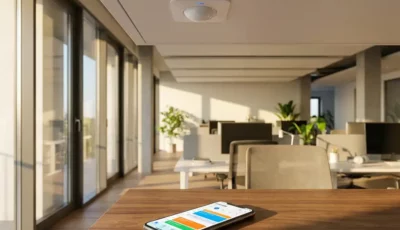
Low check-in rates and high no-show percentages in your desk booking reports often reveal deeper workplace engagement issues. When employees consistently book desks but don’t check in, it signals that they don’t see value in the system or feel disconnected from workplace policies. This behavior creates a cascade effect – other employees can’t find available desks because they appear booked, leading to frustration and reduced office attendance. The solution lies in combining automated occupancy sensors with user-friendly check-in processes. Modern products can detect actual desk usage and automatically release no-show bookings, while intuitive mobile apps and NFC check-in options make compliance effortless rather than burdensome.
What reporting features do facility managers need from desk booking platforms?
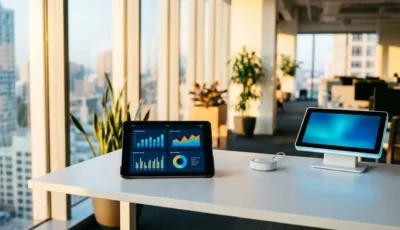
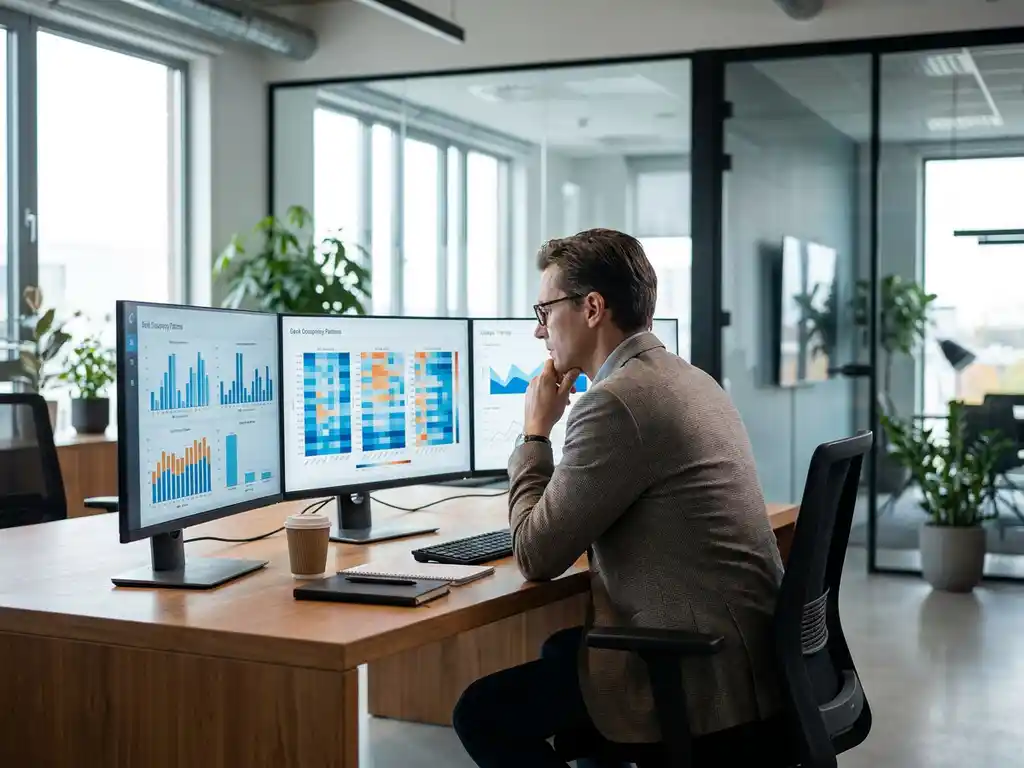
Facility managers require robust reporting capabilities that transform raw booking data into actionable workplace insights. Essential reporting features include real-time occupancy dashboards, utilization heat maps, and automated analytics that track desk usage patterns across different time periods. Advanced platforms provide customizable reports covering booking trends, peak usage times, space efficiency metrics, and employee preferences.
The most valuable reporting features include automated no-show tracking, which identifies desks that were booked but never occupied, and zone-based analytics that reveal which areas of the office are most and least popular. Integration capabilities with existing facility management systems ensure that desk booking data flows seamlessly into broader workplace analytics. Modern platforms also offer predictive reporting that forecasts future space needs based on historical usage patterns and seasonal trends.
Real-time reporting capabilities enable facility managers to monitor current desk availability, track maintenance requests submitted through the platform, and receive instant alerts about space utilization anomalies. These features support both strategic long-term planning and immediate operational decisions.
How does desk utilization reporting help facility managers optimize workspace?
Desk utilization reporting provides facility managers with concrete data to make informed decisions about space allocation and office layout optimization. By analyzing usage patterns, facility managers can identify underutilized areas that could be repurposed for collaboration spaces, wellness rooms, or storage. Utilization data also reveals peak demand periods, enabling better resource planning and space scheduling.
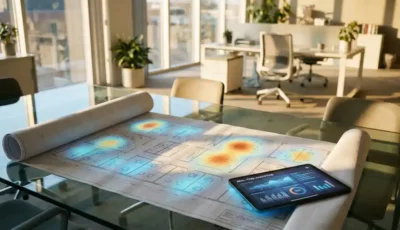
Heat map reporting shows which desk types and locations are most popular, guiding decisions about furniture placement and amenity distribution. For example, if data shows that sit-stand desks near windows have 90% utilization while standard desks in interior areas show only 40% usage, facility managers can redistribute ergonomic furniture to maximize employee satisfaction and space efficiency.
Occupancy sensors integrated with desk booking platforms provide accurate utilization data that goes beyond booking numbers to show actual desk usage. This technology helps facility managers understand the difference between booked and occupied spaces, enabling more precise capacity planning and reducing the impact of no-show bookings on space availability.
Long-term utilization trends support strategic real estate decisions, including lease negotiations, office expansion or consolidation plans, and budget allocation for workplace improvements. Data-driven insights help justify facility investments and demonstrate the ROI of workplace technology implementations.
What employee behavior insights can facility managers get from desk booking data?
Employee behavior analytics from desk booking platforms reveal valuable patterns about work preferences, collaboration needs, and space utilization habits. Facility managers can track which employees consistently book the same desk types, preferred locations, and booking lead times. This data helps identify whether employees prefer routine or variety in their workspace choices.
Booking timing patterns show whether employees plan their office visits in advance or make last-minute decisions, informing policies about booking windows and cancellation requirements. Team booking data reveals collaboration patterns and helps facility managers understand which departments work together frequently, supporting decisions about departmental seating arrangements and proximity planning.
Check-in and check-out behavior provides insights into actual work patterns versus scheduled presence. Facility managers can identify employees who consistently arrive late or leave early, which may indicate transportation challenges or work-life balance issues that could be addressed through policy adjustments or amenity improvements.
Preference data from desk booking platforms shows which amenities and desk features employees value most, such as monitor availability, proximity to quiet zones, or access to natural light. This information guides future furniture purchases and office layout decisions to better align with employee needs and preferences.
How do facility managers track return on investment with desk booking analytics?
ROI tracking through desk booking analytics focuses on quantifiable metrics that demonstrate cost savings and efficiency improvements. Facility managers can calculate space optimization savings by comparing pre and post-implementation utilization rates. For example, if desk booking data shows that implementing flexible seating increased utilization from 60% to 85%, managers can quantify the value of avoiding additional real estate costs.
Energy cost reduction represents another measurable ROI factor. Smart desk booking platforms integrated with power management systems can track energy usage per occupied desk, enabling facility managers to calculate savings from reduced heating, cooling, and lighting in unoccupied areas. Some platforms include power control features that automatically manage desk workstation power based on check-in status.
Maintenance cost optimization becomes visible through issue reporting features integrated with desk booking platforms. When employees can report maintenance issues directly through the booking system, facility managers can track response times, resolution rates, and maintenance costs per desk or zone. This data helps optimize maintenance schedules and identify recurring issues that may require capital improvements.
Employee productivity metrics, while harder to quantify directly, can be tracked through survey integration and usage pattern analysis. Increased booking satisfaction scores, reduced time spent searching for desks, and improved collaboration facilitated by team booking features all contribute to ROI calculations. Modern analytics platforms can correlate desk booking data with employee engagement surveys to demonstrate workplace satisfaction improvements.
What real-time reporting do facility managers need for daily operations?
Daily operational success depends on real-time reporting capabilities that provide immediate visibility into current space status and emerging issues. Facility managers need live occupancy dashboards that show current desk availability, check-in status, and usage patterns throughout the day. This enables quick responses to capacity issues and helps support employees who need immediate desk assignments.
Real-time maintenance alerts integrated with desk booking platforms allow facility managers to respond quickly to reported issues. When employees submit maintenance requests through the booking system, facility managers receive instant notifications with location details and issue descriptions, enabling faster resolution and minimizing disruption to other users.
Live utilization monitoring helps facility managers identify and address overcrowding in popular areas while directing employees to available spaces in underutilized zones. Real-time analytics can trigger automatic notifications when certain areas reach capacity thresholds, allowing proactive space management rather than reactive problem-solving.
Current booking trends and cancellation patterns provide facility managers with insights needed for immediate decision-making about space allocation, cleaning schedules, and resource deployment. Integration with building management systems enables coordinated responses to space usage changes, such as adjusting temperature controls in high-occupancy areas or scheduling additional cleaning for heavily used zones.
Emergency preparedness benefits from real-time occupancy reporting that shows exactly which desks are currently occupied and by whom. This information supports safety protocols and evacuation procedures while providing accurate headcount data for emergency responders.
How GoBright helps with comprehensive desk booking reporting
GoBright provides facility managers with the advanced reporting capabilities needed to transform workplace data into strategic insights. Our comprehensive desk booking platform delivers real-time analytics that address every aspect of space management:
• Real-time occupancy dashboards with live utilization tracking and instant availability updates
• Advanced heat mapping that reveals usage patterns and identifies optimization opportunities
• Automated no-show detection with smart release functionality to maximize space efficiency
• Integrated maintenance reporting that streamlines issue resolution and tracks response times
• Customizable analytics that provide both operational insights and strategic ROI metrics
• Seamless integration with existing facility management systems for unified workplace data
Ready to transform your facility management with data-driven insights? Contact GoBright today to discover how our comprehensive reporting solutions can optimize your workspace and reduce operational costs.