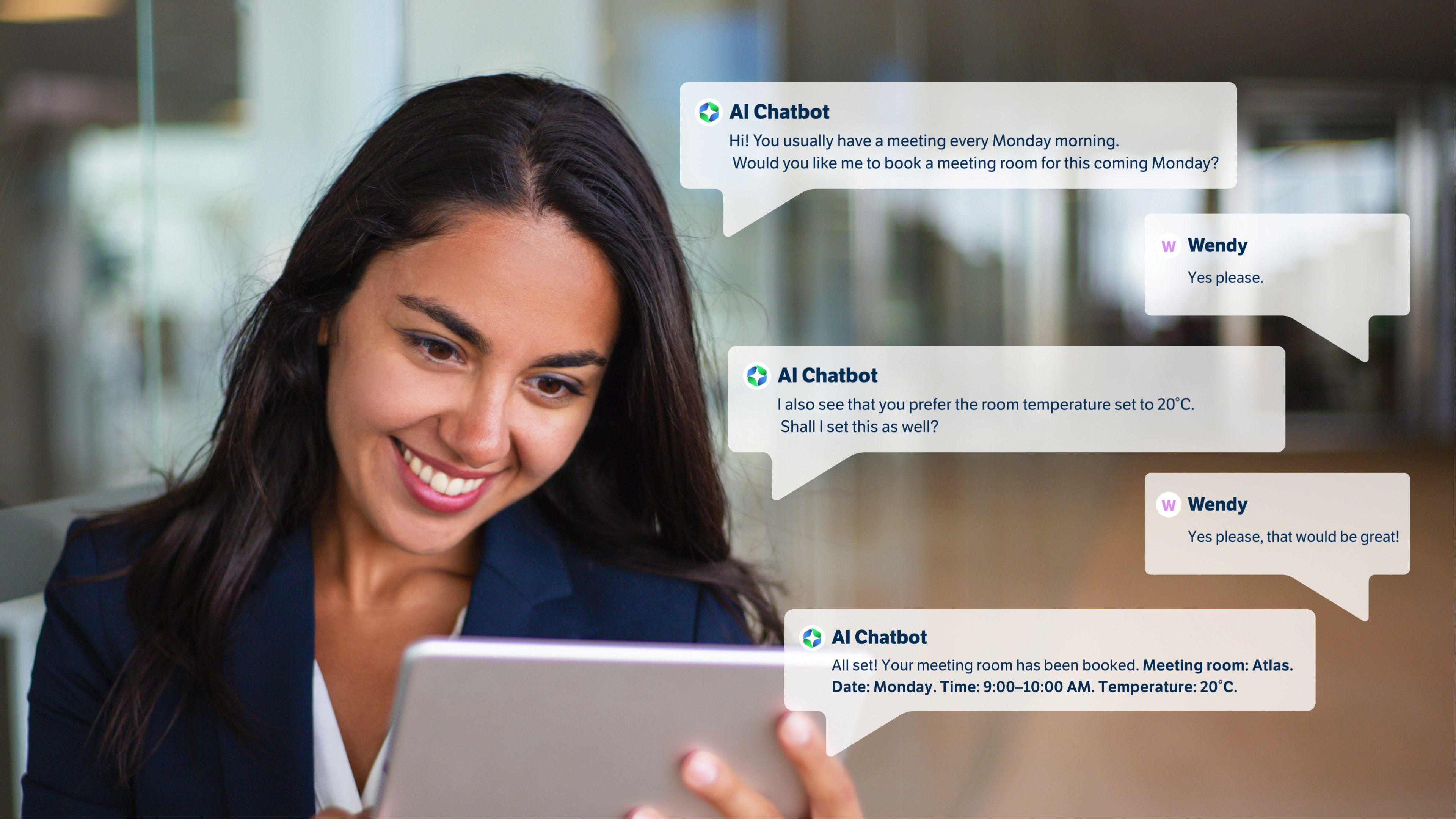
Meetings get cancelled. People join online instead. Plans change, but the room booking stays put; blocking a space that’s actually free. Most no-show solutions can spot this, but our data shows only around 1% of that released time ever gets rebooked. It’s spotted too late to be useful.
Early presence confirmation has already solved this for desks and parking, with rooms rebooked up to 20% more often once released early rather than left to a late no-show check. With this release, the same control extends to meeting rooms, plus two new options that give admins more flexibility across all three resource types.
How it works
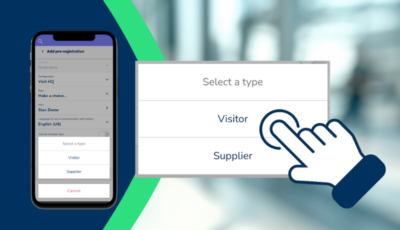
Before a booking starts, the organiser gets a notification asking them to confirm their attendance. For meeting rooms, the notification also shows any visitors and catering linked to the booking, so the organiser has the full picture before deciding.
From there, the organiser can:
- Confirm attendance: the booking stays exactly as it is.
- Decline: the space is released straight away, so someone else can book it.
- For integrated rooms only: switch to “online only”: the meeting itself is not deleted, but the room is removed from the booking and becomes available again.
If the organiser doesn’t respond in time, admins can now choose whether the booking is automatically deleted or kept as is. This option is available for rooms, desks and parking, giving admins one consistent way to manage all three.
Why it matters for you
- The numbers speak for themselves: rooms released through early presence confirmation get rebooked up to 20 times more often than those left to a standard no-show check; a straight jump from around 1% to 20% of freed time actually being reused.
- Facility managers get rooms back faster when meetings don’t go ahead, instead of a room sitting reserved and empty.
- Organisers stay in control: they decide in advance whether they still need the space, rather than losing the booking without warning or being locked into rules they can’t adjust.
- Employees looking for a room see genuine availability, not phantom bookings that were never going to happen.
- Admins now manage this behaviour the same way across rooms, desks and parking, rather than configuring it differently per resource.
It’s a good example of how we work at GoBright: we study how assets are actually used, then build features that cut waste and help people put those resources to better use.
Want to know more?
Check our out Support centre article or book a free expert consultation