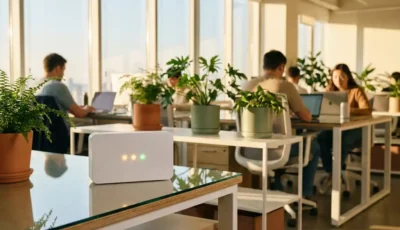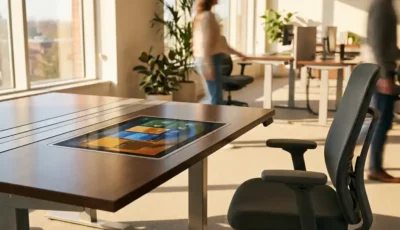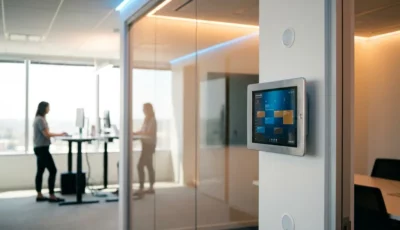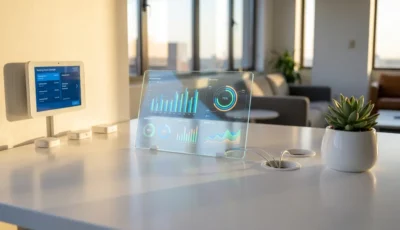
Desk booking systems significantly transform workplace culture by shifting how employees interact, collaborate, and feel about their work environment. These platforms replace traditional assigned seating with flexible workspace reservations, fundamentally changing team dynamics and creating more inclusive, collaborative office cultures. The impact extends beyond simple logistics to influence employee satisfaction, fairness, and workplace relationships.
What is workplace culture and why does desk booking matter?
Workplace culture encompasses the shared values, behaviours, and social dynamics that define how employees interact and work together. In modern hybrid offices, physical workspace choices directly shape these cultural elements by influencing daily interactions, collaboration patterns, and overall employee satisfaction.
Your office layout and seating arrangements send powerful messages about company values. Traditional assigned desks often create rigid hierarchies and territorial behaviours that can stifle collaboration. When employees feel ownership over specific spaces, it can lead to exclusivity and reduced cross-team interaction.
Desk booking fundamentally changes this dynamic by making workspace selection intentional rather than automatic. Employees must actively choose where to sit each day, which encourages them to consider whom they want to work near and what type of environment suits their daily tasks. This shift from passive to active workspace engagement directly influences how teams form, collaborate, and share knowledge.
The physical environment shapes behaviour more than most organisations realise. When employees can choose their workspace daily, they become more thoughtful about their work patterns and more respectful of shared resources. This intentionality creates a culture of planning and consideration that extends beyond desk selection to other workplace behaviours.
How does desk booking reduce workplace tension and conflicts?
Desk reservation systems eliminate common office frustrations, including seat disputes, territorial behaviour, and uncertainty about workspace availability. By providing clear booking processes and guaranteed workspace access, these systems remove the stress and conflict that often arise from unclear seating arrangements and competition for preferred spots.
Traditional offices frequently experience tension when employees find their usual spots occupied or when popular areas become sources of competition. These seemingly minor conflicts can create lasting workplace friction and affect team relationships. Desk booking removes this uncertainty by giving everyone an equal opportunity to reserve their preferred workspace.
The system also addresses the anxiety many employees feel about finding suitable workspace when arriving at the office. This is particularly relevant in hybrid work environments where office attendance varies daily. Knowing you have a confirmed desk eliminates the stress of potentially arriving to find no available workspace.
Territorial behaviour naturally decreases when no one has permanent ownership of specific desks. Employees become more willing to share resources and respect common areas when everyone operates under the same booking system. This creates a more harmonious environment where workspace is viewed as a shared resource rather than personal property.
What impact does flexible seating have on team collaboration?
Flexible seating through desk booking enables strategic workspace choices that facilitate project-based collaboration, cross-departmental interaction, and spontaneous knowledge sharing. Teams can coordinate their seating to work closely together during intensive project phases, then spread out when individual focus work is needed.
Project teams can book adjacent desks or collaborative zones when working on shared deliverables, creating natural opportunities for quick discussions and problem-solving. This flexibility allows teams to adapt their physical workspace to match their current work requirements rather than being constrained by permanent seating arrangements.
Cross-departmental collaboration improves when employees from different teams can easily sit near each other. Marketing team members can book desks near the sales team during campaign launches, or developers can sit with designers during product development phases. These temporary proximity arrangements often lead to valuable knowledge transfer and relationship-building through effective integrations between different departments.
Spontaneous interactions increase when seating arrangements change regularly. Employees encounter different colleagues in common areas and during their daily routines, creating opportunities for informal knowledge sharing and relationship-building that would not occur with fixed seating arrangements.
How do desk booking systems promote workplace inclusion and fairness?
Reservation systems create equal access to premium workspaces by giving all employees the same opportunity to book desirable locations. This eliminates hierarchical seating arrangements where seniority or politics determine who gets the best spots, ensuring fair access to resources like natural light, quiet zones, or collaborative areas.
Traditional seating often reflects organisational hierarchies, with senior employees claiming prime real estate while newer team members are relegated to less desirable areas. Desk booking democratises workspace access by making availability the only determining factor in securing preferred locations.
The system particularly benefits employees who might otherwise struggle to advocate for themselves in informal seating arrangements. Introverted team members or those new to the organisation can book quality workspace without having to navigate social dynamics or compete directly with more assertive colleagues.
Different work styles and needs receive equal consideration when everyone has access to various workspace types. Employees requiring quiet focus can book individual workstations, while those needing collaboration can reserve team areas. This flexibility acknowledges that different people work best in different environments and ensures everyone can access suitable workspace.
What workplace behaviours change when employees can choose their desks?
Employee behaviour shifts significantly when workspace becomes a daily choice rather than an assignment. People develop increased ownership of their workspace decisions, improve their planning and intentionality about office visits, and show enhanced respect for shared spaces and resources.
Planning becomes more intentional when employees must actively book their workspace. They consider their daily schedule, meetings, and collaboration needs before selecting a desk. This thoughtful approach often extends to other work planning, creating more organised and purposeful work habits.
Respect for shared resources increases when everyone operates under the same booking system. Employees are more likely to clean up after themselves, respect booking times, and maintain common areas when they understand that workspace is a shared resource that everyone depends on accessing fairly.
Office attendance patterns become more strategic as employees align their in-office days with specific work needs. They might come to the office when they need to collaborate with teammates or access specific equipment, rather than following arbitrary schedules. This leads to more purposeful office utilisation and better work-life integration.
Social dynamics improve as the stress and politics around seating arrangements disappear. Employees can focus on their work and relationships rather than worrying about workspace logistics or navigating territorial conflicts. This creates a more positive and productive work environment for everyone.
How GoBright helps with transforming workplace culture
GoBright provides comprehensive desk booking solutions that directly address the cultural challenges facing modern hybrid workplaces. Our platform creates the foundation for positive workplace transformation by eliminating seating conflicts, promoting fairness, and enabling strategic collaboration. Key benefits include:
• Intuitive booking interface that makes desk reservation simple for all employees
• Real-time availability tracking that prevents double bookings and reduces frustration
• Analytics dashboard that helps managers understand space utilisation and team patterns
• Integration capabilities that connect with existing workplace tools and calendars
• Flexible policies that allow organisations to customise booking rules to match their culture
• Mobile accessibility that enables employees to manage their workspace from anywhere
Ready to transform your workplace culture and create a more collaborative, inclusive office environment? Contact GoBright today to discover how our desk booking solutions can support your organisation’s unique cultural goals and hybrid work requirements.