Smart office transformation typically takes 3–6 months from initial planning to full deployment, though this varies significantly based on office size, existing infrastructure, and technology complexity. Smaller organisations might complete their transformation in 6–8 weeks, while large enterprises often require 6–12 months for comprehensive implementation. The timeline depends on factors such as stakeholder buy-in, integration requirements, and employee adoption strategies.
What factors determine how long smart office transformation takes?
Several key variables influence the duration of your smart office transformation project. Office size and complexity play the primary role, with larger spaces requiring more extensive planning, hardware installation, and testing phases.
Your existing infrastructure significantly impacts implementation speed. Organisations with modern network capabilities, sufficient Wi-Fi coverage, and Power over Ethernet (PoE) systems can deploy smart office solutions more rapidly. Those requiring infrastructure upgrades may need additional weeks for electrical work, network improvements, or security system integration.
Technology complexity affects timelines considerably. Basic desk booking and room scheduling systems deploy faster than comprehensive smart office ecosystems that include occupancy sensors, digital signage, visitor management, and parking coordination. The more integrated the solutions you choose, the longer the configuration and testing phases become.
Organisational readiness is equally important. Companies with clear change management processes, engaged leadership, and prepared IT teams move through transformation more efficiently. Integration requirements with existing systems such as Microsoft 365, Google Workspace, or facility management platforms can extend timelines if complex customisation is needed.
What are the typical phases of smart office implementation?
Smart office implementation typically follows a structured four-phase approach. The assessment and planning phase usually takes 2–4 weeks and involves space analysis, technology selection, and integration planning with your existing systems.
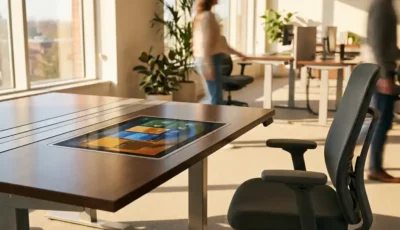
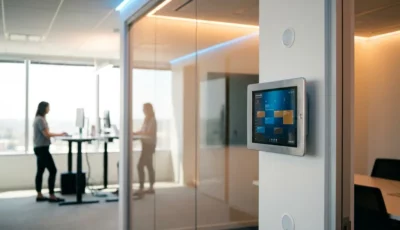
The design and configuration phase spans 3–6 weeks, during which your smart office infrastructure is mapped out. This includes determining hardware placement for devices such as interactive touchscreens, occupancy sensors, and LED status indicators. Network requirements, security protocols, and user access permissions are established during this stage.
Pilot testing represents a crucial 2–3 week phase in which solutions are deployed in limited areas. This allows you to test desk booking functionality, room scheduling integration, and visitor management workflows with a small group of users. Any technical issues or user experience concerns are addressed before full deployment.
Full deployment and optimisation can take 4–8 weeks, depending on office size. Hardware installation, software configuration, user training, and system fine-tuning take place during this final phase. Smart office scheduling, resource management, and workplace analytics begin delivering insights as employees adapt to the new digital workplace experience.
How long does it take to see results from smart office technology?
Most organisations begin experiencing benefits within the first 2–4 weeks of smart office deployment. Immediate wins include streamlined room booking, reduced scheduling conflicts, and improved visitor check-in experiences that enhance daily operations from day one.
Smart office productivity improvements become apparent within 4–6 weeks as employees adapt to desk booking systems, colleague location features, and flexible workspace management. Reduced time spent searching for available spaces and smoother collaboration through integrated scheduling create noticeable efficiency gains.
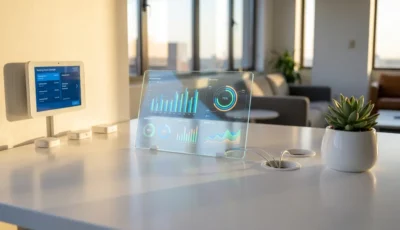
Meaningful smart office insights and analytics typically emerge after 6–8 weeks of operation. This timeframe allows sufficient data collection to identify occupancy patterns, space utilisation trends, and resource allocation opportunities. Facility managers gain valuable information for capacity planning and space optimisation decisions.
Long-term transformational outcomes develop over 3–6 months. These include significant improvements in space efficiency, reduced operational costs, enhanced employee satisfaction, and data-driven workplace strategies. Smart office monitoring and control systems provide comprehensive insights that support strategic planning and sustainability goals.
What can slow down or speed up your smart office transformation?
Several factors can significantly impact your transformation timeline. Stakeholder buy-in and change management represent the most critical acceleration factors, with engaged leadership and clear communication reducing resistance and speeding adoption.
Technical challenges often create the biggest bottlenecks. Insufficient network infrastructure, complex legacy system integrations, or security compliance requirements can extend timelines by several weeks. Organisations with modern IT foundations and standardised systems typically experience smoother, faster implementations.
Vendor selection and project management approach dramatically influence speed. Choosing the right products with proven integration capabilities, comprehensive hardware–software ecosystems, and dedicated implementation support accelerates deployment. Clear project timelines, regular communication, and dedicated internal resources help prevent delays.
Employee adoption strategies can either accelerate or hinder progress. Comprehensive training programmes, gradual rollouts, and responsive support systems encourage faster acceptance of smart office collaboration tools and digitisation. Poor communication or inadequate training can slow adoption and reduce the effectiveness of your smart office investment.
How GoBright helps with smart office transformation
GoBright provides a comprehensive solution that significantly reduces smart office transformation timelines while ensuring successful implementation. Our integrated approach addresses the key challenges organisations face during digital workplace transformation:
• Streamlined deployment: Pre-configured hardware and software solutions that integrate seamlessly with existing Microsoft 365, Google Workspace, and facility management systems
• Expert implementation support: Dedicated project managers who guide you through each phase, from initial assessment to full deployment and optimisation
• Proven integration capabilities: Ready-to-use connections with over 100 popular workplace platforms, eliminating complex customisation delays
• Comprehensive training and support: User adoption programmes and ongoing technical assistance that ensure smooth transitions and rapid employee acceptance
• Scalable solutions: Modular smart office components that can be deployed incrementally, allowing you to start small and expand based on results
Ready to accelerate your smart office transformation? Contact GoBright today to discover how our proven solutions can reduce your implementation timeline while delivering immediate productivity benefits and long-term workplace insights.