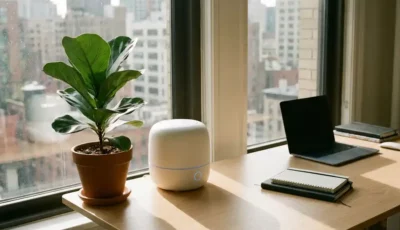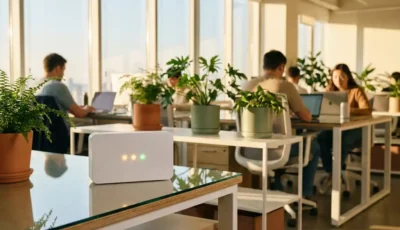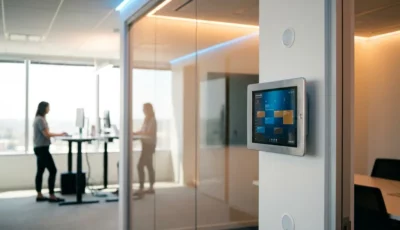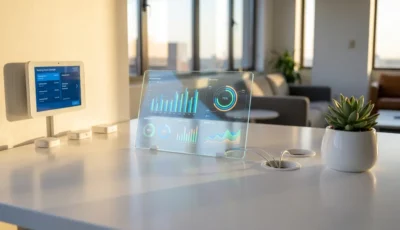
Biometric wellness sensors in smart offices are advanced monitoring devices that track environmental and physiological factors to optimise employee wellbeing in the workplace. These sensors integrate seamlessly with smart office technology platforms to create healthier, more productive work environments. They monitor air quality, lighting, temperature, and other wellness indicators while maintaining strict privacy standards and providing facility managers with actionable insights for workplace optimisation.
What are biometric wellness sensors and how do they fit into smart offices?
Biometric wellness sensors are sophisticated monitoring devices that measure environmental conditions and physiological indicators to support employee wellbeing in the workplace. These sensors form an integral part of smart office ecosystems by collecting real-time data about air quality, temperature, humidity, lighting levels, and noise to create optimal working conditions.
Within smart office environments, these sensors work alongside existing workplace management technology to provide comprehensive wellness monitoring. They integrate with products that manage desk booking, room reservations, and digital signage systems to create a holistic view of workplace health. The sensors communicate wirelessly with central management systems, often using Wi-Fi or Power-over-Ethernet connectivity options to ensure reliable data transmission.
Modern workplace management platforms incorporate sensor data to give facility managers insights into occupancy and usage patterns while simultaneously monitoring wellness factors. This dual functionality enables organisations to make informed decisions about space utilisation while prioritising employee health. The integration allows for automated responses, such as adjusting lighting when natural light levels change or triggering ventilation systems when air quality indicators suggest intervention is needed.
How do biometric sensors actually monitor employee wellness in the workplace?
Biometric wellness sensors monitor employee wellness through continuous environmental scanning and non-invasive physiological tracking methods. These devices use advanced sensor technology to measure air quality parameters including CO2 levels, volatile organic compounds, and particulate matter, while simultaneously tracking temperature, humidity, and lighting conditions that directly impact comfort and productivity.
The sensors employ various detection methods to gather wellness data. Air quality monitoring uses chemical sensors to detect pollutants and measure oxygen levels. Light sensors assess both artificial and natural illumination to ensure optimal visibility without causing eye strain. Temperature and humidity sensors work together to maintain comfortable atmospheric conditions. Some advanced systems incorporate sound level monitoring to track noise pollution that might affect concentration and stress levels.
Data collection occurs through real-time sampling, with sensors taking measurements at regular intervals throughout the day. The information is processed through algorithms that identify patterns and potential wellness concerns. Privacy protection is built into the system architecture, with data anonymisation occurring at the sensor level before transmission to central management systems. This ensures individual privacy while providing valuable aggregate insights about workplace conditions.
What types of wellness data can biometric sensors collect in smart offices?
Biometric wellness sensors collect comprehensive wellness metrics covering environmental factors, physiological indicators, and behavioural patterns. Smart office solutions typically monitor air quality parameters including CO2 concentration, humidity levels, temperature variations, lighting intensity, and noise levels to create detailed environmental profiles that directly impact employee comfort and productivity.
Environmental data collection includes precise measurements of indoor air quality through monitoring of volatile organic compounds, particulate matter, and oxygen levels. Temperature sensors track both ambient conditions and localised variations around workstations. Humidity monitoring ensures optimal moisture levels that prevent discomfort and potential health issues. Lighting sensors measure both natural and artificial illumination, tracking colour temperature and intensity throughout the day to support circadian rhythm regulation.
Physiological indicators are monitored indirectly through environmental correlations rather than direct body monitoring. Stress markers can be inferred from environmental conditions such as poor air quality or excessive noise levels. Activity levels are tracked through occupancy sensors that detect movement patterns and workspace utilisation. Some systems infer changes in heart rate variability from environmental factors that influence cardiovascular responses, such as temperature fluctuations or air quality changes.
Behavioural pattern data includes workspace usage analytics, movement patterns within the office, and time spent in different environmental conditions. This information helps identify wellness trends and enables proactive interventions to maintain optimal working conditions throughout the day.
How do privacy concerns get addressed with workplace biometric wellness sensors?
Privacy concerns with workplace biometric wellness sensors are addressed through comprehensive data protection measures including anonymisation techniques, strict access controls, and compliance with workplace privacy regulations. Smart office technology platforms implement privacy-by-design principles, ensuring individual employee data cannot be identified while still providing valuable aggregate wellness insights for facility management.
Data anonymisation occurs at multiple levels within the sensor network. Individual readings are aggregated and processed to remove personally identifiable information before storage or analysis. Employee consent processes are implemented transparently, with clear explanations of what data is collected, how it is used, and what privacy protections are in place. Many systems operate on an opt-in basis, allowing employees to participate voluntarily in wellness monitoring programmes.
Compliance with privacy regulations such as GDPR is maintained through secure data hosting, typically within European data centres for organisations prioritising data sovereignty. Access controls ensure only authorised facility managers and wellness coordinators can view aggregated data reports. Individual employee data is never accessible, with all reporting focused on departmental or building-wide trends rather than personal metrics.
Technical privacy protections include encrypted data transmission, secure storage protocols, and automatic data deletion policies. Sensor systems are designed to collect only necessary wellness-related information, avoiding any data that could be used for employee surveillance or performance monitoring. Regular privacy audits and compliance reviews ensure ongoing protection of employee rights while maintaining the benefits of workplace wellness monitoring.
How GoBright helps with biometric wellness monitoring
GoBright provides comprehensive smart office solutions that seamlessly integrate biometric wellness sensors into your existing workplace management system. Our platform enables you to:
• Monitor environmental conditions including air quality, temperature, humidity, and lighting levels in real-time
• Integrate wellness data with desk booking, room management, and occupancy analytics for holistic workplace insights
• Maintain strict privacy compliance through anonymised data collection and GDPR-compliant European hosting
• Access actionable dashboards that help facility managers make data-driven decisions about workplace optimisation
• Automate responses to environmental changes through intelligent building management integrations
Transform your workplace into a healthier, more productive environment with GoBright’s integrated wellness monitoring solutions. Contact GoBright today to discover how our comprehensive integrations can support your employee wellness goals while maintaining the highest privacy standards.