Noise management systems improve workplace mental health by reducing stress-inducing sounds, creating acoustic zones for different activities, and providing employees with control over their sound environment. These systems include sound masking technology, smart monitoring tools, and adaptive solutions that support both focused work and collaboration. Effective noise management leads to reduced anxiety, improved concentration, and better overall employee well-being in the workplace.
What is workplace noise doing to employee mental health?
Excessive workplace noise creates chronic stress responses that directly impact mental health through elevated cortisol levels, disrupted concentration, and cognitive overload. Open office environments and activity-based working spaces often generate noise levels that trigger anxiety and reduce employees’ ability to focus on complex tasks.
The psychological impact of workplace noise extends beyond simple distraction. When employees cannot control their acoustic environment, they experience a sense of helplessness that compounds stress levels throughout the workday. This constant state of alertness drains mental energy and reduces the cognitive resources available for decision-making and creative problem-solving.
Intermittent noise proves particularly damaging to mental health because it prevents the brain from adapting to consistent background sounds. Phone conversations, printer sounds, and spontaneous discussions create unpredictable interruptions that force the mind to constantly refocus, leading to mental fatigue and irritability.
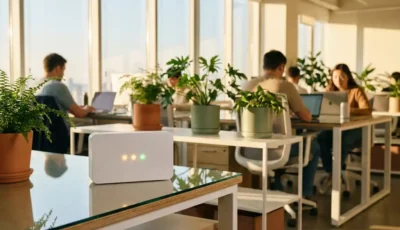
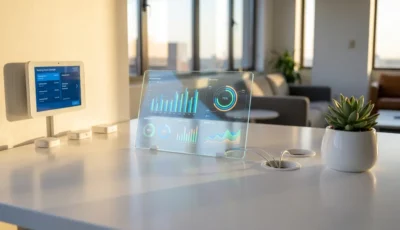
Smart office technology now includes sensors that monitor noise levels and provide real-time data about acoustic conditions. This information helps facility managers understand when and where noise becomes problematic for employee well-being, enabling targeted interventions that protect mental health.
How do noise management systems actually work to protect mental health?
Noise management systems protect mental health by creating predictable, controllable acoustic environments that reduce stress responses and support cognitive function. These systems combine sound masking, absorption materials, and smart monitoring to maintain optimal noise levels for different work activities.
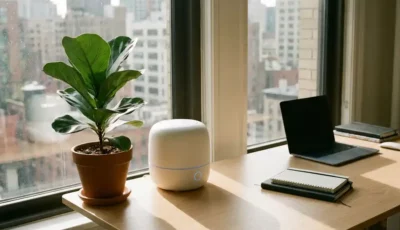
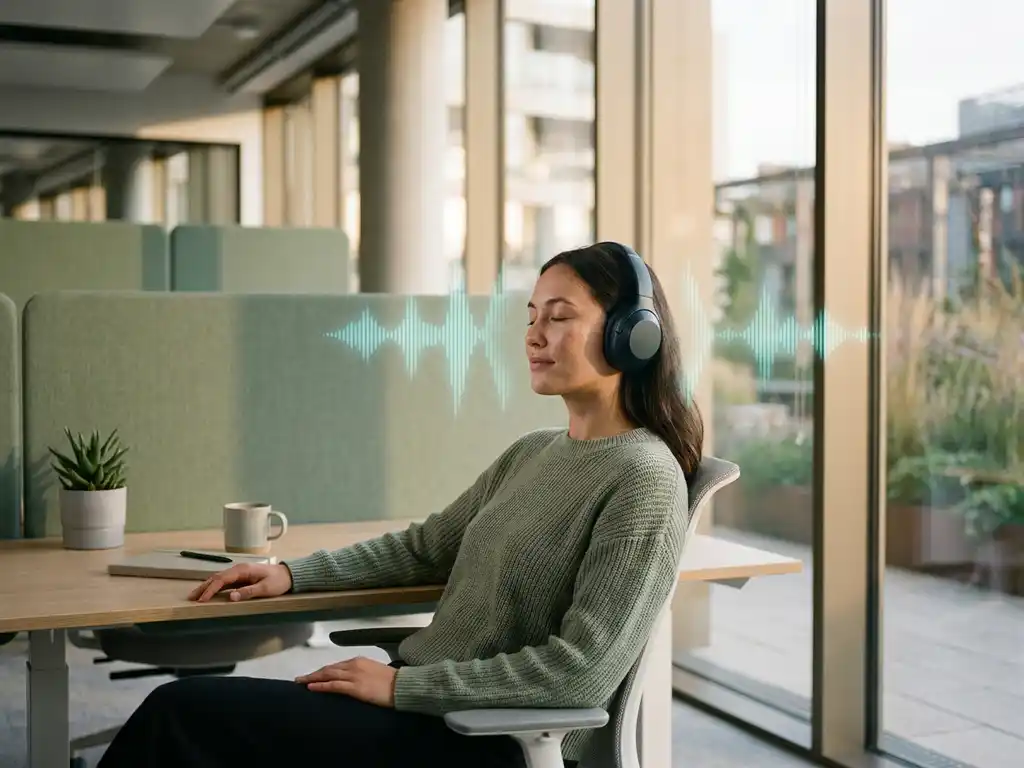
Sound masking technology generates consistent background noise that covers distracting sounds without creating additional stress. Unlike white noise machines, modern masking systems produce carefully calibrated frequencies that make speech less intelligible at a distance while maintaining a comfortable acoustic environment for nearby conversations.
Acoustic zoning represents another crucial component of noise management systems. These solutions create distinct sound environments for different activities, allowing collaborative spaces to accommodate discussion while protecting quiet areas for focused work. Physical barriers, ceiling treatments, and strategic furniture placement work together to contain sound within appropriate zones.
Smart monitoring systems track noise levels continuously and provide alerts when acoustic conditions exceed healthy thresholds. Smart office solutions integrate these monitoring capabilities with other workplace management tools, allowing facility managers to correlate noise data with productivity metrics and employee feedback.
Personal control features give employees options for managing their immediate acoustic environment. This might include noise-cancelling technology at individual workstations, adjustable sound masking levels, or mobile apps that allow workers to report noise issues and request interventions.
What are the most effective noise management solutions for hybrid workplaces?
The most effective noise management solutions for hybrid workplaces combine adaptive acoustic systems, flexible zoning strategies, and integrated technology that responds to changing occupancy patterns. These solutions accommodate both collaborative activities when teams gather and focused work when individuals need concentration.
Adaptive sound masking systems adjust automatically based on occupancy sensors and calendar integrations. When meeting rooms fill up or collaborative areas become active, the system increases masking levels in adjacent quiet zones to maintain acoustic separation. During low-occupancy periods, the system reduces energy consumption while maintaining baseline comfort levels.
Mobile acoustic solutions provide flexibility that traditional fixed installations cannot match. Portable sound barriers, adjustable privacy screens, and movable acoustic panels allow facility managers to reconfigure spaces based on daily needs and team activities.
Technology integration proves essential for hybrid workplace noise management. Systems that connect with room booking platforms, occupancy sensors, and employee apps create responsive acoustic environments that anticipate needs rather than simply reacting to problems.
Employee well-being in the workplace benefits significantly from noise management systems that include personal control features. Mobile apps allow remote and hybrid workers to preselect acoustic preferences for their in-office days, ensuring their workspace provides the sound environment they need for optimal mental health and productivity.
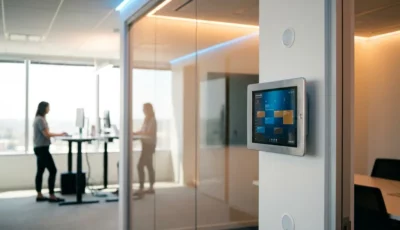
Real-time status indicators help employees choose appropriate workspaces based on current noise levels and planned activities. Visual displays show acoustic conditions in different zones, allowing workers to select locations that match their concentration needs and tolerance for ambient sound.
How can facility managers measure the mental health impact of noise management?
Facility managers can measure the mental health impact of noise management through employee wellness surveys, productivity metrics, acoustic monitoring data, and workplace utilization analytics. These measurement tools provide quantifiable evidence of how acoustic improvements affect stress levels, job satisfaction, and overall employee well-being.
Employee feedback systems should include specific questions about acoustic comfort, stress levels related to noise, and perceived control over their sound environment. Regular pulse surveys capture changes in employee sentiment following noise management interventions, while longer-term wellness assessments reveal sustained improvements in mental health indicators.
Productivity metrics offer indirect but valuable insights into the mental health benefits of noise management. Measurements include task completion rates, error frequency, and time spent in different workspace zones. Improved acoustic conditions typically correlate with increased focus time and reduced task-switching behavior.
Acoustic monitoring provides objective data about sound levels throughout the workplace. Modern systems track not just decibel levels but also sound quality metrics that relate directly to cognitive load and stress responses. This data helps facility managers identify problem areas and measure improvement following interventions.
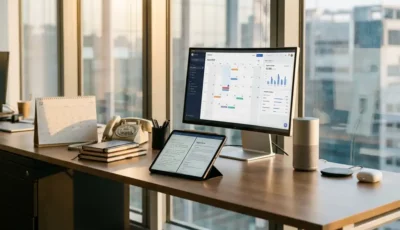
Workplace analytics platforms integrate noise data with other environmental and utilization metrics to provide comprehensive insights into employee experience. These systems can correlate acoustic conditions with space usage patterns, helping facility managers understand how noise affects workspace preferences and employee behavior.
Space utilization data reveals how employees respond to acoustic improvements through their workspace choices. Increased usage of previously avoided areas, longer stays in quiet zones, and more balanced distribution across different acoustic environments all indicate successful noise management implementation.
How GoBright helps with workplace noise management
GoBright provides comprehensive acoustic monitoring and environmental management solutions that transform how organizations approach workplace noise and employee mental health. Our integrated platform combines real-time noise monitoring with occupancy sensors and workplace analytics to create responsive acoustic environments that adapt to changing workplace needs.
Our solutions deliver measurable mental health benefits through:
- Smart acoustic monitoring – Real-time noise level tracking with automated alerts when sound exceeds healthy thresholds
- Integrated environmental controls – Seamless connection between noise data and building management systems for automatic adjustments
- Employee empowerment tools – Mobile apps that allow workers to check acoustic conditions and select optimal workspaces
- Data-driven insights – Comprehensive analytics that correlate noise levels with productivity metrics and employee well-being indicators
- Adaptive space management – Dynamic acoustic zoning that responds to occupancy patterns and scheduled activities
Ready to transform your workplace acoustic environment and protect employee mental health? Contact our experts today to discover how GoBright’s noise management solutions can create a healthier, more productive workplace for your team.