Smart office transformation involves a structured five-stage journey that modernises traditional workplaces through digital technologies, IoT devices, and data-driven solutions. Most organisations progress through assessment and planning, infrastructure preparation, technology implementation, integration and testing, and optimisation phases. The complete transformation typically takes 6–18 months, depending on organisational size, existing infrastructure, and scope of implementation.
What exactly is smart office transformation and why is it essential?
Smart office transformation is the systematic process of integrating digital technologies, IoT devices, and data-driven solutions into traditional workplace environments to create more efficient, flexible, and employee-centric spaces. This comprehensive approach encompasses everything from smart office scheduling systems and occupancy sensors to digital signage and automated environmental controls.
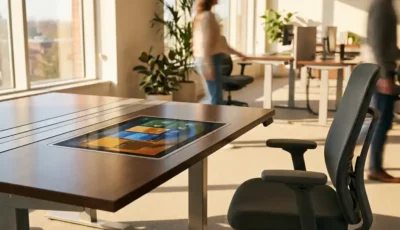
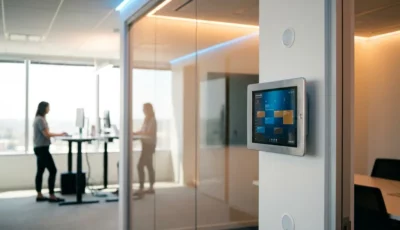
The transformation extends beyond simply adding technology. It fundamentally reimagines how employees interact with their workspace, enabling activity-based working, hot-desking, and hybrid work models that were impossible in traditional office setups. Modern smart office infrastructure includes touchscreen booking devices, real-time availability displays, and integrated platforms that connect room booking, desk reservation, visitor management, and parking allocation in a single ecosystem.
This transformation has become essential because organisations need to support increasingly flexible work patterns whilst maximising space utilisation and reducing operational costs. Traditional offices waste significant resources through unused meeting rooms, inefficient space allocation, and a lack of data-driven decision-making. Smart office digitisation provides facility managers with real-time insights into occupancy patterns, enabling them to optimise layouts, reduce energy consumption, and improve the overall employee experience.
The competitive advantage comes from creating workplaces that attract talent, boost productivity, and adapt quickly to changing business needs. Organisations that fail to modernise their workplace technology risk falling behind in employee satisfaction and operational efficiency.
What are the key stages every organization goes through during smart office transformation?
Smart office transformation follows five distinct stages: assessment and planning, infrastructure preparation, technology implementation, integration and testing, employee adoption and training, and optimisation and scaling. Each stage builds upon the previous one, creating a comprehensive smart office experience that transforms how people work.
The assessment and planning phase involves evaluating current workplace usage patterns, identifying pain points, and defining transformation objectives. This includes surveying employees about their workspace needs, analysing existing technology infrastructure, and establishing success metrics. Facility managers typically conduct space utilisation studies and assess integration requirements with existing systems such as Microsoft 365 or Google Workspace.
During infrastructure preparation, organisations upgrade network connectivity, install necessary cabling, and prepare power systems to support smart office monitoring devices. This stage often includes Wi‑Fi improvements and Power over Ethernet (PoE) installation to support various sensors and interactive devices without requiring additional power outlets.
The technology implementation stage involves installing hardware components such as occupancy sensors, interactive touchscreen devices for room and desk booking, and digital signage displays. This phase also includes deploying the central software platform that connects all smart office resources in a unified system.
Integration and testing ensures all components work seamlessly together and with existing business systems. This includes connecting calendar applications, access control systems, and other workplace tools to create smooth workflows for employees.
The final stages focus on employee adoption and training, followed by optimisation based on usage data. Success depends on comprehensive change management and continuous refinement based on real-world usage patterns and employee feedback.
How do you know when your organization is ready for smart office transformation?
Your organisation is ready for smart office transformation when you experience clear pain points in space management, have leadership commitment to change, and possess the basic technology infrastructure to support smart office control systems. Key readiness indicators include difficulty tracking space utilisation, employee complaints about finding available workspaces, and the need to support hybrid working models.
Strong readiness signals include having reliable network infrastructure, budget allocation for both technology and change management, and leadership understanding of the transformation’s strategic value. If your facility managers struggle to provide real-time insights into space usage or your organisation lacks data for strategic workplace planning, transformation becomes essential rather than optional.
Organisational culture plays a crucial role in readiness assessment. Companies with employees who embrace technology and adapt well to change typically experience smoother transformations. Conversely, organisations with strong resistance to new processes may need additional change management preparation before beginning technical implementation.
Budget considerations extend beyond initial technology costs to include training, ongoing support, and potential workflow disruptions during implementation. Ready organisations have realistic timelines and understand that smart office productivity improvements require sustained investment in both technology and people development.
Technical readiness indicators include existing integrations capabilities with platforms such as Microsoft Teams, Outlook, or Google Workspace, adequate network bandwidth for IoT devices, and IT team capacity to manage additional systems. If these foundations exist, your organisation can likely support the infrastructure requirements for comprehensive workplace transformation.
What are the biggest challenges organizations face during smart office transformation?
The most significant challenges during smart office transformation include employee resistance to change, integration complexities with existing systems, budget constraints, data security concerns, and managing daily operations during implementation. These obstacles can derail transformation efforts if not properly addressed through comprehensive planning and change management strategies.
Employee resistance often stems from fear of technology complexity or concerns about workplace monitoring. Many employees worry that smart office insights will be used for performance surveillance rather than workplace improvement. Successful transformations address these concerns through transparent communication about data usage and by demonstrating clear benefits such as easier workspace booking and improved environmental comfort.
Integration complexities arise when connecting new smart office collaboration tools with existing business systems. Legacy software, incompatible data formats, and security protocols can create significant technical hurdles. Organisations often underestimate the time and expertise required to achieve seamless integration across multiple platforms and devices.
Budget constraints frequently emerge during implementation as organisations discover additional requirements for network upgrades, staff training, or system customisation. Initial cost estimates rarely account for all transformation aspects, leading to difficult decisions about feature prioritisation or timeline extensions.
Data security and privacy concerns become paramount when implementing comprehensive workplace monitoring systems. Organisations must balance the need for detailed occupancy insights with employee privacy rights and regulatory compliance requirements. This challenge intensifies in industries with strict data protection regulations.
Vendor selection difficulties compound other challenges, particularly when choosing between comprehensive platforms and best-of-breed solutions. The decision between integrated systems that offer consistency and specialised products that excel in specific areas requires careful evaluation of long-term strategic needs.
How long does a complete smart office transformation typically take?
Complete smart office transformation typically takes 6–18 months for most organisations, with small companies often completing basic implementations in 3–6 months, whilst large enterprises may require 12–24 months for comprehensive rollouts. The timeline depends heavily on organisational size, existing infrastructure quality, scope of implementation, and change management approach.
Several factors significantly influence transformation duration. Organisations with modern network infrastructure and existing system integrations can move more quickly through technical implementation phases. Companies requiring extensive infrastructure upgrades, such as network improvements or power system modifications, face longer timelines but achieve more robust smart office future capabilities.
The scope of implementation dramatically affects duration. Basic room booking and desk reservation systems can be operational within 2–3 months, whilst comprehensive transformations including visitor management, parking allocation, digital signage, and advanced analytics require a minimum of 6–12 months. Organisations often choose phased approaches, implementing core functionality first and expanding capabilities over time.
Budget allocation patterns also influence timeline progression. Companies with adequate upfront investment can run multiple implementation phases in parallel, whilst those with limited budgets must sequence activities more carefully. This sequential approach extends overall timelines but reduces financial pressure and allows for learning from early phases.
Change management requirements often become the limiting factor in transformation speed. Technical installation might be completed quickly, but achieving full employee adoption and optimising workflows based on usage data requires sustained effort over many months. Successful transformations allocate significant time for training, feedback collection, and system refinement. For organisations considering this journey, it’s advisable to contact experienced providers to understand the specific requirements and timeline for your unique situation.
Some implementation phases can occur simultaneously, such as hardware installation and employee training preparation, whilst others must follow sequentially, particularly integration testing and optimisation activities. Understanding these dependencies helps organisations develop realistic project timelines and resource allocation plans. Many companies benefit from learning about proven transformation methodologies before beginning their smart office journey.
How GoBright helps with smart office transformation
GoBright provides a comprehensive solution for smart office transformation through an integrated platform that streamlines the entire journey from planning to optimisation. Our solution addresses the key challenges organisations face during workplace modernisation:
- Seamless integration with existing systems including Microsoft 365, Google Workspace, and major calendar applications
- Comprehensive hardware ecosystem featuring touchscreen booking devices, occupancy sensors, and digital signage displays
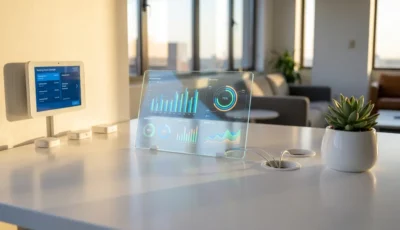
- Real-time analytics platform that provides actionable insights for space optimisation and cost reduction
- Unified management system covering room booking, desk reservation, visitor management, and parking allocation
- Proven implementation methodology that reduces transformation timelines and ensures successful adoption
- Ongoing support and training to maximise employee engagement and system utilisation
Ready to transform your workplace into a smart office that enhances productivity and employee satisfaction? Contact GoBright today to schedule a consultation and discover how our proven solutions can accelerate your smart office transformation journey.