Smart office transformation refers to the comprehensive integration of IoT devices, data analytics, and automation systems to create responsive, efficient work environments that adapt to user needs. This transformation enables organisations to support hybrid work models, improve employee experiences, and optimise space utilisation through intelligent technology solutions. Modern workplaces are embracing this shift to remain competitive and meet evolving workforce expectations.
What is smart office transformation and why is it essential for modern workplaces?
Smart office transformation is the process of integrating interconnected technologies, sensors, and data-driven systems to create intelligent work environments that respond dynamically to occupancy patterns and user preferences. This transformation combines smart office infrastructure with analytics platforms to deliver personalised experiences while maximising operational efficiency.
The essential nature of this transformation stems from fundamental shifts in how people work. Hybrid work models have become permanent fixtures rather than temporary arrangements, requiring workplaces to accommodate flexible scheduling and varying occupancy levels. Traditional fixed-desk environments simply cannot support the fluid nature of modern work patterns.
Smart office transformation addresses critical workplace challenges through intelligent resource allocation. When employees can book desks and meeting rooms through integrated platforms, organisations eliminate the frustration of searching for available spaces while gaining valuable insights into actual usage patterns. This data-driven approach enables facility managers to make informed decisions about space planning and resource investment.
The transformation also supports employee wellbeing and productivity through personalised workspace experiences. Smart office systems remember individual preferences for desk height, lighting, and temperature, creating environments that adapt to users rather than forcing them to adapt to static conditions. This personalisation contributes to higher satisfaction levels and improved work quality.
How does smart office technology actually change the way people work?
Smart office technology fundamentally alters daily work routines by replacing reactive space management with proactive, data-informed experiences. Employees transition from hoping to find suitable workspaces to confidently planning their office days through intelligent booking systems and real-time availability information.
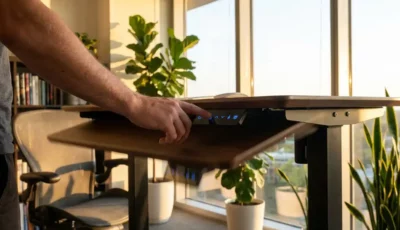
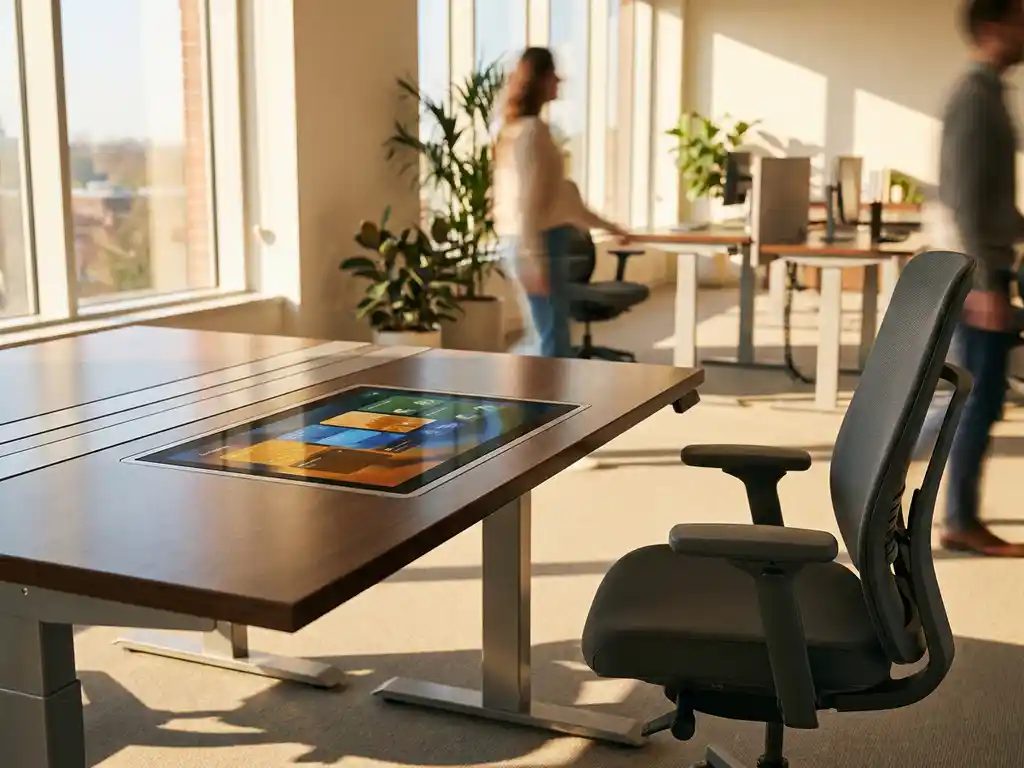
The most significant change occurs in workspace flexibility and personalisation. Through smart office scheduling systems, employees can reserve specific desks based on their planned activities, preferred locations, or proximity to colleagues. Interactive devices at workstations remember individual height preferences, automatically adjusting sit-stand desks upon check-in to create immediately comfortable working positions.
Meeting room utilisation becomes more efficient through sensor-driven occupancy monitoring and automated availability updates. When rooms remain unused after booking periods, systems can automatically release these spaces for others to use, eliminating the common frustration of reserved but empty meeting rooms.
Visitor management transforms from manual processes to streamlined digital experiences. Guests can pre-register through integrated calendar systems, receive personalised instructions and safety information, and check in through touchscreen devices that generate immediate access credentials. This automation reduces administrative burden while maintaining professional standards.
Environmental controls adapt to actual occupancy rather than predetermined schedules. Smart systems can adjust lighting, temperature, and ventilation based on real-time presence detection, creating more comfortable conditions while reducing energy consumption in unused areas.
What are the key components of a successful smart office transformation?
Successful smart office transformation requires five essential components working together as an integrated ecosystem: workspace management platforms, IoT sensors and devices, mobile applications, digital communication systems, and analytics dashboards that provide actionable insights for continuous optimisation.
The foundation lies in comprehensive workspace management platforms that centralise all booking, scheduling, and resource allocation functions. These platforms must integrate seamlessly with existing tools such as Microsoft 365, Google Workspace, and enterprise calendaring systems to ensure user adoption and workflow continuity.
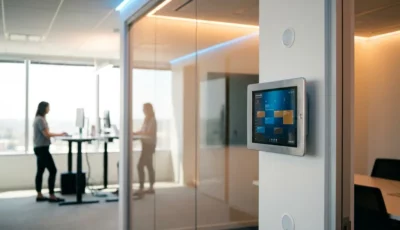
Smart office resources include interactive touchscreen devices positioned at desks and meeting rooms, providing real-time status updates, booking capabilities, and personalisation features. These products should support multiple connectivity options, including Wi-Fi and Power over Ethernet, to accommodate various installation requirements and ensure reliable performance.
Occupancy sensors form the intelligence layer, providing accurate data about actual space utilisation versus bookings. These sensors enable automated availability updates, support energy-efficient environmental controls, and generate the usage analytics necessary for strategic space-planning decisions.
Mobile applications serve as the primary user interface, enabling employees to plan their workdays, locate colleagues, book resources, and access building services from anywhere. The application must provide intuitive navigation and real-time information to support spontaneous workspace decisions.
Digital signage systems display dynamic information throughout the workplace, including wayfinding assistance, real-time availability updates, company communications, and emergency notifications. These displays should integrate with the central platform to show current data and support various content types.
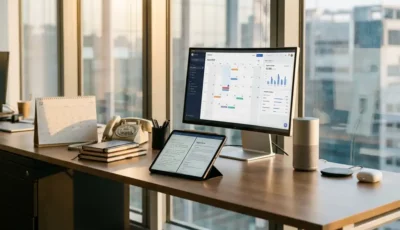
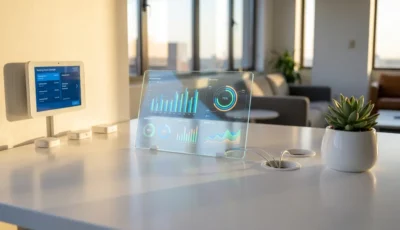
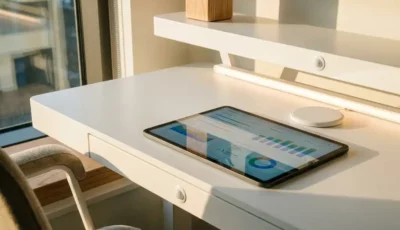
Analytics dashboards provide facility managers with comprehensive insights into space utilisation patterns, energy consumption, user satisfaction metrics, and operational efficiency indicators. These tools must present complex data in accessible formats that support both tactical and strategic decision-making.
How do you measure the success of smart office transformation initiatives?
Smart office transformation success is measured through quantifiable metrics, including space utilisation rates, employee satisfaction scores, operational cost reductions, and energy efficiency improvements. Effective measurement requires establishing baseline metrics before implementation and tracking changes across multiple dimensions over time.
Space utilisation metrics provide the most direct indicator of transformation effectiveness. Smart office monitoring systems track actual occupancy versus capacity, revealing whether desk and meeting room allocations align with real usage patterns. Successful implementations typically show improved utilisation rates and reduced instances of booked but unused spaces.
Employee satisfaction measurements focus on workplace experience quality, including ease of finding and booking spaces, workspace comfort levels, and overall productivity perceptions. Regular surveys and feedback collection help identify areas where technology enhances or hinders daily work experiences.
Operational efficiency gains manifest through reduced facility management workload, decreased energy consumption, and optimised cleaning and maintenance schedules based on actual usage data. These improvements often translate into measurable cost savings within months of implementation.
Energy efficiency metrics demonstrate environmental and financial benefits through reduced consumption in unused areas, optimised HVAC operations based on occupancy patterns, and automated power management for workspace equipment. Smart power control systems can eliminate standby energy consumption, delivering measurable savings per workspace annually.
Smart office insights from analytics platforms should reveal trends in workspace preferences, peak usage periods, and space allocation effectiveness. These insights enable continuous optimisation and inform future workplace strategy decisions, ensuring the transformation delivers ongoing value rather than one-time improvements.
How GoBright helps with smart office transformation
GoBright provides comprehensive smart office transformation solutions that address the complete spectrum of modern workplace challenges. Our integrated platform delivers concrete benefits that transform how organisations manage their spaces and support their employees:
• Complete workspace management – Centralised platform for desk booking, meeting room scheduling, and resource allocation with seamless integration to existing calendar systems
• Real-time occupancy insights – Advanced sensors and analytics that provide accurate space utilisation data to optimise layouts and reduce operational costs
• Personalised employee experiences – Interactive touchscreen devices that remember individual preferences and automatically adjust workspace settings
• Energy efficiency automation – Smart environmental controls that reduce consumption by up to 30% through occupancy-based lighting, heating, and cooling management
• Comprehensive analytics dashboard – Data-driven insights that enable strategic decision-making and continuous workplace optimisation
Ready to transform your workplace with intelligent technology that delivers measurable results? Contact our smart office specialists today to discover how GoBright can create a more efficient, sustainable, and employee-friendly work environment tailored to your organisation’s specific needs.