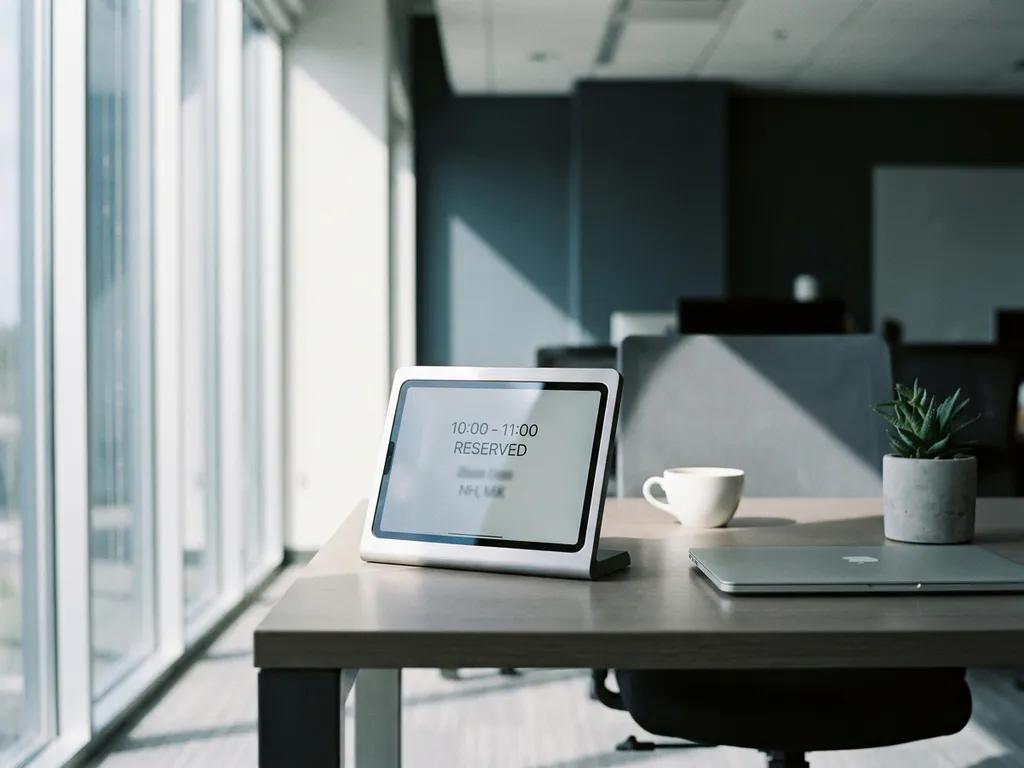
Anonymous workspace reservations allow employees to book desks and meeting rooms without revealing their identity to colleagues. This privacy-focused approach reduces workplace politics and social pressure while maintaining equal access to office resources. The system creates a more inclusive environment where booking decisions are based on practical needs rather than social dynamics or hierarchical considerations.
What exactly are anonymous workspace reservations and how do they work?
Anonymous workspace reservations are booking systems that hide employee identities when they reserve desks, meeting rooms, or other office spaces. Instead of showing “John Smith – Desk 15,” the system displays generic identifiers like “Reserved” or uses coded references that only administrators can decode.
The technical functionality operates through user authentication that separates booking permissions from identity display. Employees log into the system with their credentials to ensure proper access controls, but their names don’t appear on public booking displays or colleague-facing interfaces. This creates a layer of privacy between the booking action and public visibility.
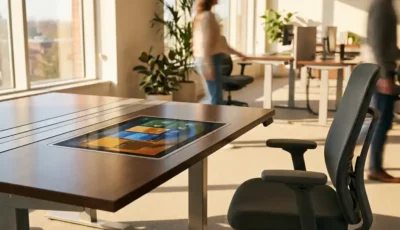
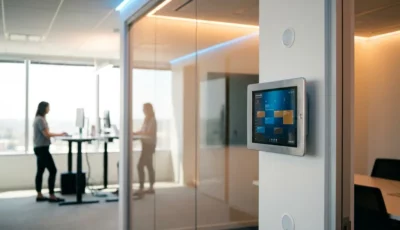
Traditional booking systems show full employee names, departments, and sometimes even meeting purposes on shared displays and booking platforms. Anonymous systems replace this information with neutral indicators while maintaining the same reservation functionality. You can still see which spaces are available or occupied, but you won’t know who’s using them.
The system maintains administrative oversight through backend reporting that links bookings to users for facility management purposes. This ensures accountability and proper usage tracking while preserving day-to-day privacy for employees making reservations.
Why do employees want privacy when booking office spaces?
Employees seek privacy in workspace bookings to avoid judgment about their work patterns, location preferences, and collaboration choices. Many feel uncomfortable when colleagues can see exactly where they sit, when they arrive, or how often they book certain types of spaces.
Workplace politics significantly influence booking behaviour when systems are transparent. Employees might avoid booking desks near certain colleagues, feel pressured to sit in specific areas based on hierarchy, or worry about appearing antisocial if they consistently choose isolated workspaces. These concerns create stress around what should be practical decisions.
Social pressure around desk choices affects many workers who prefer quiet areas, specific lighting conditions, or particular floor layouts. When bookings are visible, employees might feel compelled to justify their preferences or worry about colleagues questioning their choices. This pressure can lead to suboptimal workspace selections that reduce productivity and comfort.
Privacy also protects employees from scrutiny about their schedules and work patterns. Some people arrive early, others work late, and many have varying attendance patterns due to client meetings, personal appointments, or flexible work arrangements. Anonymous booking prevents colleagues from monitoring these patterns and making assumptions about work habits or commitment levels.
The psychological safety that comes with private booking decisions allows employees to focus on finding spaces that genuinely support their work rather than managing social perceptions. This leads to better workspace utilisation and improved individual performance.
How do anonymous reservations actually improve workplace culture?
Anonymous reservations improve workplace culture by reducing office politics and creating more equitable access to desirable spaces. When employees can’t see who’s booking which areas, competition and social hierarchies have less influence on workspace allocation, leading to fairer distribution based on actual availability rather than perceived entitlement.
The reduction in office politics occurs because employees can’t target specific individuals for their booking choices or create informal territorial claims over certain areas. This eliminates conversations about who “deserves” the best spots or complaints about colleagues who consistently book premium locations. The focus shifts from social dynamics to practical workspace needs.
Employee autonomy increases significantly when booking decisions become private matters. People feel more comfortable choosing spaces that suit their work style, personality, and daily requirements without external pressure or judgment. This autonomy leads to better workspace matches and improved job satisfaction.
Anonymous systems create more inclusive environments where all employees feel comfortable accessing available resources. Junior staff members might feel more confident booking meeting rooms or premium desk locations when they know senior colleagues won’t see their reservations. This equal access promotes a more democratic workplace culture.
The enhanced focus on work rather than social dynamics helps teams concentrate on productivity and collaboration quality instead of workspace politics. Energy that previously went into navigating booking-related social issues can be redirected toward meaningful work activities and professional relationships.
What challenges do anonymous booking systems create for teams?
Anonymous booking systems can make it difficult for team members to find each other for spontaneous collaboration and informal interactions. When you can’t see where colleagues are sitting, coordinating impromptu meetings or seeking quick advice becomes more challenging, potentially reducing team connectivity and communication flow.
The difficulty in locating colleagues affects both planned and unplanned interactions. Teams might struggle to sit together for project work, mentors may have trouble connecting with mentees, and managers could find it harder to provide in-person support when needed. This separation can impact relationship-building and knowledge sharing.
Reduced spontaneous interactions occur when employees can’t easily identify where their colleagues are working. The casual conversations, quick questions, and informal collaborations that often happen when people work near each other become less frequent. These interactions often contribute significantly to team bonding and creative problem-solving.
Team coordination challenges emerge when project groups need to work closely together but can’t easily book adjacent spaces or find each other in the office. This can slow down collaborative work and make team-based projects less efficient, particularly for activities that benefit from frequent face-to-face communication.
The balance between privacy and transparency becomes particularly important for mentoring relationships and management oversight. New employees might need more guidance and support, which becomes harder to provide when their location and attendance patterns aren’t visible to supervisors and mentors.
How can organisations balance anonymity with collaboration needs?
Organisations can balance anonymity with collaboration needs by implementing hybrid booking systems that offer both private and visible reservation options. Employees choose their preferred level of visibility based on their current work requirements, team projects, and personal comfort levels, maintaining flexibility while supporting different working styles.
Hybrid approaches allow employees to toggle between anonymous and visible booking modes depending on their daily needs. When working on team projects, they might choose visible bookings to help colleagues find them. For focused individual work, they can switch to anonymous mode to avoid interruptions and social pressure.
Designated collaboration zones can operate with full transparency while maintaining anonymity in individual workspace areas. Meeting rooms, project spaces, and team areas might show full booking details to support coordination, while individual desks and quiet work areas remain anonymous. This creates clear expectations for different space types.
Team-specific booking features enable groups to share location information among themselves while remaining anonymous to the broader organisation. Project teams can see each other’s bookings and coordinate seating arrangements without exposing this information to everyone in the office.
Communication tools that complement anonymous reservations help maintain team connectivity. Internal messaging systems, team calendars, and coordination platforms can facilitate collaboration without requiring visible workspace bookings. Teams can share their general location or availability through these channels when needed.
Optional visibility settings give employees control over their privacy levels. Some might choose to be visible to their immediate team but anonymous to other departments. Others might prefer full anonymity with the option to share location information on a case-by-case basis through direct communication.
How GoBright helps with anonymous workspace reservations
GoBright provides a comprehensive solution for implementing anonymous workspace reservations that balances privacy with collaboration needs. Our platform delivers the privacy and flexibility modern workplaces require while maintaining the administrative oversight necessary for effective facility management.
Key features include:
- Flexible privacy controls that allow employees to choose between anonymous and visible booking modes based on their daily needs
- Team-specific visibility settings enabling project groups to coordinate while remaining anonymous to the broader organisation
- Hybrid booking zones with full transparency for collaboration areas and privacy for individual workspaces
- Administrative reporting that maintains accountability and usage tracking while preserving employee privacy
- Integration capabilities that connect with existing workplace management platforms and communication tools
Ready to transform your workplace culture with anonymous booking solutions? Contact GoBright today to discover how our smart office technology can create a more inclusive, productive environment where every employee feels comfortable making the workspace choices that support their best work.
Anonymous workspace reservations represent a thoughtful approach to modern workplace culture that prioritises employee comfort and equality while acknowledging collaboration needs. The key lies in implementing flexible systems that support different work styles and team requirements. Many organisations explore products that offer these capabilities, while others benefit from integrations with existing workplace management platforms. When designed thoughtfully with input from experienced providers like about us at GoBright, these systems can enhance workplace culture by reducing politics and pressure while maintaining the human connections that make offices valuable. For organisations ready to implement these solutions, contact GoBright to discuss how anonymous booking can transform your workplace. Modern smart office solutions can help organisations find the right balance between privacy and collaboration that’s essential for creating workspaces where everyone can do their best work.