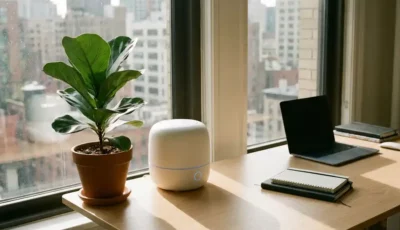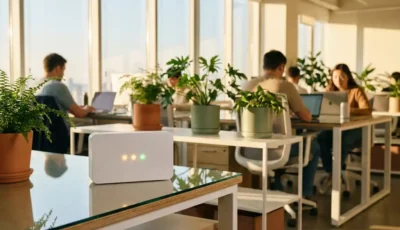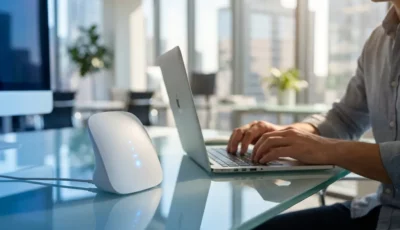
Smart office environments boost productivity and wellness by integrating connected technologies that create responsive, data-driven workspaces. These environments use IoT sensors, workplace analytics, and automated systems to eliminate daily workplace friction, optimise space utilisation, and support employee wellbeing through better environmental controls and flexible work options.
What exactly makes an office environment ‘smart’, and why does it matter?
A smart office environment combines IoT sensors, workplace analytics, and automated systems to create responsive workspaces that adapt to employee needs in real time. Unlike traditional static offices, smart environments collect and analyse data continuously to optimise everything from lighting and temperature to space allocation and resource availability.
The core technologies include occupancy sensors that track workspace usage, environmental monitoring systems that adjust air quality and lighting automatically, and integrated platforms that connect booking systems, digital signage, and mobile applications. These smart office solutions work together to create seamless experiences in which employees can locate colleagues, reserve appropriate workspaces, and access personalised environmental settings.
This transformation matters because it addresses fundamental workplace inefficiencies that drain productivity. Traditional offices often leave employees searching for available meeting rooms, struggling with uncomfortable environmental conditions, or wasting time on administrative tasks. Smart office technology eliminates these friction points by providing real-time information and automated responses to changing workplace needs.
The shift represents a move from reactive facility management to proactive workplace optimisation. Instead of responding to problems after they occur, smart environments anticipate needs and adjust automatically, creating conditions in which employees can focus entirely on their work rather than navigating workplace obstacles.
How do smart offices actually improve employee productivity?
Smart offices improve productivity by eliminating time-wasting activities and optimising resource allocation through automated systems that handle routine workplace tasks. Employees spend less time searching for available spaces, dealing with uncomfortable environmental conditions, or managing basic workplace logistics.
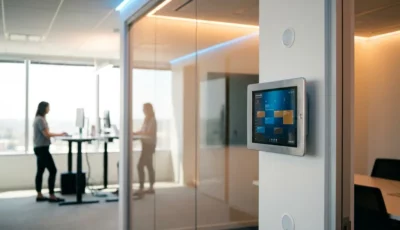
Space utilisation becomes dramatically more efficient with real-time booking systems that show instant availability across desks, meeting rooms, and collaboration areas. Interactive touchscreen devices allow immediate reservations and check-ins, while sensor data ensures accurate occupancy information, prevents double bookings, and reduces time spent searching for suitable workspaces.
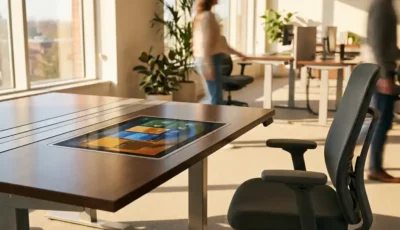
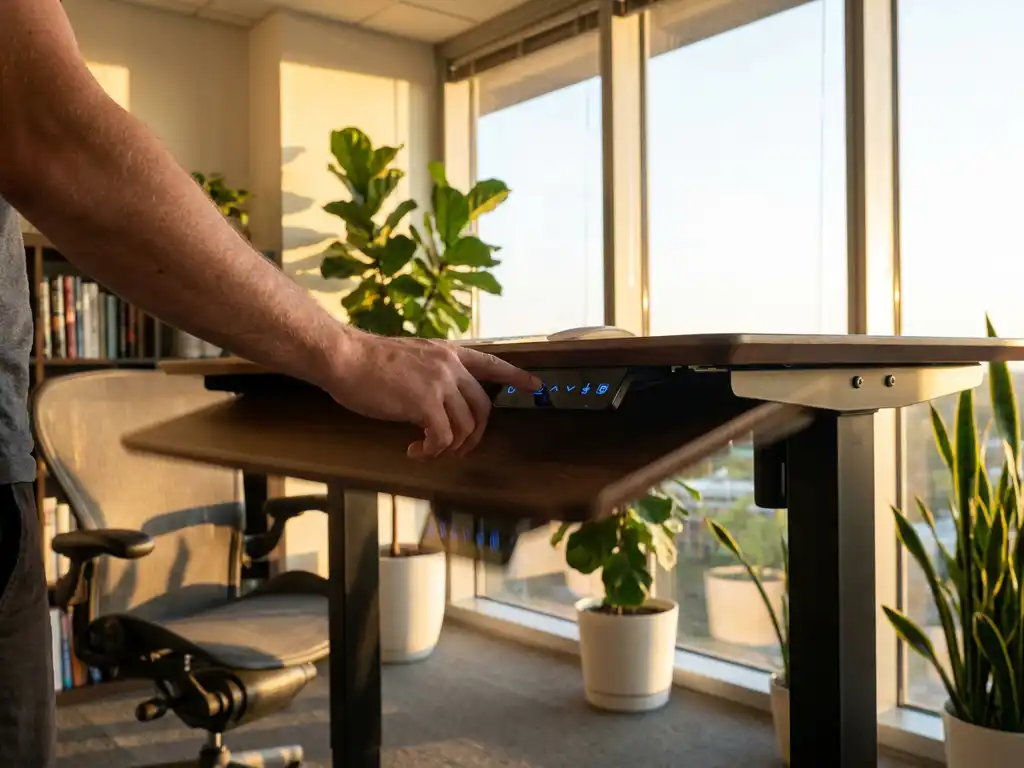
Environmental optimisation contributes significantly to productivity improvements. Smart systems automatically adjust lighting, temperature, and air quality based on occupancy patterns and individual preferences. Personal height preferences for sit-stand desks can be stored and automatically applied, creating immediate comfort that supports sustained focus and physical wellbeing throughout the workday.
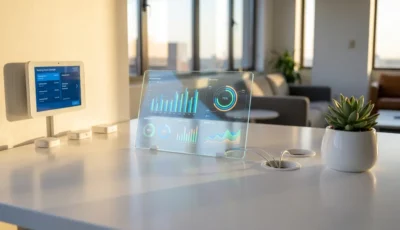
Data-driven insights enable facility managers to identify and eliminate workflow bottlenecks before they impact productivity. Analytics reveal usage patterns that inform strategic decisions about space allocation, resource placement, and capacity planning. This proactive approach ensures the physical environment consistently supports, rather than hinders, productive work.
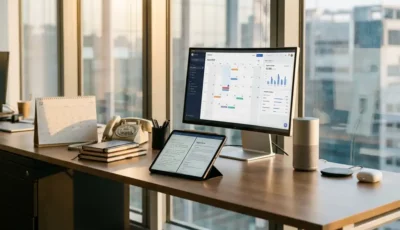
Integration capabilities reduce the cognitive load associated with managing multiple systems and platforms. When booking systems connect seamlessly with calendars, access controls, and communication tools, employees can manage their entire workday through familiar interfaces without learning new processes or switching between disconnected applications.
What wellness benefits do employees experience in smart office environments?
Employee wellbeing in the workplace improves significantly through smart environmental controls, stress reduction via simplified processes, and enhanced work-life balance through flexible workspace options. Smart office technology addresses both physical comfort and mental wellness by creating more responsive and supportive work environments.
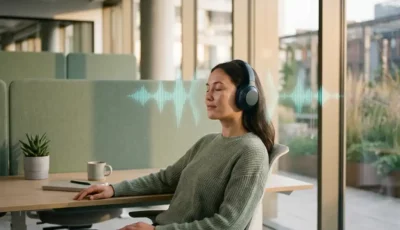
Physical wellness benefits include automated air quality monitoring and lighting optimisation that adapt to natural circadian rhythms and occupancy levels. Smart systems maintain optimal temperature and humidity while reducing noise through strategic space management and sound masking technologies. These environmental improvements reduce fatigue, eye strain, and discomfort that can accumulate throughout the workday.
Mental wellness improves through reduced workplace stress and uncertainty. Real-time availability information eliminates the anxiety associated with finding appropriate workspaces, while seamless booking systems reduce administrative burden. Personalised workspace settings that activate automatically create immediate comfort and familiarity, reducing the mental energy required to adjust to different environments.
Social connections are enhanced through colleague-finding features that help distributed teams locate each other easily. Digital signage and wayfinding systems reduce confusion and navigation stress, particularly for visitors and new employees. These features create more welcoming, inclusive environments that support collaboration and relationship building.
Flexible workspace options support individual work preferences and varying daily needs. Employees can choose environments that match their tasks and energy levels, whether they need quiet focus spaces, collaborative areas, or dynamic standing workstations. This autonomy over workspace selection contributes to job satisfaction and a sense of control over the work environment.
How does smart office technology support hybrid and flexible work models?
Smart office technology enables seamless transitions between remote and in-office work through integrated platforms that synchronise all workplace resources and provide consistent experiences regardless of location. These systems bridge the gap between physical and digital work environments to support truly flexible work patterns.
Desk and room booking systems accommodate varying occupancy patterns by providing real-time availability and allowing advance reservations from any location. Employees can plan their office days effectively, ensuring appropriate workspace availability while enabling organisations to optimise space utilisation based on actual demand rather than traditional capacity assumptions.
Visitor management capabilities become crucial for hybrid models in which external collaborators and remote team members visit offices intermittently. Touchless check-in systems, pre-registration capabilities, and integrated access controls create professional experiences for guests while maintaining security and compliance requirements. QR code systems and personalised badges streamline the arrival process for infrequent visitors.
Digital wayfinding and colleague-finding features help employees navigate offices they may visit infrequently. Interactive displays and mobile applications guide people to reserved spaces, meeting locations, and amenities. These systems are particularly valuable when team members work from different locations and need assistance locating colleagues during their office days.
Analytics provide facility managers with insights into changing occupancy patterns that inform strategic space-planning decisions. Understanding when and how spaces are used enables organisations to adapt their physical environments to support hybrid work effectively. This data-driven approach ensures office investments align with actual usage patterns rather than traditional assumptions about workplace occupancy.
How GoBright helps with Smart Office Environments
GoBright provides comprehensive smart office solutions that transform traditional workspaces into intelligent, responsive environments that boost both productivity and employee wellness. Our integrated platform addresses every aspect of smart office implementation, from initial planning to ongoing optimisation.
Our solutions deliver immediate benefits through:
- Real-time space management – Interactive displays and mobile apps that show instant availability for desks, meeting rooms, and collaboration spaces
- Automated environmental controls – Smart sensors that adjust lighting, temperature, and air quality based on occupancy and preferences
- Seamless hybrid work support – Integrated booking systems that accommodate flexible work patterns and varying occupancy levels
- Data-driven insights – Analytics platforms that reveal usage patterns and inform strategic space planning decisions
- Visitor management – Touchless check-in systems and digital wayfinding that create professional experiences for guests
- Colleague finding – Location services that help distributed teams connect and collaborate effectively
Ready to transform your workplace into a smart, efficient environment that supports both productivity and wellness? Contact GoBright for expert guidance, or explore our comprehensive range of products designed to create the intelligent workspace your organisation needs.