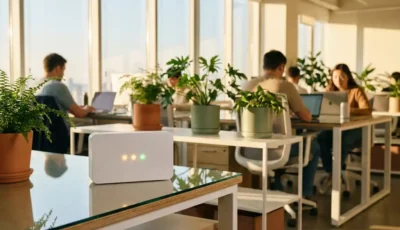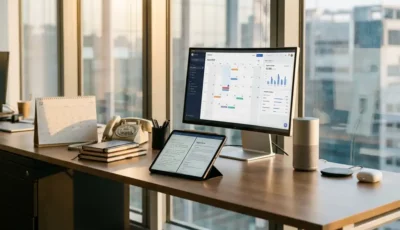
Ergonomic smart desks significantly improve employees’ physical health by addressing musculoskeletal disorders, reducing workplace injuries, and promoting better posture through automated adjustments and real-time monitoring. These advanced workstations combine traditional ergonomic principles with smart office technology to create personalised wellness solutions that adapt to individual needs throughout the workday, supporting overall employee wellbeing in the workplace.
What are ergonomic smart desks and how do they differ from traditional office furniture?
Ergonomic smart desks are technologically enhanced workstations that automatically adjust to individual user preferences while monitoring and optimising posture throughout the workday. Unlike traditional office furniture, these desks feature height-adjustment memory, posture-monitoring sensors, and integration capabilities with workplace management systems.
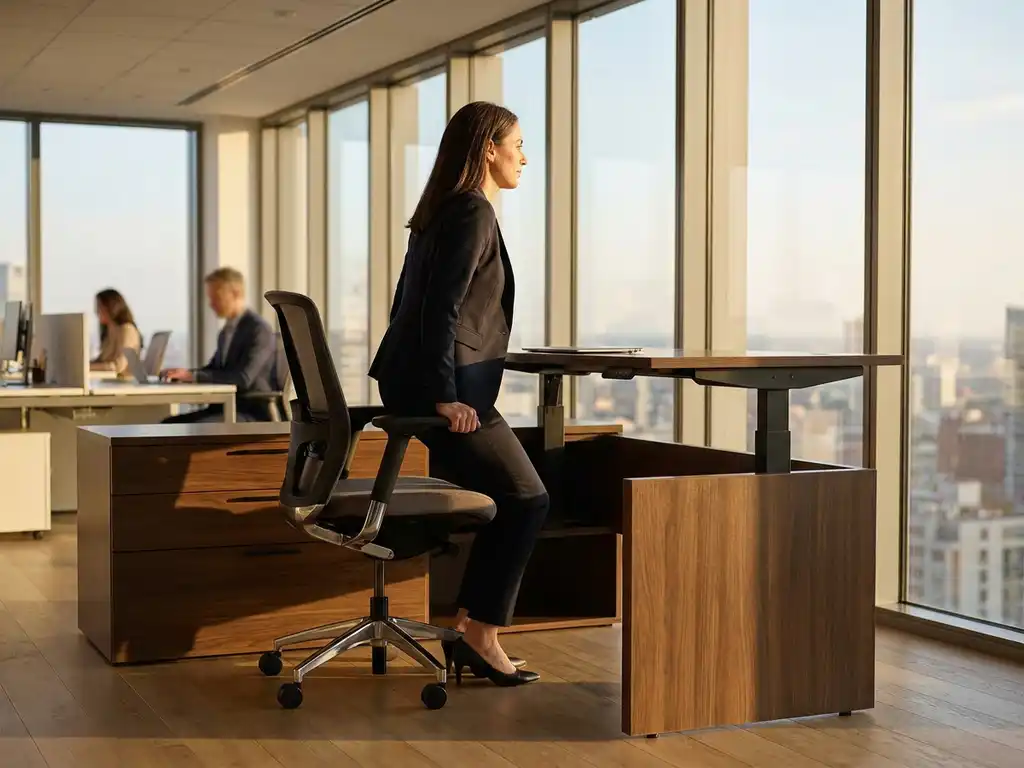
The key differentiator lies in their intelligent automation. Traditional ergonomic desks require manual adjustments each time an employee sits down, often leading to inconsistent positioning. Smart desks eliminate this friction by storing personal height preferences and automatically adjusting to the correct position upon check-in. Advanced models include sensors that track sitting and standing patterns, providing gentle reminders to change positions for optimal health.
Modern smart office solutions integrate these desks with broader workplace platforms, enabling seamless transitions between workstations in hot-desking environments. The technology extends beyond simple height adjustment to include power management, occupancy sensing, and personalised ergonomic profiles that follow employees across different workspaces.
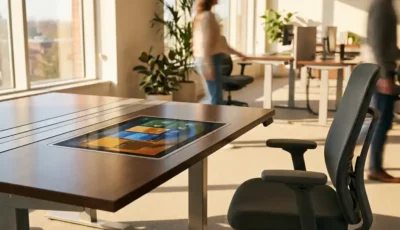
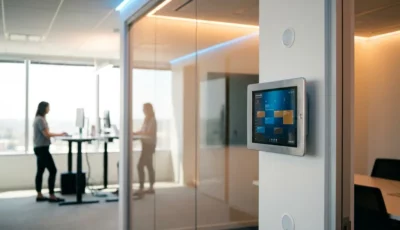
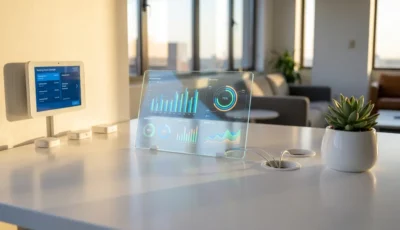
These intelligent workstations also feature real-time status indicators and touchscreen interfaces that allow instant booking extensions or workspace modifications. Integration with mobile applications means employees can locate their reserved desk quickly, with visual indicators guiding them to their personalised workspace that is already adjusted to their preferred specifications.
How do ergonomic smart desks reduce common workplace injuries and physical strain?
Smart desks actively prevent workplace injuries by addressing the root causes of musculoskeletal disorders through automated posture reminders, seamless sit-stand transitions, and personalised ergonomic settings. They tackle neck and back pain, repetitive strain injuries, and eye strain through continuous monitoring and proactive adjustments.
The automated sit-stand functionality is particularly effective in preventing the health risks associated with prolonged sitting. Rather than relying on employees to remember to change positions, smart desks can prompt regular transitions based on individual health profiles and usage patterns. This consistent movement helps maintain proper circulation, reduces lower back pressure, and prevents the muscle stiffness that leads to chronic pain.
For repetitive strain injuries, these desks maintain optimal monitor height and keyboard positioning automatically. The precision of electronic adjustment means employees consistently work at the correct angles, reducing stress on the wrists, shoulders, and neck. The technology eliminates the gradual drift in positioning that occurs with manual adjustments, where desks slowly return to suboptimal heights.
Eye strain reduction comes through consistent monitor positioning at proper viewing distances and angles. Smart desks ensure screens remain at eye level whether sitting or standing, preventing the forward head posture that contributes to neck pain and visual fatigue. Some systems integrate with lighting controls to optimise the visual environment based on time of day and task requirements.
What specific health benefits do employees experience with smart desk technology?
Employees using smart desk technology experience measurable improvements in posture, significant reductions in back pain, enhanced circulation, decreased fatigue, and increased energy levels throughout the workday. The automated movement reminders and posture tracking contribute to comprehensive wellness outcomes that extend beyond the office environment.
Better posture represents the most immediate benefit, with smart desks maintaining optimal spinal alignment through precise positioning. The technology prevents the slouching and forward head posture common in traditional desk setups, leading to improved breathing and reduced tension in the shoulders and neck. This postural improvement often translates into greater confidence and reduced physical discomfort during long working periods.
Circulation improvements are particularly notable among employees who previously spent entire days seated. The regular sit-stand transitions promoted by smart desks help maintain healthy blood flow, reducing leg swelling and the risk of circulatory issues. Many users report feeling more alert and energised as improved circulation supports better oxygen delivery throughout the body.
The reduction in physical fatigue stems from the desk’s ability to optimise energy expenditure throughout the day. By maintaining proper positioning and encouraging regular movement, employees expend less energy fighting poor posture and experience less muscle fatigue. This enhanced smart office technology creates a more sustainable working rhythm that supports productivity without compromising physical health.
Improvements in sleep quality are frequently reported, as better daytime posture and reduced physical tension carry over into evening rest. The decreased pain and stiffness resulting from proper ergonomic positioning throughout the workday contribute to more restful sleep and better recovery.
How do smart desks monitor and improve employee posture throughout the workday?
Smart desks monitor posture through integrated sensors that track sitting and standing patterns, desk height usage, and movement frequency, providing real-time feedback and automated adjustments. These systems learn individual preferences, deliver gentle reminders, and create personalised ergonomic profiles that continuously optimise health outcomes.
The monitoring technology typically includes pressure sensors in the desk surface and height sensors that track adjustment patterns. This data reveals how employees actually use their workspace versus their stated preferences, allowing the system to make intelligent recommendations for healthier working habits. Advanced models can detect when someone is leaning forward excessively or maintaining static positions for too long.
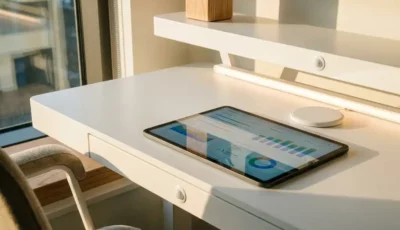
Real-time feedback systems provide subtle notifications through mobile apps or desk-mounted displays, encouraging posture corrections without disrupting workflow. These reminders are personalised based on individual health goals and work patterns, ensuring they enhance rather than interrupt productivity. The feedback becomes more sophisticated over time as the system learns the optimal timing and frequency for each user.
The automated adjustment features respond to detected posture issues by suggesting or implementing height changes that promote better positioning. Some systems can gradually adjust desk height to encourage standing breaks or modify the workspace setup to reduce strain on specific muscle groups. This proactive approach prevents problems before they develop into chronic issues.
Personalised ergonomic profiles store comprehensive data about individual preferences, health considerations, and optimal positioning. These profiles can follow employees across different workstations in flexible office environments, ensuring consistent ergonomic support regardless of which desk they use. The system continuously refines these profiles based on usage data and health outcomes, creating increasingly effective personalised wellness solutions.
How GoBright helps with ergonomic smart desk implementation
GoBright provides comprehensive smart desk solutions that transform your workplace into a health-focused environment where employee wellbeing drives productivity. Our intelligent desk management system delivers the ergonomic benefits discussed throughout this article through seamless technology integration and personalised user experiences.
Our platform addresses ergonomic challenges through:
- Automated height adjustment memory that ensures perfect positioning for each employee
- Real-time occupancy sensing that optimises workspace allocation in flexible office environments
- Mobile app integration for effortless desk booking and personalisation
- Comprehensive analytics that track usage patterns and health outcomes
- Seamless integration with existing workplace management systems
Transform your office into a wellness-focused environment that supports employee health while boosting productivity. Explore our complete range of products or contact our team to discover how GoBright can create a healthier, more efficient workplace for your organisation.