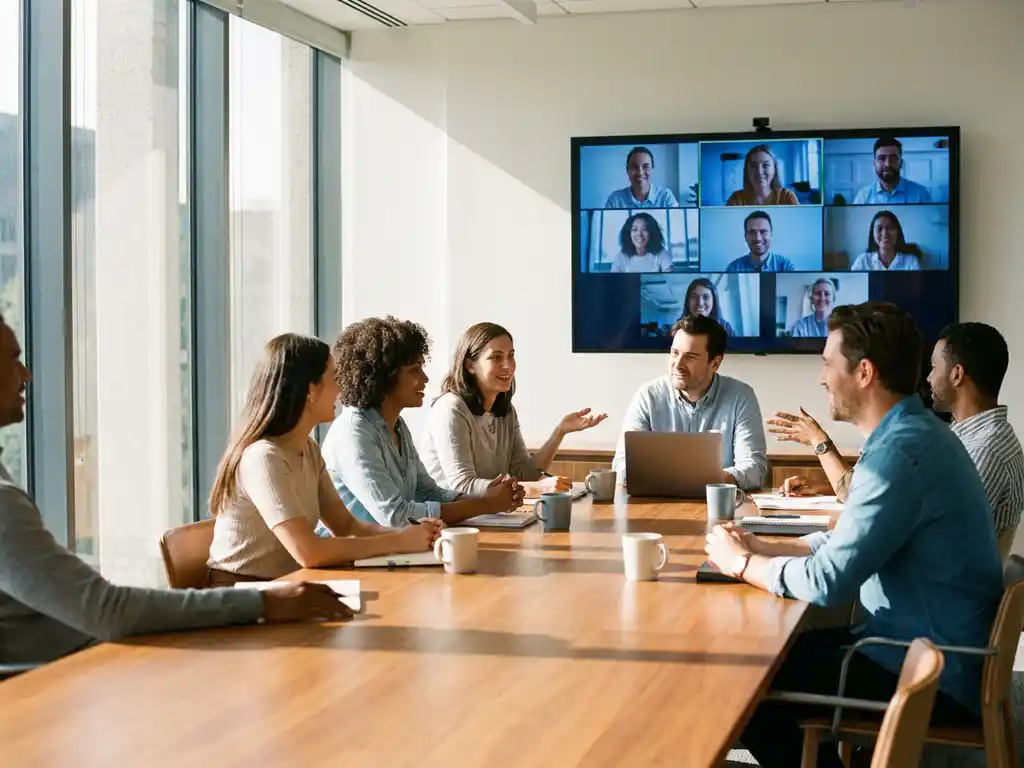
Creating a positive workplace culture in a hybrid environment means building shared values, trust, and connection across both remote and in-office teams. It requires intentional communication strategies, inclusive practices, and thoughtful office design that make every employee feel valued, regardless of where they work. The key is adapting traditional culture-building approaches so they work across different locations and work styles.
What does positive workplace culture actually mean in a hybrid environment?
Positive workplace culture in hybrid settings combines shared values, mutual respect, and inclusive practices that work seamlessly whether employees are remote or in the office. It means creating an environment where all team members feel equally valued, connected, and engaged with company goals, regardless of their physical location.
Traditional workplace culture relied heavily on face-to-face interactions, shared physical spaces, and spontaneous conversations. In hybrid environments, culture becomes more intentional and structured. You need to actively create touchpoints that bring people together, establish clear communication norms, and ensure remote workers have the same access to information and opportunities as their office-based colleagues.
A positive hybrid culture prioritises psychological safety, where employees feel comfortable speaking up, sharing ideas, and making mistakes without fear of judgment. This becomes even more important when some team members might feel isolated or disconnected from daily office dynamics.
The culture should also embrace flexibility while maintaining accountability. This means trusting employees to manage their work effectively from any location, while providing clear expectations and regular check-ins to ensure everyone stays aligned with team objectives.
Why is building culture harder when your team works from different locations?
Building culture becomes more challenging in hybrid teams because you lose the natural relationship-building that happens through daily interactions, shared experiences, and informal conversations. Remote employees often miss out on spontaneous discussions, office social dynamics, and the subtle cultural cues that develop organically in physical workspaces.
Communication barriers create significant obstacles. Remote workers might not receive informal updates, feel excluded from impromptu meetings, or struggle to read non-verbal cues during video calls. This can lead to misunderstandings and feelings of disconnection from the broader team culture.
Different work experiences between remote and office employees can create cultural divides. Office workers might develop stronger relationships with leadership, have better access to information, or feel more included in decision-making processes. Meanwhile, remote employees might feel like outsiders looking in.
Time zone differences and varying schedules make it difficult to create shared experiences. When team members work different hours or from different locations, finding common times for culture-building activities becomes a logistical challenge.
The absence of physical space also eliminates environmental cues that reinforce company values. Office decorations, informal gathering spaces, and visual reminders of the company mission don’t exist for remote workers, making it harder to maintain a sense of cultural connection.
How do you keep remote employees feeling connected to company culture?
Keep remote employees connected by creating regular virtual touchpoints, inclusive communication practices, and shared experiences that bridge the physical gap. This includes virtual coffee chats, online team-building activities, and ensuring remote workers have equal access to information and decision-making processes.
Establish consistent communication rituals that include everyone. Start meetings with personal check-ins, create dedicated channels for non-work conversations, and schedule regular one-on-ones with remote team members. Make sure important announcements and informal updates reach remote workers at the same time as office employees.
Design virtual culture activities that feel natural rather than forced. This might include online lunch sessions, virtual book clubs, or collaborative products that bring different team members together. The key is making these activities optional and genuinely enjoyable rather than mandatory team-building exercises.
Share company stories, values, and achievements consistently through multiple channels. Create video messages from leadership, celebrate wins in team meetings, and use digital platforms to showcase company culture and employee achievements. Remote workers need these cultural touchpoints to feel part of the bigger picture.
Provide remote employees with the same professional development opportunities as office workers. This includes training sessions, mentorship programmes, and career advancement discussions. When remote workers see equal investment in their growth, they feel more connected to the company’s future.
What are the most effective ways to build trust in hybrid teams?
Build trust in hybrid teams through transparent communication, consistent follow-through on commitments, and accountability systems that work across all locations. Focus on results rather than hours worked, maintain regular check-ins, and create clear expectations that apply equally to remote and office employees.
Transparency becomes more important when team members can’t see each other’s daily work. Share project updates openly, communicate challenges honestly, and make decision-making processes visible to everyone. When remote workers understand how and why decisions are made, they feel more included and trusted.
Establish clear accountability measures that focus on outcomes rather than activity. Set specific goals, deadlines, and quality standards that apply regardless of work location. Regular progress reviews help maintain trust by ensuring everyone meets their commitments while providing support when needed.
Create psychological safety by encouraging open feedback and acknowledging when things don’t go as planned. Leaders should model vulnerability by sharing their own challenges and mistakes. This openness helps build trust across the team, especially when some members work remotely.
Maintain consistent communication schedules and response times. When team members know they can rely on timely responses and regular updates, trust develops naturally. This is particularly important for remote workers, who might otherwise feel forgotten or deprioritised. Leveraging effective integrations with existing communication tools can streamline this process.
How can office spaces support positive culture for hybrid workers?
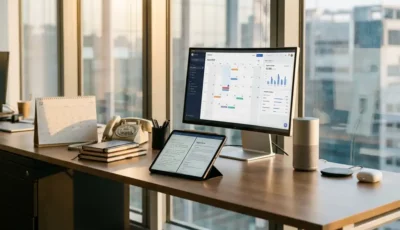
Office spaces support hybrid culture by creating environments that make in-person days valuable and engaging. This includes collaboration areas, booking systems for desks and meeting rooms, and technology that seamlessly connects remote and office workers during meetings and daily interactions.
Design spaces that encourage collaboration and spontaneous interactions. Create comfortable common areas, flexible meeting spaces, and zones specifically designed for video calls with remote colleagues. The office should feel like a place where meaningful work and relationship-building happen naturally.
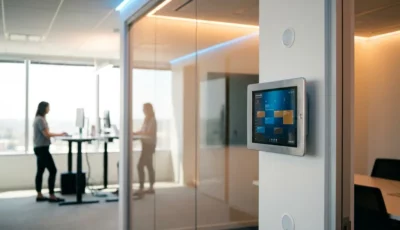
Implement smart office booking systems that make it easy for hybrid workers to reserve desks, meeting rooms, and parking spaces. When employees can easily plan their office days and know they’ll have the resources they need, they’re more likely to view in-person time positively.
Invest in technology that bridges locations effectively. High-quality video conferencing equipment, digital whiteboards, and collaboration tools help create inclusive meetings where remote participants feel equally involved. The goal is to make virtual attendees feel present rather than like observers.
Create spaces that reflect company values and culture visually. This might include areas for displaying team achievements, comfortable spaces for informal conversations, or quiet zones for focused work. When hybrid workers come to the office, they should immediately feel connected to the company’s identity and values.
How GoBright helps with building positive workplace culture in hybrid environments
GoBright provides comprehensive solutions that address the core challenges of maintaining positive workplace culture across hybrid teams. Our platform creates seamless experiences that make both remote and in-office employees feel equally valued and connected to your organisation’s culture.
Our solutions specifically support positive hybrid workplace culture through:
• Smart booking systems that eliminate friction for hybrid workers planning their office days, ensuring they always have access to the spaces and resources they need
• Real-time occupancy insights that help teams coordinate in-person collaboration time and create spontaneous interaction opportunities
• Integrated communication tools that bridge the gap between remote and office workers, making virtual participants feel equally included in meetings and daily interactions
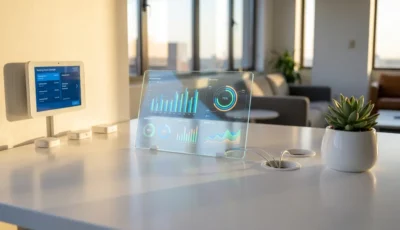
• Analytics and reporting that help leadership understand space usage patterns and employee preferences, enabling data-driven decisions about culture-building initiatives
• Seamless technology integration that connects with your existing tools and workflows, reducing barriers to effective hybrid collaboration
Building positive workplace culture in hybrid environments requires intentional effort, but the results create stronger, more resilient teams. Ready to transform your hybrid workplace culture with technology that brings teams together regardless of location? Contact us to learn more about our solutions.