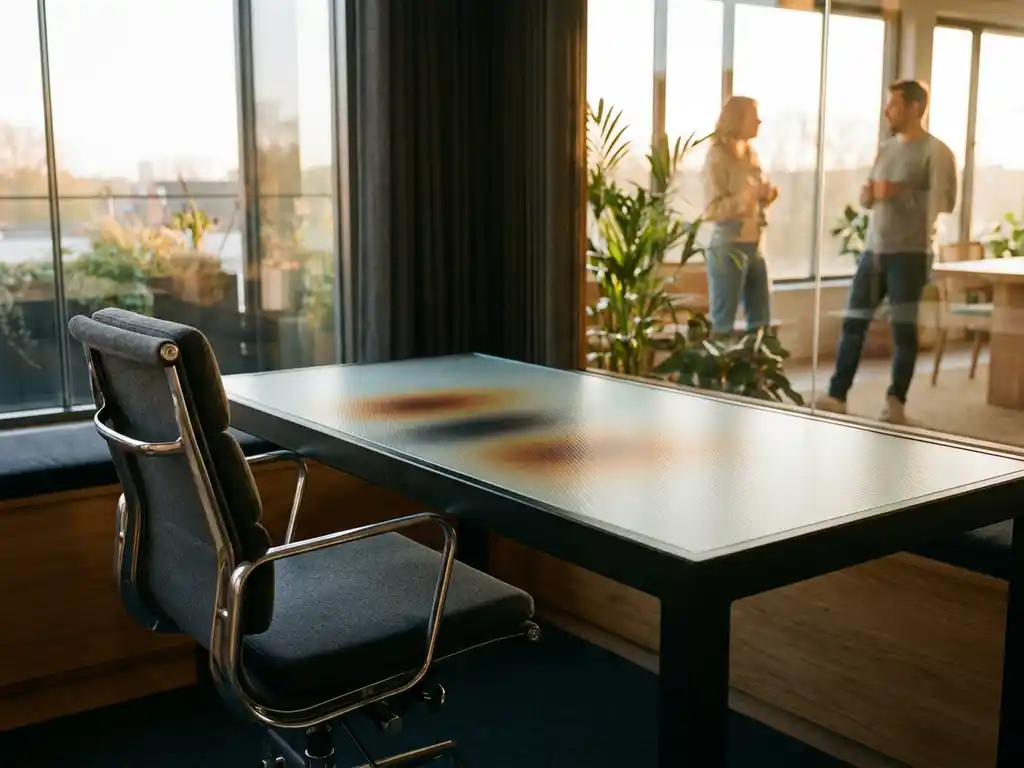
Desk booking data reveals workplace culture patterns through employee behavior, collaboration preferences, and space utilization trends. This information helps you identify cultural strengths and gaps, then make targeted improvements to enhance team dynamics and employee satisfaction. Understanding these insights transforms raw booking data into actionable strategies for building a stronger workplace culture.
What does desk booking data actually tell you about your workplace culture?
Desk booking data reveals collaboration patterns, team dynamics, and employee preferences that directly reflect the health of your workplace culture. It shows whether people choose to sit near teammates, prefer quiet zones, or actively seek collaborative spaces throughout their workday.
The booking patterns tell a story about how your teams actually work together. When you see employees consistently booking desks near their colleagues, it indicates strong team bonds and a collaborative culture. Conversely, scattered booking patterns might suggest siloed working styles or teams that prefer independent work approaches.
Space utilization trends highlight cultural preferences around flexibility and autonomy. High booking rates for collaborative areas demonstrate an engagement-focused culture, while heavy usage of quiet zones suggests deep work is valued. The timing of bookings also matters – early morning reservations often indicate a proactive planning culture, while last-minute bookings might reflect more spontaneous, agile working styles.
Employee behavior patterns emerge through booking frequency and duration. Regular, consistent booking habits suggest structured work preferences, while varied patterns indicate adaptable, flexible approaches. These insights help you understand whether your culture supports different working styles effectively, especially when combined with comprehensive products that track and analyze workplace utilization.
How do you turn desk booking patterns into actionable workplace improvements?
Transform booking data into workplace improvements by identifying underutilized spaces, optimizing popular areas, and addressing employee preferences revealed through their booking choices. Start by mapping high-demand locations and understanding why certain spaces remain empty or overbooked.
Analyze booking data to spot opportunities for layout optimization. If collaborative spaces are consistently overbooked while individual desks sit empty, consider converting some traditional workstations into team areas. Look for patterns in booking times to understand peak usage periods and adjust space availability accordingly.
Address employee preferences by examining booking duration and frequency. Short booking periods might indicate inadequate space functionality, while avoiding certain areas altogether suggests environmental or ergonomic issues. Use this information to make targeted improvements such as better lighting, temperature control, or equipment upgrades through seamless integrations with existing building management systems.
Create feedback loops by combining booking data with employee surveys. This approach validates your data interpretations and uncovers the reasoning behind booking behaviors. You might discover that popular spaces have specific features employees value, which you can replicate elsewhere.
Implement gradual changes based on clear data trends rather than making sweeping modifications. Test improvements in small areas first, monitor changes in booking patterns, and gather employee feedback before rolling out larger workplace modifications.
What are the most important desk booking metrics for measuring culture change?
Key metrics for measuring culture change include space utilization rates, collaboration frequency indicators, booking pattern diversity, and correlations with employee satisfaction. These measurements help you track whether workplace modifications are successfully supporting cultural transformation goals.
Space utilization rates show how effectively different areas support your intended culture. Increasing usage of collaborative spaces indicates a growing emphasis on teamwork, while balanced utilization across various space types suggests successful implementation of activity-based working.
Collaboration frequency appears through proximity booking patterns and shared space reservations. Track how often team members book adjacent desks or meeting rooms together. Rising collaboration metrics typically correlate with stronger team relationships and a more integrated workplace culture.
Booking pattern diversity reveals cultural flexibility and employee autonomy. Healthy workplace cultures show varied booking behaviors, indicating people feel comfortable choosing spaces that match their daily work needs rather than following rigid assignment patterns.
Correlations with employee satisfaction emerge when you compare changes in booking behavior with engagement survey results. Positive culture change often shows increased booking participation, longer advance planning periods, and more experimental space usage as people become more comfortable with flexible working options.
Monitor booking consistency and cancellation rates as indicators of cultural health. Stable booking patterns with low cancellation rates suggest employees feel confident in their workspace choices and planning abilities, especially when organizations partner with experienced providers to understand about us and our proven workplace analytics expertise.
How do you use booking data to create better team collaboration spaces?
Use booking data to identify natural collaboration patterns and design spaces that support existing team dynamics while encouraging new interactions. Analyze which teams frequently book adjacent spaces and where spontaneous collaborations occur most often through booking modifications and extensions.
Examine booking duration and group size data to understand collaboration needs. Short, frequent bookings in certain areas might indicate a need for quick huddle spaces, while longer reservations suggest a requirement for dedicated project rooms. This information guides appropriate space sizing and equipment allocation.
Track booking timing patterns to optimize the placement of collaborative spaces. If certain teams consistently book spaces during overlapping hours, position their preferred collaboration areas nearby to reduce booking conflicts and support natural interaction opportunities.
Design flexible collaboration zones based on usage patterns rather than assumptions. If data shows teams prefer informal collaboration over formal meeting rooms, create more casual interaction spaces with comfortable seating and easy access to technology.
Monitor cross-team booking patterns to identify opportunities for interdepartmental collaboration. When different teams occasionally book adjacent spaces, consider creating shared collaboration areas that naturally encourage knowledge sharing and relationship building across organizational boundaries.
Use booking modification data to understand gaps in space functionality. Frequent booking extensions or space changes indicate that initial reservations do not match actual collaboration needs, suggesting opportunities for better space design or booking system improvements.
How GoBright helps with workplace culture transformation
GoBright provides comprehensive desk booking solutions that turn workplace data into actionable culture insights through advanced analytics and intuitive reporting. Our platform helps organizations understand their workplace patterns and implement data-driven improvements that strengthen team dynamics and employee satisfaction.
Our solution offers:
- Real-time booking analytics that reveal collaboration patterns and space utilization trends
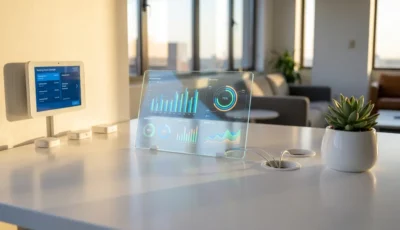
- Customizable reporting dashboards that track culture change metrics and employee behavior
- Integration capabilities with existing workplace systems for seamless data collection
- Flexible booking options that support diverse working styles and team preferences
- Predictive insights that help optimize space allocation and improve workplace efficiency
We help organizations implement smart office booking systems that capture these valuable insights while supporting flexible, data-driven workplace strategies. If you’re ready to transform your workplace culture through data-driven insights, contact GoBright to explore how our solutions can support your organization’s unique needs.