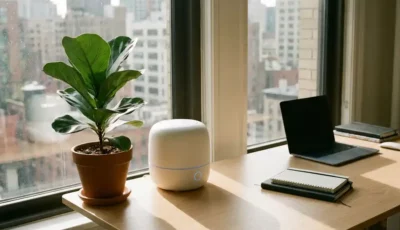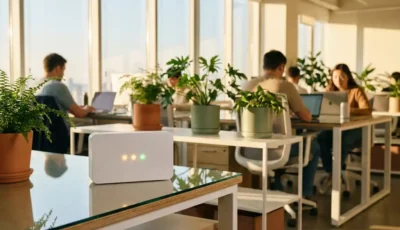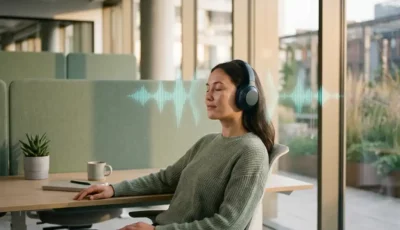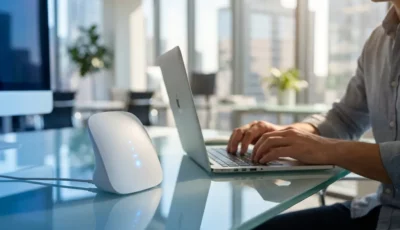
Smart office technology significantly improves employee wellbeing by creating more comfortable, flexible, and stress-free work environments. These solutions address key wellbeing factors, including workspace control, environmental comfort, reduced daily frustrations, and better work-life balance. Modern workplace technology transforms how employees interact with their office space, leading to measurable improvements in job satisfaction, productivity, and overall workplace happiness.
What is smart office technology and how does it impact employee wellbeing?
Smart office technology encompasses integrated digital systems that automate and optimise workplace functions, including desk booking, room management, environmental monitoring, and visitor services. These solutions directly improve employee wellbeing by reducing workplace stress, providing greater autonomy over work environments, and eliminating common office frustrations that negatively affect mental health and job satisfaction.
The connection between smart office solutions and employee wellbeing operates across multiple dimensions. Physical wellbeing improves through better ergonomics, optimised lighting and air quality, and reduced time spent searching for available spaces. Mental wellbeing benefits from increased control over work environments, reduced uncertainty about workspace availability, and streamlined daily processes that eliminate stress-inducing friction points.
Social wellbeing receives support through colleague location features that help maintain team connections in hybrid environments, while professional wellbeing grows through access to spaces that match specific work activities. When employees can easily find quiet zones for focused work or collaborative areas for team projects, their ability to perform effectively increases substantially.
Environmental factors play a crucial role in wellbeing outcomes. Smart office technology enables real-time monitoring and adjustment of temperature, lighting, and air quality based on occupancy patterns and individual preferences. This creates consistently comfortable conditions that support both physical health and cognitive performance throughout the workday.
How does flexible workspace booking improve work-life balance?
Flexible workspace booking systems directly enhance work-life balance by giving employees control over when, where, and how they work. This autonomy reduces commute-related stress, enables better schedule coordination with personal commitments, and supports hybrid work patterns that allow people to optimise their productivity while maintaining personal wellbeing.
The psychological impact of workspace control cannot be overstated. When employees can reserve desks in advance, they experience reduced anxiety about finding suitable work areas and can plan their days more effectively. This predictability supports better sleep patterns, reduces morning stress, and enables more strategic thinking about daily priorities rather than reactive responses to workspace availability.
Hybrid work models become genuinely sustainable through effective booking systems. Employees can coordinate office days with team meetings, collaborative projects, or tasks requiring specific equipment, while working remotely when deep focus or personal flexibility serves them better. This balance prevents the exhaustion often associated with rigid office requirements or complete remote isolation.
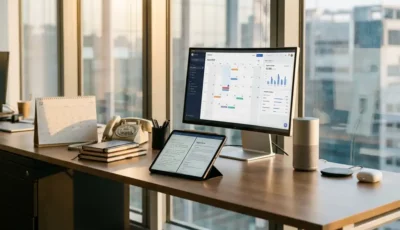
Schedule optimisation becomes possible when booking systems integrate with calendar applications and team coordination tools. Employees can align their physical presence with colleague availability, ensuring that office days deliver maximum social and collaborative value, while remote days provide the quiet focus time essential for complex work.
The ripple effects extend beyond individual employees to family and personal relationships. When people can plan office attendance around school schedules, medical appointments, or personal commitments, work-life integration becomes more harmonious and sustainable in the long term.
What role does workplace data play in creating healthier office environments?
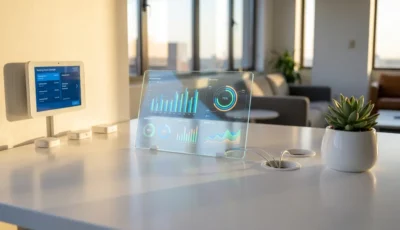
Workplace data enables facility managers to create healthier office environments by providing insights into occupancy patterns, environmental conditions, and space utilisation that inform evidence-based decisions about air quality, lighting, temperature control, and layout optimisation. This data-driven approach ensures office conditions consistently support employee health and comfort rather than relying on assumptions or complaints.
Occupancy analytics reveal how spaces are actually used versus how they were intended to be used. This information helps identify overcrowded areas that may have poor air circulation, underutilised zones that could be repurposed for wellness activities, and peak usage times that require enhanced environmental controls. Real-time occupancy data enables proactive adjustments before conditions become uncomfortable or unhealthy.
Environmental monitoring through connected sensors tracks air quality, temperature fluctuations, humidity levels, and lighting conditions across different areas and times. This granular data helps facility teams identify patterns that correlate with employee complaints, productivity dips, or increased sick leave, enabling targeted interventions that address root causes rather than symptoms.
Predictive maintenance becomes possible when data reveals equipment performance trends before failures occur. HVAC systems, lighting controls, and other environmental infrastructure can be serviced proactively, preventing the uncomfortable conditions and air quality issues that often accompany system breakdowns.
Usage insights also inform strategic decisions about space allocation and design. Data might reveal that certain areas consistently have poor utilisation due to inadequate lighting or excessive noise, leading to targeted improvements that transform underused spaces into popular, health-supporting work environments.
How can smart office features reduce daily workplace frustrations?
Smart office features eliminate daily workplace frustrations by automating routine tasks, providing real-time information about space availability, streamlining visitor management, and enabling seamless coordination between colleagues. These products reduce the small but cumulative stresses that can significantly impact employee satisfaction and mental wellbeing over time.
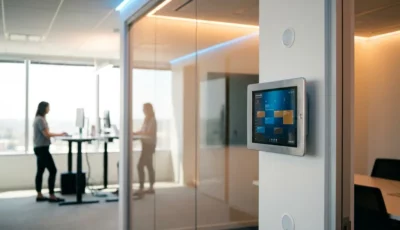
Space-finding frustrations disappear when employees can see real-time availability through mobile apps or digital displays. Instead of wandering floors looking for empty meeting rooms or available desks, people can identify and reserve suitable spaces instantly. This efficiency saves time while reducing the stress and interruption that come from unsuccessful space searches.
Meeting preparation becomes streamlined through integrated booking systems that automatically configure rooms with appropriate technology, adjust lighting and temperature settings, and provide clear wayfinding to help attendees locate spaces quickly. These automated preparations eliminate the technical difficulties and delays that often start meetings on a frustrating note.
Colleague coordination improves dramatically when booking systems include location features that help team members find each other in flexible office environments. Rather than playing phone tag or sending multiple messages to coordinate in-person meetings, people can see where colleagues are working and plan interactions accordingly.
Visitor management transforms from a potential source of embarrassment and delay into a smooth, professional process. Pre-registration, automated check-in systems, and digital badges eliminate the awkward waits, security concerns, and administrative burdens that can make hosting external guests stressful for employees.
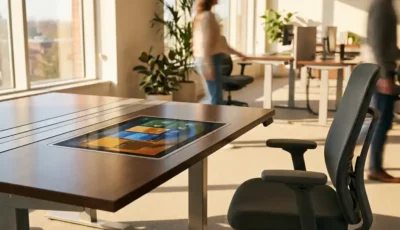
Personalisation features, such as height-adjustable desks that remember individual preferences or lighting controls that adapt to personal needs, remove the daily friction of manually adjusting workspace conditions. These seemingly small improvements accumulate into significantly enhanced comfort and reduced physical strain throughout the workday.
How GoBright helps with employee wellbeing
GoBright provides comprehensive smart office solutions that directly address the key factors affecting employee wellbeing in modern workplaces. Our integrated platform transforms workplace environments by eliminating daily frustrations and creating more supportive, flexible work experiences.
GoBright’s solutions deliver measurable wellbeing improvements through:
- Intuitive desk and room booking systems that reduce workspace anxiety and enable better work-life balance through flexible scheduling
- Real-time occupancy monitoring that helps facility teams maintain optimal environmental conditions for employee health and comfort
- Colleague location features that support social connections and team coordination in hybrid work environments
- Automated visitor management that eliminates hosting stress and creates professional guest experiences
- Environmental data analytics that enable proactive improvements to air quality, lighting, and space utilisation
- Seamless integrations with existing workplace tools that streamline daily processes and reduce technical friction
Ready to create a workplace environment that truly supports employee wellbeing and productivity? Contact GoBright today to discover how our smart office solutions can transform your workplace into a healthier, more engaging environment for your team.