Workspace visibility transforms workplace culture by creating transparency that encourages collaboration, accountability, and connection among team members. It encompasses both physical office design and digital awareness of colleagues’ activities and locations. When implemented thoughtfully, workspace visibility builds trust and community while respecting privacy needs. The key lies in balancing openness with employee comfort to create positive cultural change.
What does workspace visibility actually mean in modern offices?
Workspace visibility refers to the degree to which employees can see and be aware of their colleagues’ activities, locations, and availability within the office environment. This includes physical transparency through open floor plans and glass partitions, as well as digital visibility through booking systems and presence indicators.
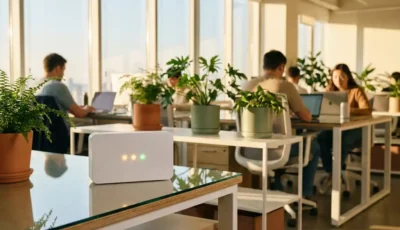
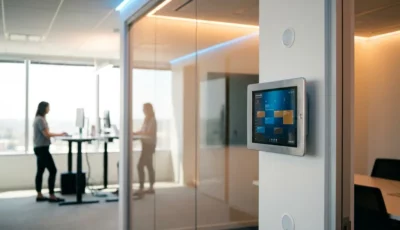
Modern workspace visibility operates on three main levels. Physical transparency involves office layouts that allow natural sightlines and reduce visual barriers between work areas. Digital presence awareness uses technology to show who is in the office, where they are working, and when they are available for collaboration. Activity visibility provides insight into team projects and workflows without invasive monitoring.
The challenge lies in creating the right balance. Too little visibility can lead to isolation and missed collaboration opportunities. Too much can feel intrusive and damage employee trust. Successful modern offices use strategic design elements such as varied spaces for different privacy needs, from open collaboration areas to quiet focus rooms.
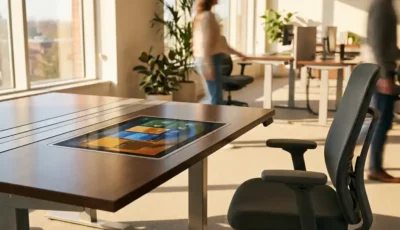
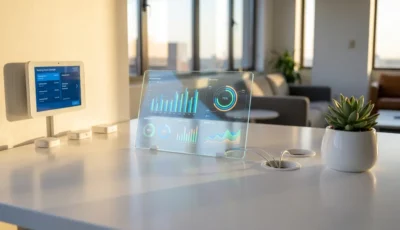
Technology plays a supporting role rather than a surveillance one. Smart booking systems show desk and room availability, digital signage displays general office information, and presence indicators help colleagues know when someone is available for interruption. The goal is to facilitate connection and coordination, not to monitor productivity.
How does workspace visibility change the way people behave at work?
Workspace visibility naturally increases collaboration and accountability as employees become more aware of colleagues’ presence and activities. People tend to engage more frequently in spontaneous conversations, seek help more readily, and maintain professional standards when they know they are visible to teammates.
The most noticeable change is in collaboration patterns. When employees can see who is available and where they are located, informal interactions increase significantly. This leads to faster problem-solving, more knowledge sharing, and stronger working relationships. Teams report feeling more connected and aligned on projects.
Accountability effects manifest in positive ways when visibility is implemented properly. Employees often become more mindful of their work habits, maintain tidier workspaces, and demonstrate greater punctuality. However, this should not feel like surveillance but rather natural social awareness within a professional community.
Social dynamics also shift as workspace visibility breaks down silos between departments and hierarchical levels. Junior employees gain more access to senior colleagues, cross-functional collaboration becomes easier, and company culture becomes more inclusive and transparent.
Some challenges can emerge, including performance anxiety for employees who prefer privacy or feel uncomfortable being observed. The key is ensuring that visibility serves collaboration rather than evaluation, and providing varied spaces that accommodate different comfort levels and work styles.
Why do some employees resist workspace visibility initiatives?
Employee resistance to workspace visibility typically stems from privacy concerns, fear of micromanagement, and discomfort with constant observation. Many workers worry that increased transparency will lead to judgment of their work habits or reduced autonomy in how they manage their time and tasks.
Privacy fears represent the most common concern. Employees value having some personal space and control over when they are available for interaction. Open environments can feel overwhelming for introverted personalities or those who need quiet focus time. Generational differences also play a role, with some preferring traditional private offices.
Micromanagement worries arise when employees suspect visibility initiatives are primarily about monitoring rather than collaboration. If leadership has not clearly communicated the cultural benefits, staff may assume the worst about surveillance and productivity tracking. This concern is particularly strong in organizations with histories of top-down management styles.
Practical concerns include distractions from increased foot traffic, noise levels in open environments, and difficulty concentrating on complex tasks. Some employees also worry about appearing unproductive during natural breaks or when engaged in thinking rather than visible activity.
Addressing resistance requires clear communication about intentions, gradual implementation that allows time for adjustment, and providing varied spaces that accommodate different work styles. When employees understand that visibility aims to enhance culture and collaboration rather than monitor performance, acceptance typically improves significantly.
What are the most effective ways to implement workspace visibility without creating a surveillance culture?
Successful workspace visibility implementation focuses on enabling collaboration rather than monitoring performance, uses transparent communication about goals, and provides employees with choice and control over their visibility levels. The approach should feel supportive rather than intrusive.
A clear communication strategy is vital from the outset. Explicitly explain that visibility initiatives aim to improve teamwork, reduce isolation, and create a better workplace culture. Share specific benefits such as easier colleague location, improved project coordination, and enhanced spontaneous collaboration. Address concerns openly and involve employees in planning discussions.
Gradual implementation works better than sudden changes. Start with voluntary participation in visibility tools, introduce changes in phases, and gather feedback regularly. This allows employees to adjust comfortably and provides opportunities to refine the approach based on actual usage patterns and concerns.
Technology choices should prioritise empowerment over monitoring. Use products that help employees find colleagues and available spaces rather than track individual productivity. Focus on presence and location information that facilitates collaboration while avoiding detailed activity monitoring or time-tracking features.
Design diverse spaces that accommodate different comfort levels and work styles. Include quiet focus areas, private meeting rooms, and semi-private spaces alongside open collaborative zones. This gives employees choice in their visibility level depending on their current tasks and personal preferences.
Establish clear guidelines about appropriate use of visibility information and respect for colleagues’ boundaries. Train managers to use transparency for support and coordination rather than surveillance, and create policies that protect employee privacy while encouraging healthy collaboration.
How GoBright helps with workspace visibility
GoBright provides comprehensive solutions that enable healthy workspace visibility while maintaining employee privacy and comfort. Our platform transforms workplace transparency challenges into opportunities for better collaboration and culture:
- Smart presence indicators that show colleague availability without invasive monitoring
- Intuitive desk and room booking systems that provide location visibility for collaboration
- Digital wayfinding tools that help employees find colleagues and available spaces quickly
- Privacy-first technology that empowers rather than surveils employees
- Seamless integrations with existing workplace systems for effortless implementation
- Customizable visibility settings that respect individual comfort levels and work styles
Ready to create a more transparent and collaborative workplace culture? Contact GoBright today to discover how our smart office solutions can help you implement workspace visibility that enhances teamwork while respecting employee privacy.