Workplace culture in facility management refers to how your physical work environment, policies, and space management practices combine to shape the daily experience and behaviour of employees. It encompasses everything from office layout and technology access to booking systems and environmental comfort. This culture directly influences productivity, collaboration, and employee satisfaction through the spaces and services you provide.
What does workplace culture actually mean in facility management?
Workplace culture in facility management is the combination of physical spaces, operational policies, and management practices that create your organisation’s overall employee experience. It’s how your facility decisions translate into the daily reality of working in your organisation.
Think of it as the bridge between your company values and the actual experience of being in your workplace. When you design flexible spaces that encourage collaboration, implement easy booking systems, or create quiet zones for focused work, you’re actively building culture through facility management.
Your workplace culture shows up in practical ways. It’s reflected in whether employees can easily find and book the right space for their work, how comfortable they feel in different areas of the office, and how well the physical environment supports their productivity. The temperature settings, lighting quality, furniture choices, and even wayfinding systems all contribute to this culture.
Modern facility management recognises that culture isn’t just about company policies written in handbooks. It’s about creating an environment where people genuinely want to work and can do their best work. This means considering how every facility decision impacts the employee experience, from the moment they enter the building to how they interact with colleagues throughout the day.
How does facility management directly impact workplace culture?
Facility management shapes workplace culture through space design choices, technology integration, and operational policies that determine how employees interact with their work environment every day. Every decision about layout, amenities, and systems sends a message about what your organisation values.
Space design communicates your cultural priorities immediately. Open collaborative areas signal that you value teamwork and transparency. Quiet focus zones show respect for deep work and concentration. Flexible spaces that can be reconfigured demonstrate adaptability and employee empowerment. The way you arrange furniture, create meeting spaces, and design common areas all influences how people behave and interact.
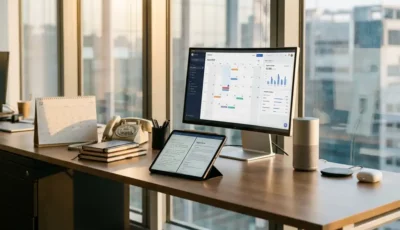
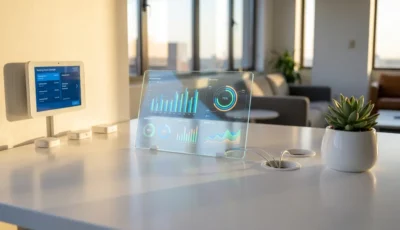
Technology integration plays a huge role in cultural perception. Simple, intuitive booking systems make employees feel trusted and empowered to manage their own workspace needs. Complicated or unreliable systems create frustration and suggest that employee convenience isn’t a priority. Digital signage, room displays, and mobile apps either enhance the experience or create barriers to productivity. Modern integrations can streamline these processes significantly.
Your operational policies directly affect daily culture. Booking policies that are flexible and user-friendly encourage space utilisation and planning. Restrictive or complex policies can create stress and reduce engagement. The way you handle visitor management, parking allocation, and space assignments all contributes to whether employees feel supported or constrained.
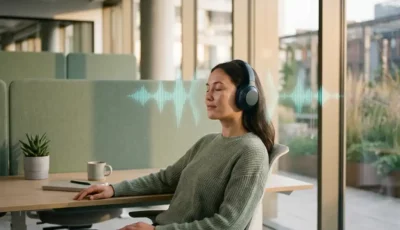
Environmental factors significantly influence mood and behaviour. Proper lighting, comfortable temperatures, good air quality, and acoustic design create conditions where people can focus and collaborate effectively. Poor environmental management leads to distraction, discomfort, and reduced satisfaction with the workplace.
What are the key elements that create a positive workplace culture through facilities?
The most important facility elements for a positive workplace culture include flexible space options, accessible technology, comfort features, and environmental considerations that support different work styles and employee wellbeing throughout the day.
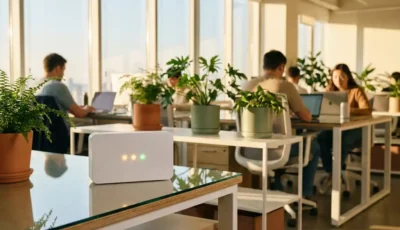
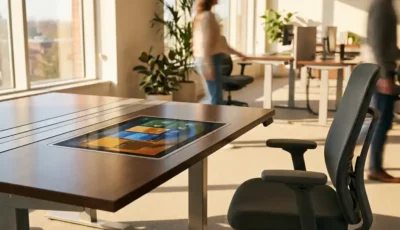
Flexible spaces give employees choice and control over their work environment. This includes a variety of settings like collaboration areas, quiet zones, phone booths, and informal meeting spaces. When people can choose the right environment for their current task, they feel more empowered and productive. Hot-desking and bookable spaces allow teams to adapt their physical setup to match their work needs.
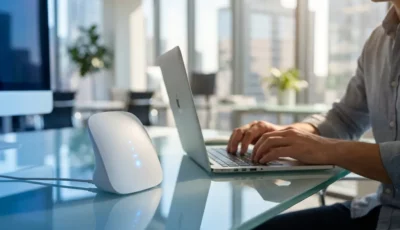
Technology accessibility ensures smooth daily operations. This means reliable Wi‑Fi throughout the building, easy-to-use booking systems, digital displays showing real-time room availability, and integrated calendar systems. When technology works seamlessly, employees can focus on their work rather than fighting with systems. The right products can make this transformation possible.
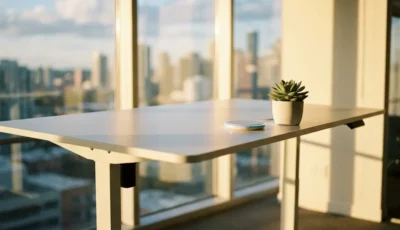
Comfort features demonstrate care for employee wellbeing. Ergonomic furniture, adjustable desks, proper lighting controls, and effective temperature management help people feel physically comfortable. Break areas with quality amenities, quiet spaces for recharging, and wellness rooms show that you value employee health and satisfaction.
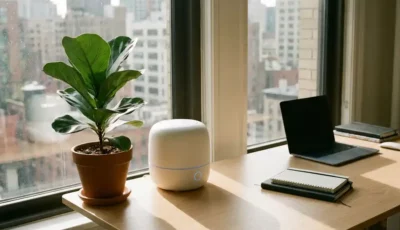
Environmental considerations create a pleasant and productive atmosphere. This includes natural light where possible, plants and greenery, good air quality, acoustic design that manages noise levels, and colour schemes that promote focus or creativity depending on the purpose of the space.
Wayfinding and navigation systems reduce stress and confusion. Clear signage, logical layouts, and digital directories help employees and visitors feel confident moving through the space. This seemingly small detail significantly impacts first impressions and daily experience.
Why is workplace culture becoming more important in hybrid work environments?
Hybrid work models have elevated the importance of intentional culture-building through facility management because employees now make conscious choices about when and where to work. Your office needs to provide compelling reasons for people to choose in-person collaboration over remote work.
When employees work from home several days per week, their office experience becomes more intentional and selective. They come in for specific purposes like team meetings, collaborative projects, or social connection. This means your facility needs to excel at supporting these activities. Spaces must be designed and equipped to make in-person work notably better than what people can achieve remotely.
Connection and engagement become harder to maintain when teams are distributed across different locations and schedules. Your facility management approach needs to actively foster interaction and community. This might include designing spaces that encourage spontaneous conversations, creating booking systems that help colleagues find each other, or setting up areas specifically for team-building and social interaction.
Flexibility becomes paramount in hybrid environments because you’re serving different groups of people with varying schedules and needs. Your space utilisation patterns change constantly, requiring adaptable furniture, flexible booking policies, and spaces that can serve multiple functions throughout the day.
The office experience must justify the commute. Employees will only choose to come in when the office provides clear advantages over working from home. This means investing in high-quality collaborative technology, creating inspiring environments, and ensuring that facility services genuinely enhance productivity and satisfaction.
How GoBright helps with workplace culture transformation
GoBright provides comprehensive solutions that transform workplace culture by making facility management more intuitive, flexible, and employee-focused. Our integrated platform addresses the key challenges that prevent organisations from creating truly engaging workplace experiences.
Our solutions directly improve workplace culture through:
- Seamless space booking systems that empower employees to easily find and reserve the right workspace for their needs
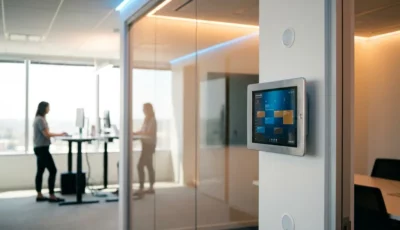
- Real-time room availability displays that eliminate frustration and reduce time wasted searching for available spaces
- Integrated calendar systems that sync with existing workflows and make hybrid work coordination effortless
- Analytics and insights that help facility managers understand space utilisation patterns and optimise the workplace experience
- Visitor management solutions that create professional first impressions and streamline guest experiences
- Wayfinding technology that helps people navigate complex office environments with confidence
Ready to transform your workplace culture through smarter facility management? Contact GoBright today to learn how our smart office solutions can help you create an environment where employees genuinely want to work and can do their best work.