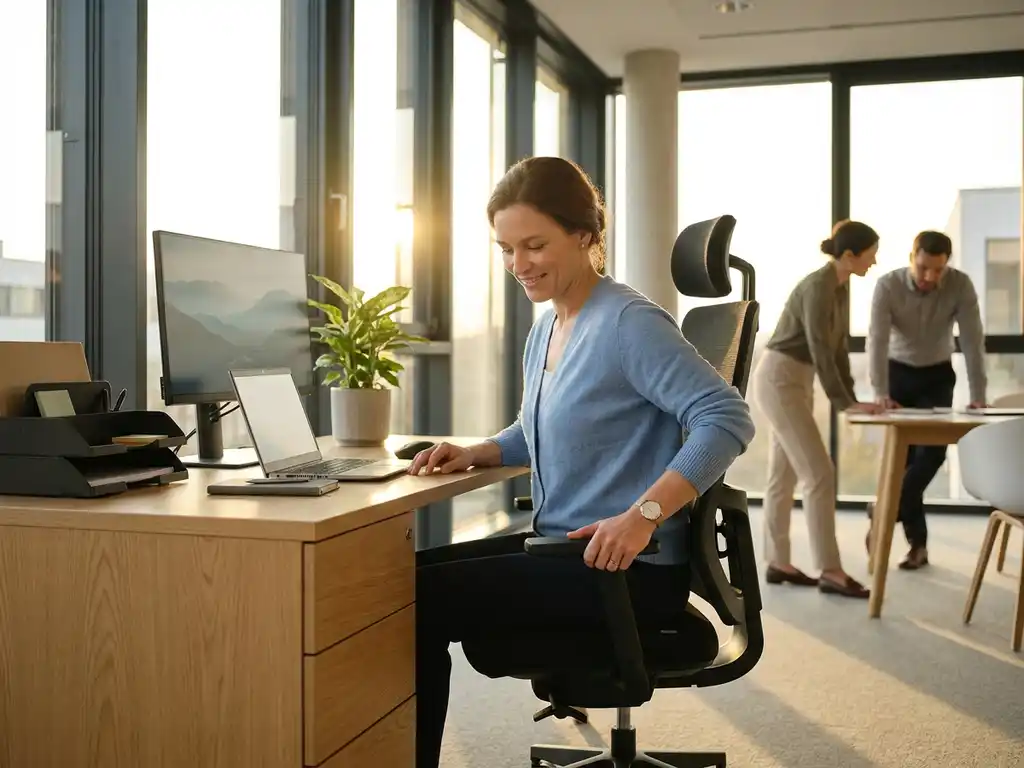
Workspace booking directly improves employee satisfaction by giving people control over their work environment and reducing daily frustrations. When employees can reserve desks, meeting rooms, and collaborative spaces that match their tasks, they experience less stress and feel more empowered at work. This autonomy creates a positive workplace culture where people feel valued and trusted to make decisions about where and how they work best.
What exactly is workspace booking and how does it affect daily work life?
Workspace booking is a digital system that allows employees to reserve desks, meeting rooms, and other office spaces in advance through apps or online platforms. These systems transform chaotic office environments into organised, predictable spaces where people know exactly where they’ll work each day.
The impact on daily work life is immediate and significant. Instead of arriving at the office and wandering around looking for an available desk, employees start their day with certainty. They know where they’re sitting, which colleagues will be nearby, and that their chosen space matches their planned activities.
This predictability reduces morning stress and allows people to mentally prepare for their workday. Employees can plan their commute, pack appropriate materials, and even coordinate lunch plans with nearby teammates. The simple act of knowing where you’ll work eliminates one of the most common sources of workplace anxiety in flexible office environments.
Booking systems also help people match their work tasks with appropriate environments. Someone doing focused analytical work can reserve a quiet zone, while teams planning collaborative projects can secure spaces designed for group interaction. This alignment between task and environment naturally improves both comfort and productivity.
Why do employees feel more satisfied when they can choose their workspace?
Choice creates a sense of ownership and control that directly impacts job satisfaction. When employees can select their workspace, they feel trusted by their organisation and empowered to make decisions that affect their daily experience. This autonomy satisfies a fundamental psychological need for control over one’s environment.
The ability to choose also allows people to optimise their work experience based on personal preferences and task requirements. Some employees thrive in bustling, energetic areas, while others need quiet, secluded spots for deep concentration. Modern products accommodate these individual differences rather than forcing everyone into the same environment.
This personalisation extends beyond just physical comfort. When people can choose spaces that align with their work style, they feel more authentic and comfortable at work. A naturally social person can book collaborative areas, while someone who prefers independence can select individual workstations. This alignment between personality and environment contributes to overall workplace culture satisfaction.
Choice also demonstrates organisational trust. When companies implement booking systems, they’re essentially saying, “We trust you to make good decisions about where and how you work.” This trust builds employee engagement and loyalty, as people feel valued as capable professionals rather than resources to be managed.
How does workspace booking reduce workplace frustration and conflict?
Booking systems eliminate the most common sources of office tension by removing uncertainty and competition for resources. Without reservations, employees often arrive at work to find their preferred spaces occupied, leading to frustration and sometimes awkward confrontations about desk ownership or meeting room availability.
The “desk hunting” phenomenon creates significant stress and wastes valuable time. Employees might spend 10–15 minutes each morning searching for suitable workspace, during which their energy and enthusiasm for the day gradually diminish. Booking systems eliminate this entirely by guaranteeing space availability.
Meeting room conflicts become particularly problematic in busy offices. Teams arrive for scheduled discussions only to find their intended space occupied by another group. This leads to rushed relocations, delayed meetings, and interpersonal tension. Reservation systems prevent these situations by providing clear, enforceable space allocation.
Booking platforms also reduce passive-aggressive behaviours around space usage. Without clear reservation systems, people often resort to “claiming” desks with personal items or hovering around meeting rooms waiting for occupants to leave. These behaviours create uncomfortable workplace dynamics and contribute to negative workplace culture. Formal booking processes replace these informal territorial behaviours with clear, fair allocation methods.
The transparency of booking systems also helps manage expectations. Everyone can see space availability and plan accordingly, rather than hoping their preferred locations will be free when they arrive.
What’s the connection between flexible workspace access and employee productivity?
Flexible workspace access allows employees to match their physical environment with their work tasks, leading to improved focus and performance. Different activities require different settings, and booking systems enable people to select spaces that optimise their productivity for specific work types.
Concentration-heavy tasks benefit from quiet, distraction-free environments, while collaborative work thrives in open, interactive spaces. When employees can book appropriate environments for their planned activities, they naturally perform better because their surroundings support rather than hinder their work style.
The psychological impact of choice also enhances productivity. When people feel in control of their environment, they experience less stress and can dedicate more mental energy to their actual work rather than adapting to unsuitable conditions. This mental clarity translates directly into better performance and output quality.
Booking systems also improve time management by eliminating workspace-related delays. Employees spend less time searching for suitable spaces and more time on productive activities. Meeting efficiency improves when teams can reliably access appropriate rooms with the necessary technology and layout configurations through seamless integrations.
The ability to plan workspace usage also enables better work scheduling. Someone with back-to-back video calls can book a private office, while someone doing creative brainstorming can reserve collaborative areas. This strategic space usage optimises both individual and team productivity throughout the day.
How do workspace booking systems help employees feel more connected to their colleagues?
Modern booking platforms include colleague location features that help employees coordinate their office presence and maintain social connections in hybrid work environments. These systems show who’s booking nearby spaces, making it easier for teams to plan collaborative days and maintain relationships.
The visibility of colleague locations encourages spontaneous interactions and informal collaboration. When employees can see that teammates are working in adjacent areas, they’re more likely to coordinate breaks, share impromptu ideas, or simply enjoy social connection during the workday. These casual interactions are vital for building workplace relationships and maintaining team cohesion.
Booking systems also facilitate intentional collaboration by making it easy for teams to reserve adjacent spaces or shared meeting areas. Rather than hoping colleagues will be nearby, teams can coordinate their bookings to ensure productive face-to-face time when they’re all in the office.
For hybrid workers who split time between home and office, booking platforms help combat isolation by providing visibility into when colleagues will be present. This information helps people make informed decisions about when to come to the office for maximum social and collaborative benefit.
The shared experience of using booking systems also creates common ground among employees. Everyone understands the platform, shares similar booking experiences, and participates in the same space allocation process. This shared system becomes part of the workplace culture and provides a foundation for workplace conversations and connections.
How GoBright helps with workspace booking and employee satisfaction
GoBright provides comprehensive workspace booking solutions that transform office environments into employee-centric spaces where satisfaction naturally flourishes. Our platform addresses every aspect of workspace management to create positive employee experiences:
• Intuitive booking interface that employees can master in minutes, eliminating technology barriers and ensuring immediate adoption
• Real-time space availability with instant updates that prevent double bookings and reduce workplace frustration
• Colleague location features that help teams coordinate their office presence and maintain social connections
• Smart space recommendations that match employees with optimal environments based on their planned activities
• Mobile-first design that allows booking and modifications from anywhere, giving employees complete control over their workspace experience
• Analytics and insights that help organisations optimise their office layouts based on actual employee preferences and usage patterns
Ready to transform your workplace into an environment where employees genuinely enjoy coming to work? Contact GoBright today to discover how our workspace booking solutions can boost employee satisfaction and create the flexible, employee-centric office culture your team deserves.