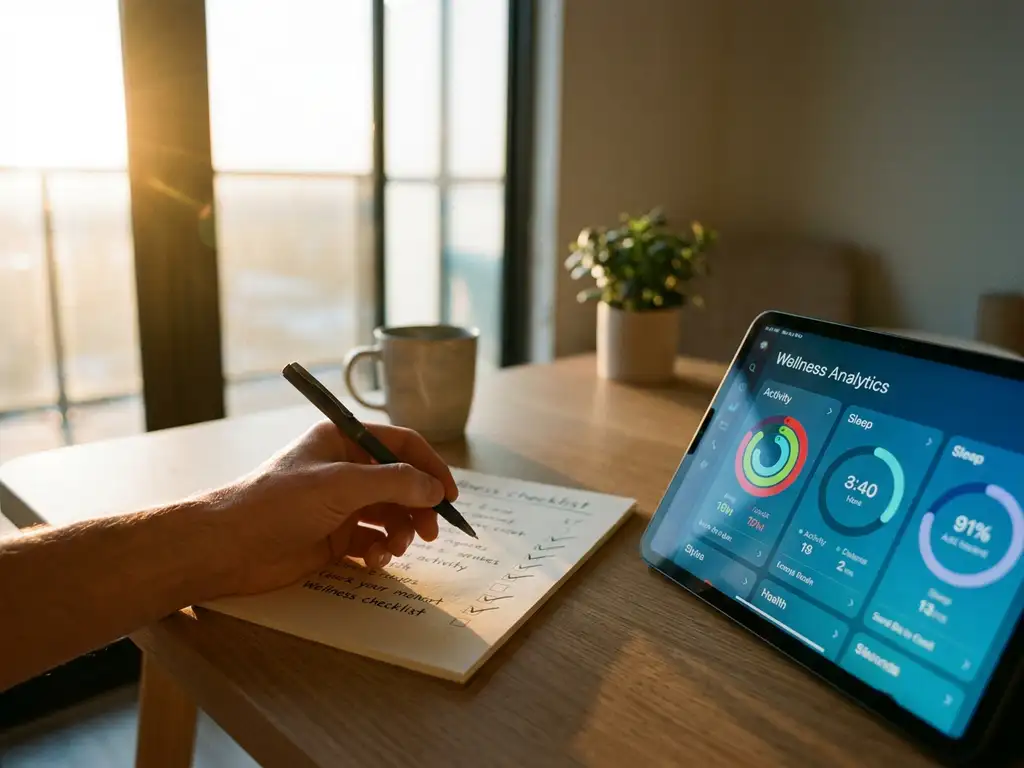
Traditional office wellbeing solutions focus on basic amenities and static programmes, while smart office solutions use technology to proactively monitor and adapt to employee needs in real time. Traditional approaches react to problems after they occur, whereas smart systems prevent issues through continuous data collection and automated environmental adjustments. This shift becomes particularly important in hybrid work environments, where employee patterns constantly change.
What exactly are traditional office wellbeing solutions?
Traditional office wellbeing solutions are conventional workplace wellness approaches that have been standard in offices for decades. These include basic amenities like break rooms, static fitness programmes, ergonomic furniture, and periodic health initiatives such as wellness seminars or annual health screenings.
These solutions typically operate on a one-size-fits-all model with fixed implementations across the workplace. They might include standard lighting systems, basic climate control, designated quiet areas, and traditional wellness programmes that employees can choose to participate in. The approach focuses on providing general amenities and hoping employees will use them when needed.
Traditional wellbeing initiatives often rely on manual processes and human intervention. For example, employees must report comfort issues to facilities teams, request adjustments to their workspace, or actively seek out wellness resources. The emphasis is on providing static resources rather than adapting to individual or changing needs throughout the workday.
How do smart office wellbeing solutions actually work?
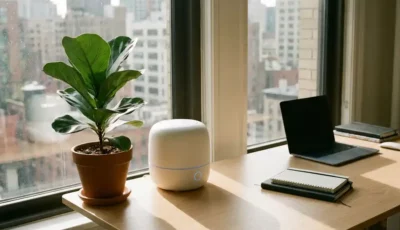
Smart office wellbeing solutions use IoT sensors, data analytics, and automated systems to monitor and respond to employee needs in real time. These technology-driven systems collect continuous data about environmental conditions, space usage, and employee preferences to create adaptive workplace experiences.
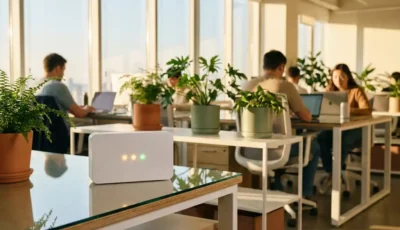
The technology works through interconnected devices that gather information about air quality, lighting levels, noise, temperature, and occupancy patterns. This data feeds into integrated platforms that can automatically adjust environmental controls, suggest optimal workspace locations, and provide personalised comfort settings for individual employees.
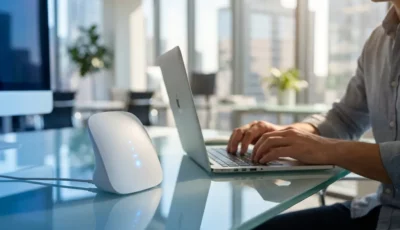
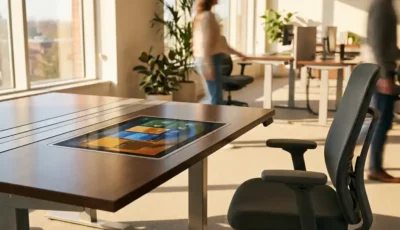
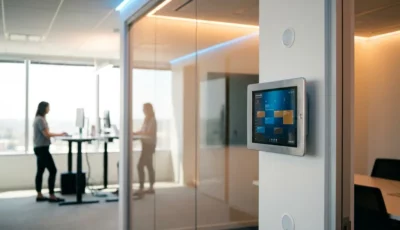
Smart workplace hardware plays a crucial role in this ecosystem. Devices like interactive touchscreens can store personal height preferences for sit-stand desks, automatically adjusting workstations when employees check in. Occupancy sensors provide real-time data about space utilisation, while integrated systems can control power consumption, lighting, and climate based on actual usage patterns rather than fixed schedules.
These solutions integrate seamlessly with existing workplace tools like Microsoft Teams, Outlook, and Google Workspace through various integrations, creating a unified experience where employee wellbeing in the workplace becomes part of the natural workflow rather than an additional consideration.
What’s the main difference between reactive and proactive wellness approaches?
Reactive wellness approaches address problems after they occur, while proactive systems prevent issues through continuous monitoring and predictive insights. Traditional reactive methods wait for employee complaints about temperature, lighting, or comfort before making adjustments, often resulting in prolonged discomfort and reduced productivity.
Proactive wellness systems continuously collect environmental and usage data to identify potential issues before they impact employees. For example, rather than waiting for someone to report that a meeting room is too warm, smart sensors monitor temperature and air quality, automatically adjusting climate control to maintain optimal conditions.
The predictive element of proactive systems allows facility managers to anticipate needs based on patterns. If data shows that certain areas consistently become uncomfortable during afternoon hours, the system can pre-emptively adjust environmental controls. This approach extends to space planning, where occupancy data helps predict when areas might become overcrowded, allowing for better resource allocation.
Smart office technology enables this shift by providing the continuous data stream necessary for proactive decision-making. Instead of relying on periodic surveys or complaint-based feedback, organisations gain real-time insights into how their workplace affects employee comfort and productivity.
Why do smart wellbeing solutions matter more in hybrid work environments?
Hybrid work environments create constantly changing occupancy patterns and individual employee schedules that traditional static solutions cannot accommodate effectively. Smart systems adapt to these variations by providing personalised experiences regardless of when or where employees choose to work in the office.
In hybrid models, employees might use different desks each day, work varied schedules, or have specific preferences that need to be accommodated quickly. Smart solutions can store individual preferences and apply them instantly when someone checks into a workspace, whether it is desk height settings, lighting preferences, or temperature controls.
The unpredictable nature of hybrid attendance makes traditional resource planning ineffective. Smart systems provide real-time data about actual space usage, allowing facility managers to optimise energy consumption, cleaning schedules, and resource allocation based on real occupancy rather than assumptions about who might be in the office.
These solutions also support the flexibility that hybrid workers expect. Through integrated platforms, employees can book desks, meeting rooms, and parking spaces while checking availability in real time, ensuring their limited office time is productive and comfortable. The system can even suggest optimal workspace locations based on their planned activities and the current office environment.
How do you measure the effectiveness of different wellbeing approaches?
Effectiveness measurement differs significantly between traditional and smart wellbeing approaches. Traditional methods rely on periodic employee surveys, participation rates in wellness programmes, and reactive metrics like complaint frequencies or sick leave statistics that provide limited real-time insights.
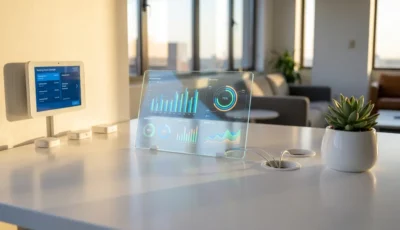
Smart office solutions provide continuous, objective data about workplace conditions and usage patterns. Key metrics include environmental quality measurements (air quality, lighting levels, noise), space utilisation rates, energy consumption patterns, and employee interaction data with workplace systems.
Real-time analytics allow facility managers to correlate environmental conditions with productivity indicators and employee satisfaction. For example, they can identify whether certain temperature ranges, lighting conditions, or noise levels correspond with higher workspace utilisation or longer employee presence in specific areas.
The measurement approach also extends to predictive analytics, where patterns in the data help identify trends before they become problems. This might include recognising that certain areas consistently become uncomfortable during specific times, or that particular environmental conditions correlate with increased employee satisfaction.
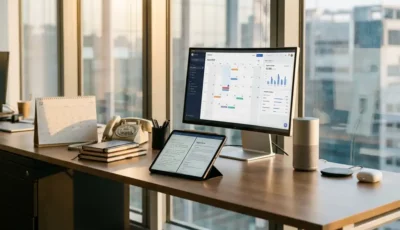
Modern measurement systems integrate multiple data sources to provide comprehensive insights. Occupancy sensors, environmental monitors, and user interaction data combine to create a complete picture of how workplace conditions affect employee wellbeing in the workplace, enabling data-driven decisions about space optimisation and resource allocation.
How GoBright helps with smart office wellbeing solutions
GoBright provides comprehensive smart office technology that transforms traditional workplace wellbeing into a data-driven, proactive experience. Our integrated platform delivers the solutions organisations need to create healthier, more productive work environments through intelligent automation and real-time insights.
Our solutions address key workplace wellbeing challenges through:
- Real-time environmental monitoring – IoT sensors track air quality, temperature, lighting, and noise levels to maintain optimal comfort conditions automatically
- Personalised workspace experiences – Interactive touchscreens store individual preferences for desk heights, lighting, and climate settings, applying them instantly when employees check in
- Intelligent space optimisation – Occupancy sensors and analytics provide insights into space utilisation patterns, helping facility managers allocate resources more effectively
- Seamless integration – Our platform connects with existing workplace tools like Microsoft Teams and Google Workspace to create unified experiences
- Predictive insights – Advanced analytics identify potential comfort issues before they impact employees, enabling proactive adjustments
Ready to transform your workplace wellbeing strategy with smart office technology? Contact us today to discover how our solutions can create a healthier, more productive work environment for your organisation.