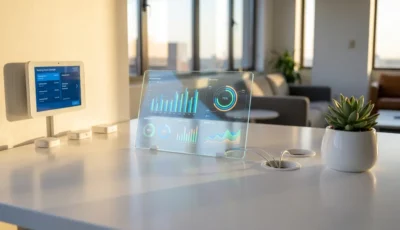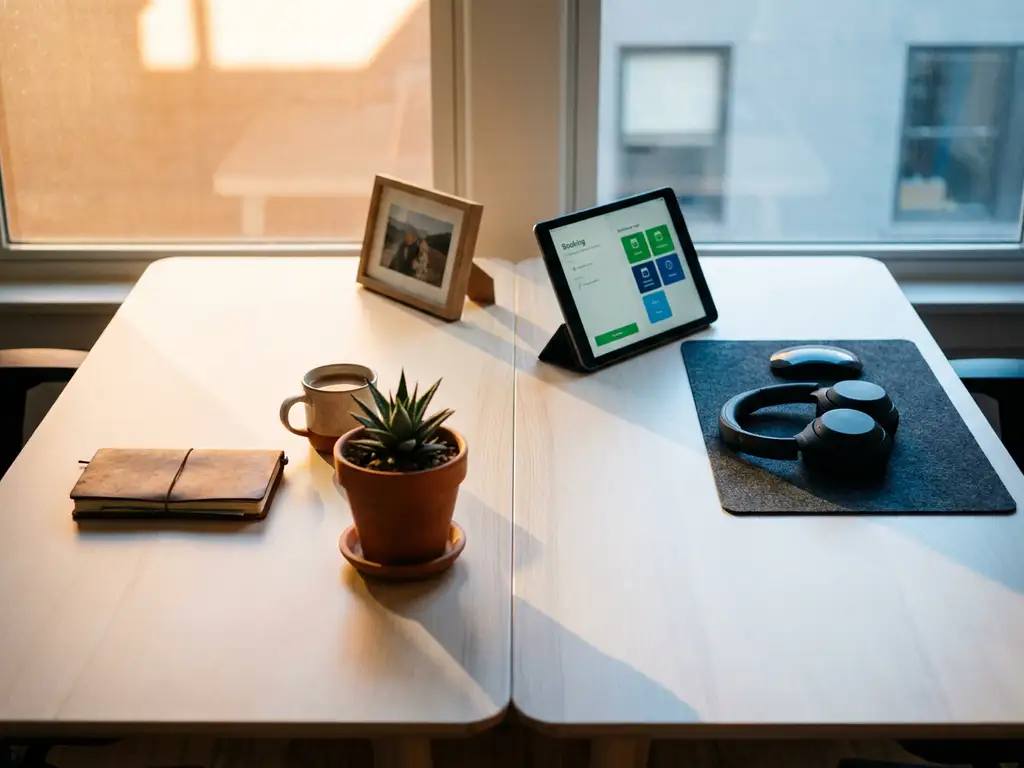
Workplace culture represents the shared values, beliefs, and behaviours that shape how people work together, while workspace management focuses on the physical and technological systems that enable efficient office operations. Though closely related, workplace culture lives in the attitudes and interactions of your team, whereas workspace management handles the practical infrastructure, such as desk bookings, room scheduling, and facility coordination, that supports daily work activities.
What exactly is workplace culture and how does it differ from workspace management?
Workplace culture encompasses the shared values, attitudes, and behaviours that define how your organisation operates on a human level. It includes communication styles, decision-making processes, collaboration approaches, and the unwritten rules that guide daily interactions between colleagues.
Think of workplace culture as the personality of your organisation. It determines whether people feel comfortable speaking up in meetings, how they handle disagreements, whether they prioritise individual achievement or team success, and which behaviours get recognised and rewarded.
Workspace management, on the other hand, deals with the operational systems that keep your physical and digital workplace running smoothly. This includes managing office space allocation, booking systems for desks and meeting rooms, visitor management, parking coordination, and the technology products that supports these functions.
The key difference lies in focus: workplace culture shapes how people work together, while workspace management provides the tools and systems that enable work to happen efficiently. Culture is intangible and emerges from human behaviour, while workspace management involves concrete processes and technologies you can measure and optimise.
Why do so many people confuse workplace culture with workspace management?
People often mix up workplace culture and workspace management because both directly impact employee experience and daily work satisfaction. When your desk booking system frustrates people or meeting rooms are consistently double-booked, it affects morale and productivity just as cultural issues do.
The rise of hybrid work has particularly blurred these lines. Traditional workplace culture developed when everyone shared the same physical space, making cultural norms easier to establish and maintain. Now, with people working from different locations, workspace management tools such as desk booking and digital communication platforms have become important vehicles for maintaining cultural connection.
Many organisations also market their workspace technology as culture-building tools. You’ll hear about “collaboration platforms” and “community-building apps” that promise to improve workplace culture through better systems. This marketing language reinforces the perception that technology and culture are the same thing.
Additionally, both workplace culture and workspace management influence similar outcomes: employee engagement, productivity, retention, and satisfaction. When problems arise in these areas, it’s not always immediately clear whether the root cause is cultural (such as poor communication habits) or operational (such as inefficient booking systems).
How does workspace management actually support workplace culture?
Effective workspace management creates the conditions in which positive workplace culture can thrive by removing friction from daily operations and enabling the behaviours your culture values. When systems work smoothly, people can focus on meaningful work and genuine collaboration rather than wrestling with logistics.
Consider how desk booking systems can reinforce cultural values around flexibility and autonomy. If your culture emphasises trust and employee choice, providing easy tools for people to book workspaces when and where they need them demonstrates these values in action. The technology becomes a tangible expression of cultural principles.
Meeting room management also plays a cultural role. Reliable booking systems that prevent double-bookings and provide clear availability information show respect for people’s time. When combined with usage analytics, these systems help ensure meeting spaces are distributed fairly, supporting cultural values around equity and inclusion.
Workplace analytics from management systems can reinforce a culture of transparency by sharing data about space utilisation and office attendance patterns. This information helps teams make informed decisions about collaboration and gives everyone insight into how the workplace is actually being used.
The key is alignment: workspace management supports culture when the systems reflect and enable your organisation’s stated values. If your culture prizes collaboration but your booking system makes it difficult to find and reserve team spaces, the technology works against your cultural goals.
What happens when workplace culture and workspace management don’t align?
Misalignment between workplace culture and workspace management creates daily friction that undermines both employee satisfaction and operational efficiency. People experience constant tension between what the organisation says it values and what the systems actually enable or encourage.
Consider an organisation that promotes a collaborative culture but implements workspace management systems that make group work difficult. If booking shared spaces requires complex approval processes or team areas are consistently unavailable, people will naturally default to individual work regardless of cultural messaging about collaboration.
The opposite scenario is equally problematic. Some organisations invest heavily in collaborative workspace technology and flexible booking systems while maintaining hierarchical cultural practices. Employees might have access to beautiful shared spaces and sophisticated booking tools, but feel uncomfortable using them due to unwritten rules about who can book premium spaces or when it’s appropriate to work in different areas.
In hybrid work environments, misalignment often shows up as systems that don’t support the cultural goal of maintaining team connection. If your culture emphasises relationship-building but your workspace management makes it difficult for team members to coordinate their office days or find each other when they’re in the building, the technology actively works against cultural objectives.
These misalignments compound over time. Employees become frustrated with systems that don’t match their work reality, leading to workarounds that further disconnect operational processes from cultural intentions. Eventually, people stop trusting both the technology and the cultural messaging, creating broader engagement and retention problems.
How can you improve both workplace culture and workspace management together?
Start by identifying your core cultural values and then audit your workspace management systems to see how well they support these principles. Look for gaps where technology creates barriers to the behaviours you want to encourage, and opportunities where better systems could reinforce positive cultural practices.
Involve employees in both cultural and operational discussions. Ask people about their daily workspace frustrations and how current systems affect their ability to collaborate, focus, or connect with colleagues. Often, seemingly minor operational improvements can have significant cultural impact.
Design workspace policies that reflect cultural values. If autonomy is important to your culture, implement flexible booking systems that give people genuine choice about when and where they work. If transparency matters, share workspace utilisation data and involve teams in decisions about space allocation and office policies.
Use workspace management data to support cultural initiatives. Analytics about collaboration patterns, space usage, and office attendance can inform decisions about team building, communication strategies, and cultural development programmes. The data helps you understand whether cultural initiatives are translating into actual behavioural changes.
Create feedback loops between cultural and operational improvements. When you implement new workspace management tools, monitor their impact on cultural indicators such as employee satisfaction, collaboration frequency, and team cohesion. Similarly, when working on cultural development, consider which operational changes might support and sustain the behavioural shifts you’re trying to create.
Remember that both workplace culture and workspace management evolve continuously. Regular assessment and adjustment ensure they remain aligned as your organisation grows and changes. The goal is to create a workplace where the systems genuinely enable the culture you want to build, and where thoughtful integrations between different workplace technologies support seamless operations.
How GoBright helps with workplace culture and workspace management alignment
GoBright provides comprehensive workspace management solutions that seamlessly support positive workplace culture in hybrid work environments. Our integrated platform addresses the critical alignment between operational systems and cultural values by delivering:
- Intuitive desk and room booking systems that reinforce cultural values around flexibility, autonomy, and respect for employee choice
- Real-time workplace analytics that promote transparency and data-driven decision-making about space utilisation and team collaboration patterns
- Seamless visitor management that creates welcoming experiences while maintaining security and professionalism
- Smart office integrations that eliminate daily friction points and enable teams to focus on meaningful work rather than operational logistics
- Hybrid work coordination tools that help team members connect and collaborate effectively across different work locations
Our solutions are designed to evolve with your organisation, ensuring that workspace management systems continue to support and strengthen your workplace culture as your team grows and changes. Ready to create a workplace where technology truly enables your cultural goals? Contact GoBright today to discover how our smart office solutions can transform your workplace experience.