Smart office technology creates a complex relationship with employee wellbeing in the workplace, offering both significant mental health benefits and potential challenges. When implemented thoughtfully, smart office solutions can reduce workplace stress by eliminating daily frustrations like searching for available meeting rooms or adjusting desk heights manually. However, poorly managed technology rollouts may increase anxiety through privacy concerns or overwhelming learning curves.
How does smart office technology actually affect employee mental health?
Smart office technology directly impacts employee mental health through both stress reduction and potential anxiety triggers. The positive effects include streamlined daily processes, increased control over work environments, and reduced uncertainty about workspace availability. However, technology overwhelm, privacy concerns, and adaptation challenges can create negative psychological impacts if not properly managed.
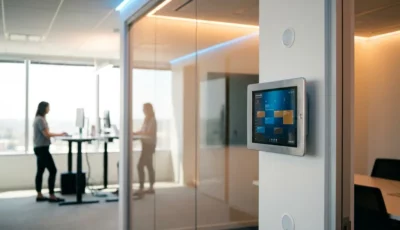
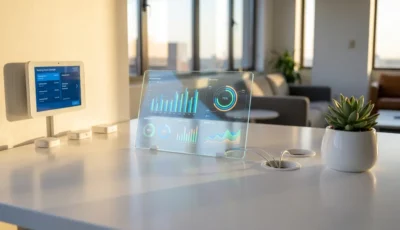
The psychological benefits emerge when technology removes daily friction points that accumulate stress throughout the workday. Interactive touchscreen devices that automatically adjust desk heights to personal preferences eliminate the frustration of manual adjustments, while real-time status indicators help employees quickly locate suitable workspaces without wandering through offices.
Privacy concerns represent the most significant mental health challenge, particularly with occupancy sensors and check-in systems. Employees may feel monitored or surveilled, creating anxiety about their work patterns being tracked. The key lies in transparent communication about data usage and ensuring technology enhances rather than monitors employee behaviour.
Cognitive overload occurs when multiple new systems are introduced simultaneously without adequate training. The mental effort required to learn new interfaces, remember different processes, and adapt to changed workflows can temporarily increase stress levels until familiarity develops.
What are the biggest mental health challenges that smart office solutions can address?
Smart office technology effectively addresses workspace uncertainty, environmental control issues, social isolation in hybrid settings, and inefficient processes that create daily stress. These solutions provide employees with predictable, controllable work environments that support psychological wellbeing through reduced anxiety and increased autonomy.
Workspace uncertainty creates significant daily stress for employees in flexible office environments. The anxiety of not finding suitable workspace, arriving to discover booked rooms are empty, or struggling with unfamiliar equipment affects productivity and wellbeing. Smart booking systems with real-time availability and automatic confirmations eliminate these uncertainties.
Environmental control directly impacts psychological comfort and stress levels. Traditional offices often leave employees feeling powerless over their physical workspace. Smart solutions that remember individual preferences for desk height, lighting, or temperature settings provide a sense of control that supports mental wellbeing and reduces environmental stressors.
Social isolation in hybrid work models poses growing mental health challenges. Digital signage systems that display colleague locations, integrated platforms showing who’s working where, and seamless booking systems that facilitate in-person collaboration help maintain social connections essential for psychological wellbeing.
Process inefficiencies accumulate daily stress through repeated frustrations with booking systems, equipment setup, or facility issues. Streamlined workflows, one-touch solutions, and integrated reporting systems reduce these micro-stressors that compound over time to impact overall employee wellbeing in the workplace.
Why do some employees feel anxious about smart office technology implementation?
Employee anxiety about smart office technology stems from privacy concerns, fear of increased monitoring, learning curve stress, and worry about job security implications. These psychological barriers are natural responses to workplace change and can be addressed through transparent communication, gradual implementation, and comprehensive support systems.
Privacy fears represent the primary anxiety source, particularly regarding occupancy sensors and check-in systems. Employees worry about surveillance, data collection, and how their work patterns might be analysed or used in performance evaluations. These concerns are heightened when technology implementation lacks clear communication about data usage and protection measures.
Learning curve stress affects employees differently based on their technology comfort levels and existing workloads. The mental effort required to master new interfaces while maintaining productivity can feel overwhelming, particularly for employees already managing high stress levels or those less comfortable with technology adoption.
Job security concerns arise when automation or smart systems appear to replace human functions. Employees may worry that technology implementation signals future workforce reductions or that their inability to quickly adapt might affect their employment security.
Change resistance is a natural psychological response to workplace modifications. Even beneficial changes can trigger anxiety in employees who have established comfortable routines and processes. The uncertainty period during technology rollouts can temporarily increase stress levels regardless of long-term benefits.
How can organisations implement smart office technology to support rather than harm mental wellbeing?
Successful implementation requires gradual rollouts, comprehensive training programmes, transparent privacy policies, and maintaining human connection elements. Organisations should prioritise employee psychological comfort through clear communication, adequate support systems, and feedback mechanisms that ensure technology enhances rather than replaces human workplace experiences.
Gradual implementation reduces anxiety by allowing employees to adapt to changes incrementally rather than facing overwhelming system overhauls. Introducing one solution at a time, such as starting with desk booking before adding visitor management, helps employees build confidence and competence progressively.
Comprehensive training programmes must address both technical skills and psychological comfort. Training should include hands-on practice, clear documentation, ongoing support channels, and reassurance about the technology’s purpose in supporting rather than monitoring employee work.
Privacy protection requires transparent policies explaining data collection, usage, and protection measures. Employees need a clear understanding of what information is gathered, how it’s used for facility optimisation rather than individual monitoring, and what controls they have over their data.
Human connection preservation ensures technology enhances rather than replaces interpersonal workplace elements. Digital signage can display team achievements alongside wayfinding information, while booking systems can facilitate rather than replace spontaneous collaboration opportunities.
Feedback mechanisms allow ongoing adjustment based on employee experiences and concerns. Regular surveys, suggestion systems, and open communication channels help identify issues early and demonstrate organisational commitment to employee wellbeing throughout the technology adoption process.
How GoBright helps with employee wellbeing in smart offices
GoBright provides comprehensive smart office solutions that prioritise employee mental health and workplace satisfaction through thoughtfully designed technology. Our platform addresses the key wellbeing challenges by offering:
- Stress-free workspace booking with real-time availability and automatic confirmations that eliminate daily uncertainty
- Privacy-focused occupancy monitoring that optimises space usage without individual surveillance or performance tracking
- Intuitive interfaces designed for ease of use across all technology comfort levels, reducing learning curve anxiety
- Gradual implementation support with comprehensive training programmes and ongoing technical assistance
- Transparent data practices with clear policies about information collection and usage for facility optimisation
- Integration capabilities that work with existing systems to minimise workplace disruption
Ready to create a smart office environment that truly supports employee wellbeing? Contact our team to discover how our solutions can enhance your workplace while prioritising mental health and employee satisfaction.