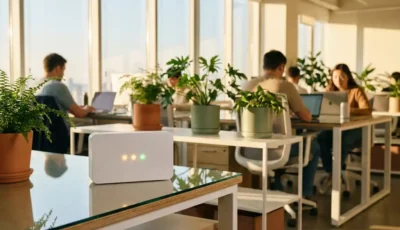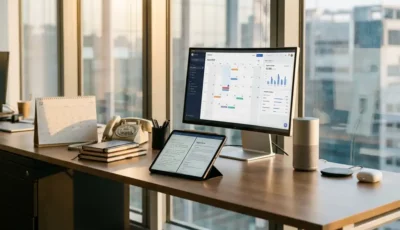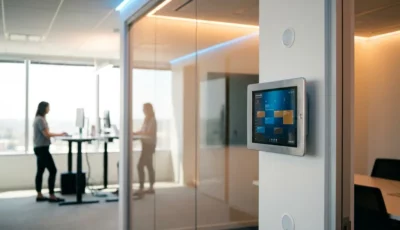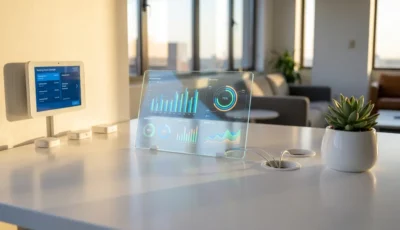
Temperature control technology encompasses smart thermostats, zoned HVAC systems, and IoT sensors that automatically adjust workplace climate based on occupancy and preferences. This technology directly impacts employee well-being in the workplace, with comfortable temperatures improving productivity, job satisfaction, and overall health. Poor thermal comfort can reduce work performance by up to 6% and increase sick leave, making temperature management a critical component of smart office solutions.
What is temperature control technology and why does it matter for employee comfort?
Temperature control technology includes smart thermostats, zoned HVAC systems, IoT occupancy sensors, and automated climate management platforms that maintain optimal thermal conditions throughout the workplace. These systems use real-time data to adjust heating and cooling based on occupancy levels, time of day, and individual preferences, creating personalised comfort zones within larger office spaces.
The connection between thermal comfort and employee well-being in the workplace is both physiological and psychological. When temperatures are comfortable, employees experience better concentration, reduced stress levels, and improved cognitive function. Comfortable thermal conditions also support better sleep quality, which translates to higher energy levels and job satisfaction during work hours.
Modern temperature control systems integrate with workplace management platforms to provide facility managers with comprehensive insights into how climate affects space utilisation and employee behaviour. This data-driven approach allows organisations to optimise both comfort and energy efficiency, supporting sustainability goals while maintaining high levels of employee satisfaction.
The importance of temperature control extends beyond basic comfort to encompass workplace equity and inclusivity. Different individuals have varying thermal preferences based on factors such as metabolism, clothing choices, and personal health conditions. Advanced temperature control technology accommodates these differences through personalised settings and localised climate zones.
How does poor temperature control affect employee productivity and health?
Poor temperature control reduces cognitive performance, increases stress hormones, and can decrease productivity by 6–9% when temperatures fall outside the optimal 20–24°C range. Employees in uncomfortable thermal conditions report higher levels of fatigue, difficulty concentrating, and increased irritability, which affects both individual performance and team dynamics.
The physiological impacts of inadequate temperature control are significant. When offices are too cold, employees experience reduced dexterity and slower reaction times, particularly affecting tasks requiring fine motor skills such as typing or detailed manual work. Conversely, excessive heat leads to dehydration, increased heart rate, and mental fatigue that impairs decision-making abilities.
Common workplace temperature complaints include uneven heating and cooling, with some areas too hot while others remain cold. This creates a cycle of employee dissatisfaction in which individuals spend time adjusting personal comfort measures rather than focusing on work tasks. The distraction factor alone can reduce overall team productivity and workplace morale.
Smart office technology addresses these issues by providing consistent, automated climate control that eliminates temperature-related distractions. However, without proper systems in place, organisations face hidden costs including increased sick leave, higher staff turnover, and reduced employee engagement scores.
Health issues related to poor climate control extend beyond immediate discomfort. Poorly maintained HVAC systems can circulate allergens and pollutants, while extreme temperatures can exacerbate existing health conditions such as arthritis, respiratory problems, and cardiovascular issues. These factors contribute to increased healthcare costs and absenteeism rates.
What are the key features of modern workplace temperature control systems?
Modern workplace temperature control systems feature automated climate zones, occupancy-based adjustments, individual user controls through mobile apps, and seamless integrations with workplace management platforms. These systems use IoT sensors to monitor real-time conditions and automatically adjust heating and cooling to maintain optimal comfort levels while minimising energy consumption.
Automated climate zones represent a significant advancement in temperature management, allowing different areas of the office to maintain distinct temperature settings based on usage patterns and occupancy levels. This zoning capability is particularly valuable in activity-based working environments where different spaces serve various functions requiring specific thermal conditions.
Occupancy-based adjustments utilise sensor technology to detect when spaces are in use and pre-condition areas before employees arrive. This proactive approach ensures immediate comfort while avoiding energy waste in unoccupied zones. Smart office solutions can integrate occupancy data with booking systems to predict heating and cooling needs throughout the day.
Individual user controls have evolved beyond simple thermostats to include mobile app interfaces that allow employees to request temperature adjustments for their specific work areas. These systems balance individual preferences with overall energy efficiency, often using algorithms to find optimal settings that satisfy the majority of users in shared spaces.
Integration capabilities with workplace management platforms enable comprehensive facility oversight, combining temperature data with space utilisation metrics, energy consumption patterns, and employee feedback. This holistic approach supports data-driven decision-making for facility optimisation and long-term workplace planning.
Advanced systems also incorporate predictive analytics that learn from historical data and weather patterns to anticipate heating and cooling needs. This machine learning capability improves both comfort consistency and energy efficiency over time, adapting to seasonal changes and evolving workplace usage patterns.
How can facility managers optimise temperature control for hybrid work environments?
Facility managers can optimise temperature control in hybrid environments by implementing occupancy-based climate scheduling, using real-time booking data to pre-condition spaces, and establishing energy-efficient protocols that adjust heating and cooling based on actual workspace utilisation rather than fixed schedules.
The challenge of hybrid work environments lies in unpredictable occupancy patterns, where traditional heating and cooling schedules no longer align with actual space usage. Successful optimisation requires integrating temperature control systems with desk booking platforms and meeting room management tools to create dynamic climate responses based on real-time data.
Energy-efficient approaches include implementing buffer zones that maintain minimal climate control in unoccupied areas while quickly bringing active spaces to comfortable temperatures when bookings are detected. This strategy can reduce energy consumption by 20–30% compared with maintaining consistent temperatures throughout the entire facility.
Data-driven temperature optimisation involves analysing patterns of space usage, employee preferences, and energy consumption to identify opportunities for improvement. Facility managers can use this information to refine climate zones, adjust scheduling algorithms, and make informed decisions about HVAC system upgrades or modifications.
Balancing comfort with sustainability goals requires establishing clear policies for temperature ranges and energy usage while maintaining flexibility for exceptional circumstances. Many organisations implement seasonal adjustment protocols and encourage employee education about energy-conscious behaviours without compromising essential comfort standards.
We recommend integrating temperature control systems with comprehensive workplace management platforms that provide unified oversight of all facility operations. This integration enables facility managers to correlate temperature data with productivity metrics, employee satisfaction surveys, and energy costs to demonstrate the business value of optimal climate control investments. For expert guidance on implementing these solutions, organisations can contact GoBright to explore customised temperature control options.
How GoBright helps with workplace temperature control
GoBright provides comprehensive smart office solutions that integrate temperature control technology with occupancy management and space booking systems to create optimal workplace environments. Our platform delivers:
- Real-time occupancy insights that automatically trigger climate adjustments based on actual space usage
- Seamless integration with existing HVAC systems to enable intelligent, energy-efficient temperature management
- Data-driven analytics that help facility managers optimise comfort settings while reducing energy costs
- Mobile app controls that allow employees to request temperature adjustments for their specific work areas
- Predictive scheduling that pre-conditions spaces based on booking data and usage patterns
Transform your workplace comfort and energy efficiency with GoBright’s integrated temperature control solutions. Contact us today to schedule a consultation and discover how our smart office technology can create the perfect climate for productivity and employee satisfaction.
Modern workplace temperature control technology plays a vital role in supporting employee well-being, productivity, and satisfaction in today’s flexible work environments. By implementing smart systems that adapt to changing occupancy patterns and individual preferences, organisations can create comfortable, efficient workspaces that support both human performance and sustainability objectives. The key lies in choosing integrated products that provide comprehensive data insights while maintaining the flexibility to accommodate evolving workplace needs, backed by providers with proven expertise in smart office innovation.