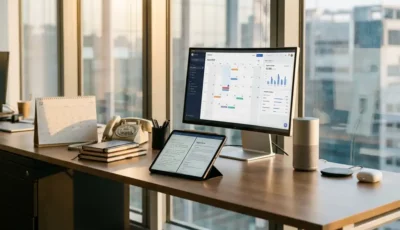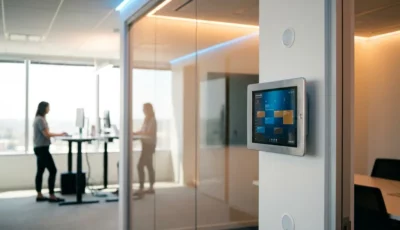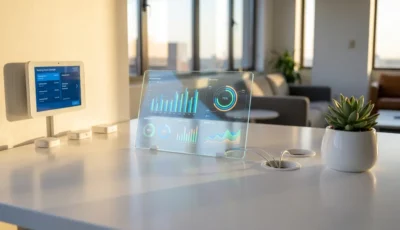
Workspace management tools transform workplace culture by creating transparent, collaborative environments where employees feel empowered to make decisions about their work experience. These digital platforms encompass desk booking, room scheduling, visitor management, and workplace analytics that collectively foster trust, flexibility, and employee satisfaction. Modern organisations use these systems to break down traditional barriers, support hybrid work models, and build data-driven cultures that prioritise employee needs and preferences.
What are workspace management tools and how do they impact company culture?
Workspace management tools are integrated software platforms that handle desk booking, room scheduling, visitor management, and digital signage to optimise office operations. They directly impact company culture by introducing transparency in space allocation, creating equal access to resources, and empowering employees to control decisions about their work environment.
These systems fundamentally shift how organisations approach office management, moving from top-down control to employee-centric flexibility. When staff can easily book desks, locate colleagues, and reserve meeting spaces through intuitive interfaces, it demonstrates organisational trust in employee autonomy. This transparency eliminates the frustration of unclear booking processes and reduces conflicts over space allocation.
The cultural impact extends beyond convenience. Workplace culture improves when employees see their organisation investing in products that prioritise their daily experience. Fair access to premium workspaces, meeting rooms, and collaborative areas creates equity that traditional first-come, first-served approaches cannot match. Employees feel valued when their preferences and working styles are accommodated through flexible booking options.
Modern workspace management platforms also break down departmental silos by making all spaces visible and bookable across the organisation. This visibility encourages cross-departmental interactions and spontaneous collaborations that strengthen company culture through increased connectivity between teams.
How do smart booking systems create a more collaborative workplace environment?
Smart booking systems enhance collaboration by making colleague locations visible, enabling spontaneous meeting arrangements, and providing equal access to collaborative spaces across all departments. These platforms break down traditional territorial boundaries and create opportunities for cross-functional interactions that strengthen team relationships.
The colleague-finding functionality transforms how teams connect throughout the day. When employees can see where their teammates are working, they can easily coordinate impromptu discussions, share ideas, and provide immediate support. This visibility particularly benefits hybrid teams where daily locations vary and traditional desk assignments no longer exist.
Meeting room booking becomes a collaboration catalyst when systems show real-time availability and allow instant reservations. Teams can quickly secure spaces for brainstorming sessions, client calls, or project discussions without lengthy approval processes. Immediate access to appropriate meeting environments encourages more frequent face-to-face interactions.
Smart systems also facilitate workplace culture development by enabling activity-based working. Employees can choose spaces that match their current tasks, whether they need quiet focus areas, collaborative zones, or presentation facilities. This flexibility allows natural work patterns to emerge and encourages employees to interact with different colleagues based on their chosen work locations.
Advanced booking platforms often include features such as recurring reservations for regular team meetings and integrations with calendar systems that automatically book spaces for scheduled meetings. These capabilities reduce administrative friction and ensure teams have consistent access to collaborative environments.
What role does workplace analytics play in building employee-centred cultures?
Workplace analytics from management tools provide objective data about actual space usage patterns, employee preferences, and facility performance, enabling organisations to make evidence-based decisions that prioritise employee comfort and productivity. This data-driven approach replaces assumptions with facts about how employees actually work.
Usage analytics reveal which spaces employees prefer, when they need collaborative areas, and how long different activities require. This information helps organisations optimise layouts to match actual work patterns rather than theoretical office designs. When employees see their feedback reflected in space improvements, it demonstrates genuine organisational commitment to their experience.
Occupancy data identifies underutilised areas that can be repurposed for employee amenities or collaborative functions. Rather than maintaining spaces that serve no practical purpose, organisations can create environments that directly support employee needs. This responsive approach to space management shows employees their daily experience matters more than traditional office conventions.
Analytics also support workplace culture by identifying peak collaboration times, preferred meeting durations, and space booking patterns. This intelligence helps organisations provide appropriate resources when employees need them most. Understanding actual usage prevents overbooking of popular spaces and ensures equitable access to premium work environments.
Temperature, lighting, and environmental data from smart sensors can inform facilities management decisions that directly impact employee comfort. When organisations use this data to maintain optimal working conditions, it reinforces a culture that prioritises employee wellbeing alongside productivity metrics.
Why do flexible workspace solutions improve employee satisfaction and retention?
Flexible workspace solutions improve satisfaction and retention by accommodating diverse working styles, reducing daily frustrations, and demonstrating organisational investment in employee autonomy and work-life balance. These systems give employees control over their work environment, which directly correlates with job satisfaction and long-term commitment.
The ability to choose appropriate workspaces for different tasks reduces stress and increases productivity. Employees can select quiet zones for focused work, collaborative areas for team projects, or social spaces for informal meetings. This choice eliminates the frustration of being stuck in unsuitable environments and allows natural work preferences to flourish.
Flexible booking options support work-life balance by enabling employees to coordinate their office presence with personal commitments. Parents can book desks near quiet areas for important calls, while team leaders can reserve collaborative spaces for crucial meetings. This accommodation shows respect for employees’ diverse needs and responsibilities.
Workspace management tools also reduce common office frustrations, such as arriving to find no available desks or discovering that booked meeting rooms are actually empty. When employees can rely on accurate, real-time information about space availability, their daily experience becomes more predictable and less stressful.
The transparency and fairness inherent in digital booking systems create equity that traditional office hierarchies often lack. Junior employees have the same access to premium workspaces as senior staff, fostering an inclusive workplace culture where status does not determine environmental quality. This equality contributes to higher satisfaction across all organisational levels.
How GoBright helps with workplace culture transformation
GoBright provides the comprehensive workspace management solution that enables organisations to build employee-centric cultures through intelligent technology and data-driven insights. Our platform addresses the core challenges of modern workplace management while fostering the transparency, flexibility, and collaboration that define successful organisational cultures.
GoBright’s integrated approach delivers measurable cultural improvements through:
- Seamless desk and room booking that eliminates daily frustrations and creates fair access to premium workspaces
- Real-time colleague finding that enhances collaboration and maintains team connections in hybrid environments
- Advanced workplace analytics that provide actionable insights into space usage patterns and employee preferences
- Flexible visitor management that creates professional first impressions while maintaining security protocols
- Digital wayfinding and signage that guides employees and visitors seamlessly through your workspace
- Environmental monitoring that ensures optimal comfort conditions based on actual usage data
Ready to transform your workplace culture with proven workspace management solutions? Contact our team today to discover how GoBright can create the employee-centric environment that drives engagement, productivity, and long-term organisational success.
Workspace management tools represent a fundamental shift towards employee-centric office environments that prioritise flexibility, transparency, and data-driven decision-making. These platforms create cultures where employees feel trusted, valued, and empowered to shape their work experience. Organisations implementing comprehensive smart office solutions often discover that the technology serves as a catalyst for broader cultural transformation, supporting hybrid work models while maintaining strong team connections and collaborative relationships. For businesses looking to transform their workplace culture, it’s essential to partner with experienced providers who understand the complexities of modern office environments – contact us to learn how these solutions can be tailored to your organisation’s specific needs and cultural objectives. Our team specialises in helping organisations create employee-centric workplaces that drive engagement, productivity, and long-term success.