Air quality monitoring technology can significantly improve employee wellbeing in the workplace by tracking harmful pollutants and environmental factors that directly impact health, productivity, and cognitive function. Modern smart office technology continuously measures parameters such as CO2 levels, volatile organic compounds, and particulates, providing facility managers with real-time data to optimise indoor environments and support healthier working conditions.
What is air quality monitoring and why does it matter for workplace wellbeing?
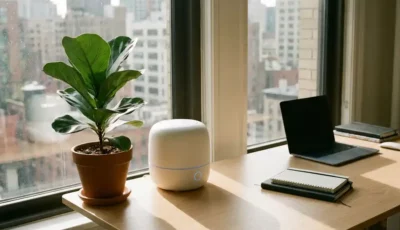
Air quality monitoring technology uses sensors and devices to continuously track indoor environmental conditions, measuring key pollutants and parameters that affect human health and performance. These systems monitor carbon dioxide (CO2) levels, volatile organic compounds (VOCs), particulate matter, humidity, temperature, and other airborne contaminants in real time.
The connection between indoor air quality and employee wellbeing in the workplace is profound and scientifically established. Poor air quality directly impacts cognitive function, with elevated CO2 levels reducing decision-making ability and concentration. VOCs from office furniture, cleaning products, and building materials can cause headaches, fatigue, and respiratory irritation. Excessive humidity promotes mould growth and allergens, while inadequate ventilation allows pollutants to accumulate.
Modern workplace environments, particularly in energy-efficient buildings with limited natural ventilation, can trap contaminants that significantly affect employee health. Air quality monitoring provides the visibility needed to maintain optimal conditions, ensuring workers can perform at their best while reducing sick days and improving overall workplace satisfaction.
How does poor air quality actually affect employee performance and health?
Poor indoor air quality creates measurable physiological and psychological impacts that directly reduce employee performance and wellbeing. High CO2 concentrations above 1,000 parts per million impair cognitive function, slow reaction times, and reduce problem-solving abilities. Employees experience difficulty concentrating, making decisions, and maintaining alertness throughout the workday.
The health effects extend beyond immediate discomfort. Elevated particulate matter and VOC levels trigger respiratory symptoms, including coughing, throat irritation, and breathing difficulties. Workers exposed to consistently poor air quality develop what is known as sick building syndrome, characterised by persistent headaches, fatigue, and general malaise that improves when they are away from the office.
Temperature and humidity imbalances compound these issues. Overly dry air irritates mucous membranes and increases susceptibility to infections, while excessive humidity creates an environment for allergens and pathogens. These conditions lead to increased absenteeism, reduced productivity, and higher healthcare costs for organisations.
Long-term exposure to poor indoor air quality contributes to chronic health issues, including asthma, allergies, and cardiovascular problems. The cumulative effect creates a workplace environment that undermines both individual wellbeing and organisational performance.
What types of air quality monitoring technology are available for workplaces?
Workplace air quality monitoring solutions range from standalone sensors to comprehensive smart office solutions integrated with building management systems. Standalone sensors offer targeted monitoring for specific areas, measuring individual parameters such as CO2 or particulates. These devices provide localised data and are ideal for testing air quality in problem areas or smaller offices.
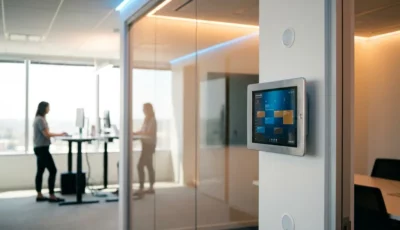
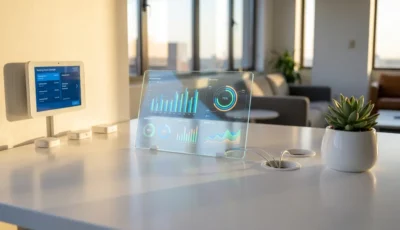
Integrated smart building systems represent the most comprehensive approach, connecting multiple sensors throughout the workplace to central monitoring platforms. These systems track various parameters simultaneously, including CO2, VOCs, particulates, temperature, and humidity. The data feeds into dashboards that provide real-time insights and historical trends for facility managers.
IoT-enabled devices offer wireless connectivity and remote monitoring capabilities, allowing facility teams to track air quality across multiple locations from a single interface. These sensors can trigger automated responses, such as adjusting ventilation systems or sending alerts when thresholds are exceeded through advanced integrations.
Mobile monitoring units provide flexibility for temporary measurements or for investigating specific air quality concerns. Real-time monitoring dashboards display current conditions and trends, enabling quick responses to changing environmental conditions. Advanced systems integrate with building automation to automatically adjust ventilation, heating, and cooling based on air quality readings.
How do you implement air quality monitoring in a hybrid work environment?
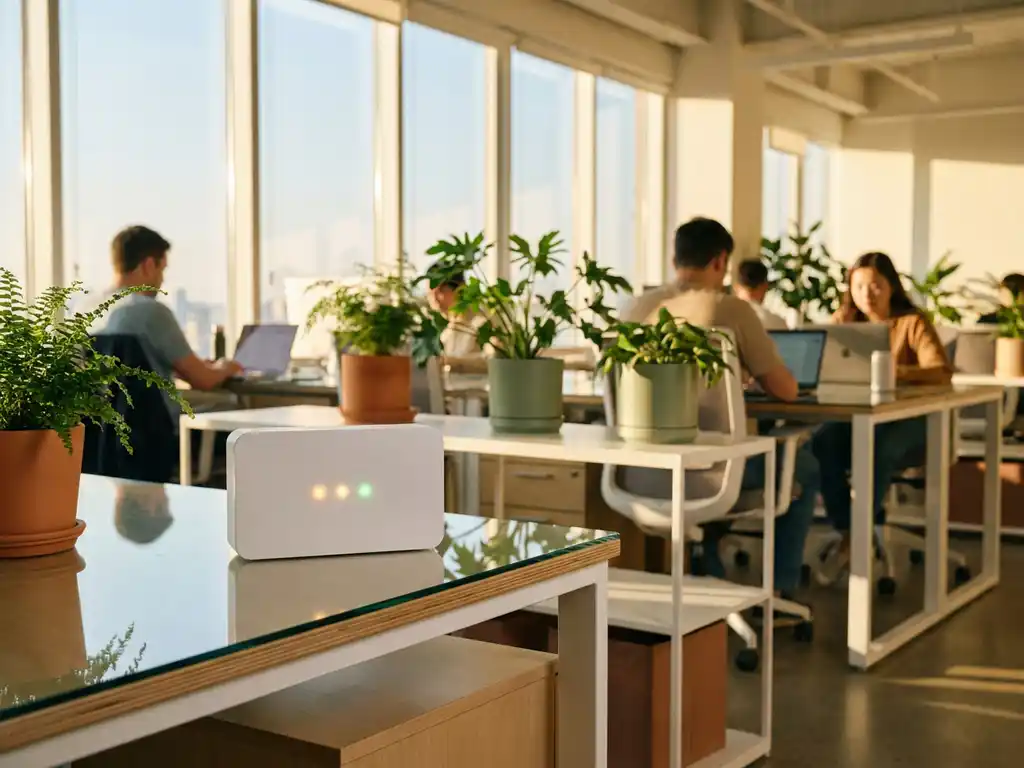
Implementing air quality monitoring in hybrid work environments requires strategic sensor placement and integration with flexible workspace management systems. Sensors should be positioned in high-traffic areas, meeting rooms, and flexible desk zones where occupancy varies throughout the day. This approach ensures comprehensive coverage of spaces that experience different usage patterns.
Integration with desk booking systems creates powerful synergies for smart office technology deployment. When employees reserve workspaces through products such as those offered by modern workplace management solutions, air quality data can inform space allocation decisions. Areas with poor air quality can be temporarily removed from booking systems until conditions improve, protecting employee health while maximising usable space.
Data collection methods should account for variable occupancy patterns typical in hybrid environments. Sensors need to distinguish between naturally elevated CO2 levels during busy periods and problematic air quality requiring intervention. Baseline measurements during low-occupancy periods help establish normal ranges for different areas and times.
Using air quality data to optimise space allocation involves analysing patterns over time. Areas consistently showing poor air quality may require ventilation improvements or occupancy limits. Conversely, spaces with excellent air quality can be prioritised for booking during peak demand periods. This data-driven approach ensures employees always have access to healthy work environments, supporting both productivity and wellbeing in flexible workplace arrangements.
How GoBright helps with air quality monitoring and employee wellbeing
GoBright provides a comprehensive solution for air quality monitoring that seamlessly integrates with your existing workplace technology ecosystem. Our smart office platform transforms air quality data into actionable insights that directly support employee wellbeing through:
- Real-time environmental monitoring – Track CO2 levels, temperature, humidity, and air quality metrics across all workspace areas with wireless sensors that provide instant alerts when thresholds are exceeded
- Intelligent space allocation – Automatically redirect bookings away from areas with poor air quality and guide employees to healthier workspace zones through our desk booking system
- Predictive maintenance alerts – Receive automated notifications when HVAC systems require attention based on air quality trends, preventing problems before they impact employee health
- Data-driven insights – Access comprehensive dashboards that correlate air quality data with occupancy patterns, helping you optimise both space utilisation and environmental conditions
- Seamless integrations – Connect with existing building management systems to automatically adjust ventilation and climate control based on real-time air quality readings
Ready to create a healthier, more productive workplace environment for your employees? Contact GoBright today to discover how our air quality monitoring solutions can transform your office into a space that truly supports employee wellbeing and performance.