International Bank — WiFi Occupancy
Data from GoBright’s WiFi Occupancy Measurement revealed a stark imbalance: an overcrowded Amsterdam headquarters twice a week, and regional offices sitting largely empty. The insight gave this international bank the evidence to close three office buildings.
- Finance & Banking
- Amsterdam headquarters + 23 regional offices
- 3 fewer office buildings
The Challenge
The COVID-19 pandemic fundamentally changed how employees at this large bank used office space. Before the pandemic, the bank operated a traditional Space Allocation Plan: business units and departments held dedicated workspaces on assigned floors or sections of floors. Working from the office was the standard; working from home was the exception.
With its headquarters in Amsterdam and 23 regional offices across the Netherlands, the bank’s office portfolio was designed to support its business operations at the time. Critical functions such as Executive Management, International Banking, the Trading Room, and IT were concentrated at the headquarters campus, while Retail Banking, Facility Management, and several back-office departments were spread across the regional offices.
During the pandemic, the bank significantly restricted office access. To reduce use of public transport, it allowed employees to work from the office closest to their home. After the pandemic, the bank introduced a hybrid working strategy, enabling employees to work partly, or in some roles entirely, from home.
This new way of working created an imbalance in office occupancy. The Amsterdam headquarters campus offers excellent accessibility and amenities, including on-site parking, a nearby railway station, and a shopping centre within walking distance. It became consistently overcrowded on Tuesdays and Thursdays.
Meanwhile, several regional offices, particularly those outside the Randstad metropolitan area, remained largely underused. The bank needed objective insight into how its office locations were actually being used.

The Solution
The bank chose to analyse office utilisation using WiFi Occupancy, giving it data-driven insight into occupancy levels across buildings, floors, and office zones throughout the working week.
It quickly became clear that knowing how many employees were present was not enough. To optimise its workplace strategy effectively, the bank also needed to know which departments were using specific office locations.
A manual registration process for departmental occupancy proved impractical and did not scale. The bank asked whether WiFi Occupancy could be extended to deliver occupancy insights at department level.
Technical research showed this was feasible: employees’ laptops and mobile devices already carried unique technical identifiers for security purposes. From the outset, the bank treated privacy as a fundamental design requirement, not an afterthought.
Working closely with the Central Works Council, GoBright developed a privacy-by-design solution. It did not store or make individual location data traceable. Devices were used solely to generate anonymised occupancy counts by department, and a minimum group size ensured reports could never relate to very small teams or individual employees.
This privacy-by-design approach secured approval from the Central Works Council, giving the bank reliable department-level occupancy insight without compromising employee privacy.
The Results
By combining WiFi Occupancy data with long-term trend analysis, the bank optimised its workplace strategy on a structural basis.
Optimising the real estate portfolio
The analysis revealed the organisation needed significantly fewer workstations than before the pandemic. By consolidating departments more efficiently, the bank closed three office buildings, delivering substantial savings in real estate and operating costs.
Aligning workspaces with actual demand
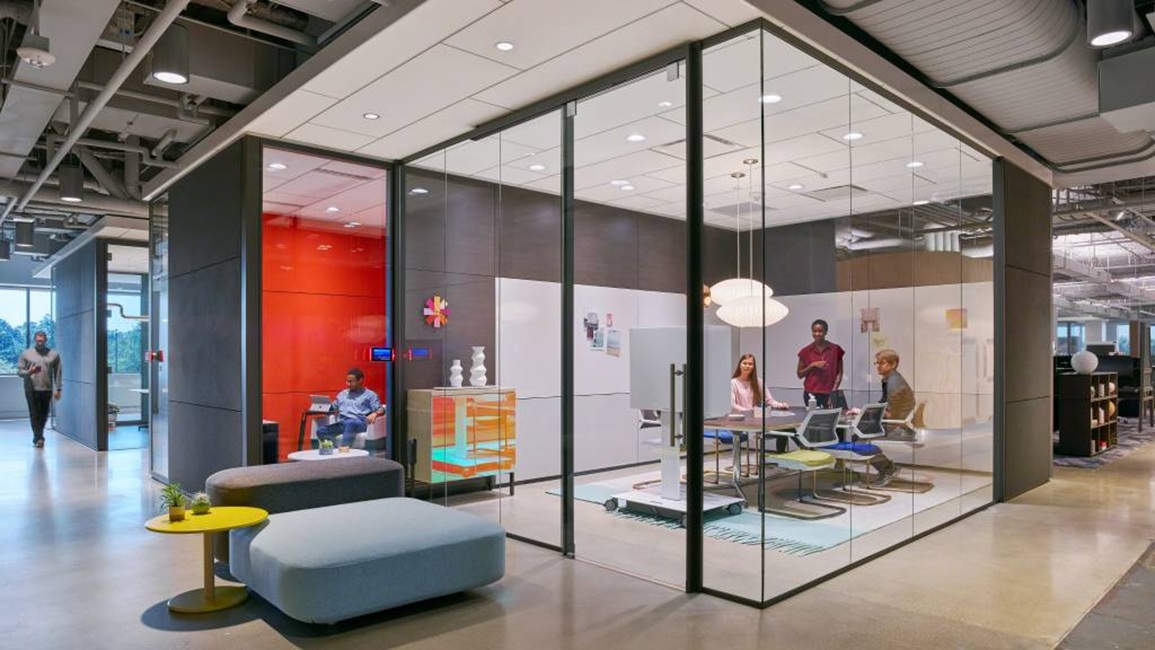
The data showed demand for meeting rooms was significantly higher than expected. Scrum sessions and team meetings frequently ended up in corridors because no suitable meeting space was available.
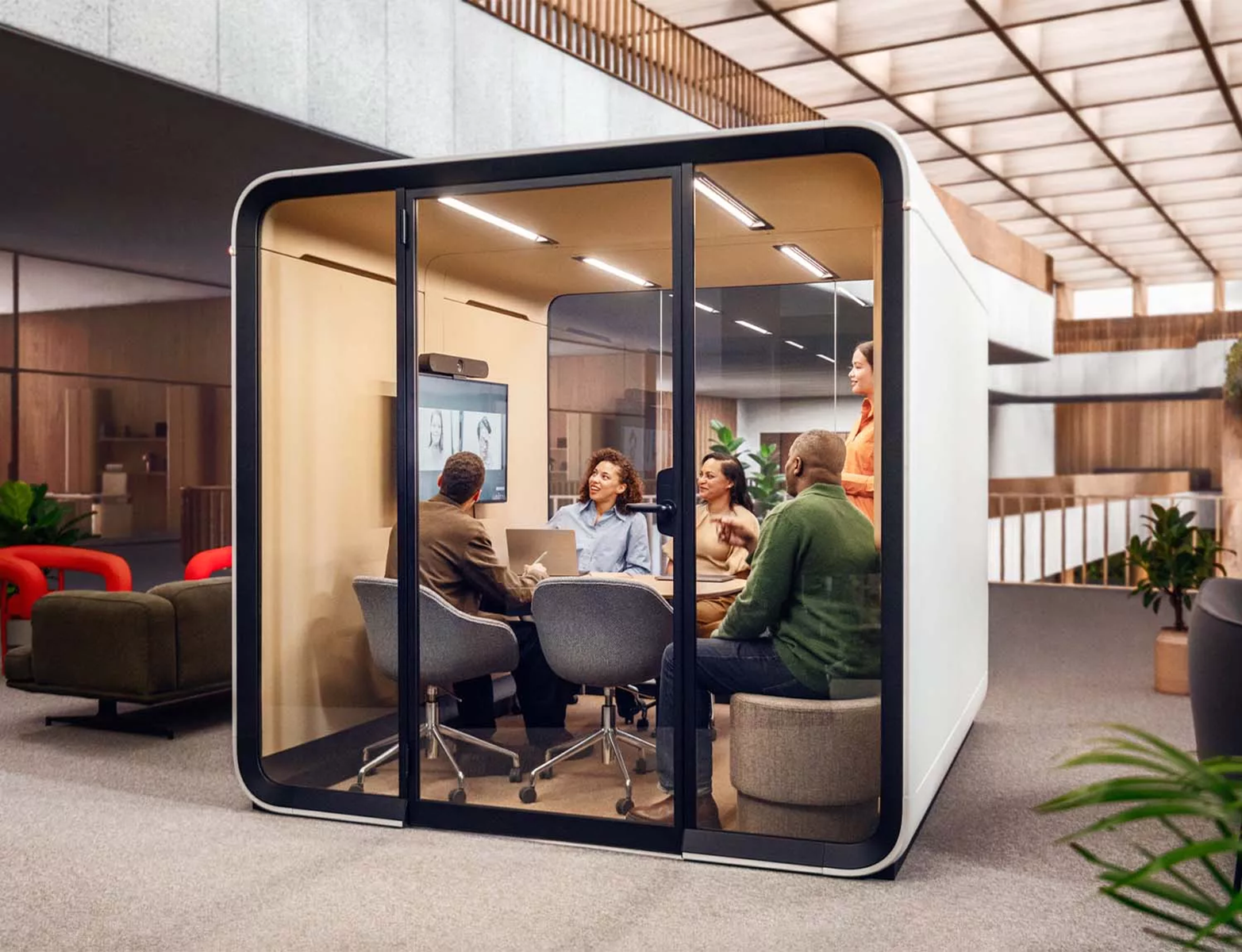
Based on these insights, the bank created additional meeting rooms in its remaining offices and revised its room booking policy. Meeting rooms could no longer be reserved far in advance for extended periods, the bank actively monitored no-shows, and contacted organisers about unused reservations. As a result, both the availability and utilisation of meeting facilities improved considerably.
Greater transparency for employees
Employees gained visibility into the expected occupancy levels of each office location. This let them make better-informed decisions about when and where to work, contributing to a more balanced distribution of office attendance and a more pleasant working environment.
Data-driven distribution of office attendance
The analysis clearly showed occupancy peaked on Tuesdays and Thursdays. Based on these findings, the bank introduced policies to spread meetings and team days more evenly throughout the week. It encouraged business units to schedule gatherings on different weekdays, resulting in a more balanced occupancy pattern and more efficient use of available office capacity.
Conclusion
By combining WiFi Occupancy with a carefully designed privacy-by-design approach, the bank transformed its workplace strategy from assumption-based decision-making to fact-based management. The organisation gained insight not only into how many employees were present, but also into how different departments actually used office locations. This data-driven approach enabled the bank to reduce real estate costs, better align office layouts with employee needs, and sustainably support hybrid working. The result is a flexible, efficient, and future-ready workplace where data forms the foundation for strategic decision-making.
About This Bank
In line with its internal communications policy, this international bank remains anonymous in this publication. It has given permission to share its experience to help other organisations achieve sustainable improvements in workplace management and hybrid working.

let’s make your workplace
smarter, together
Reach out to Chris
our CCO

Get inspired, read our latest cases
International Bank — WiFi Occupancy
- Finance and Banking
- Amsterdam headquarters + 23 regional offices
- WiFi Occupancy Measurement
- 3 fewer office buildings
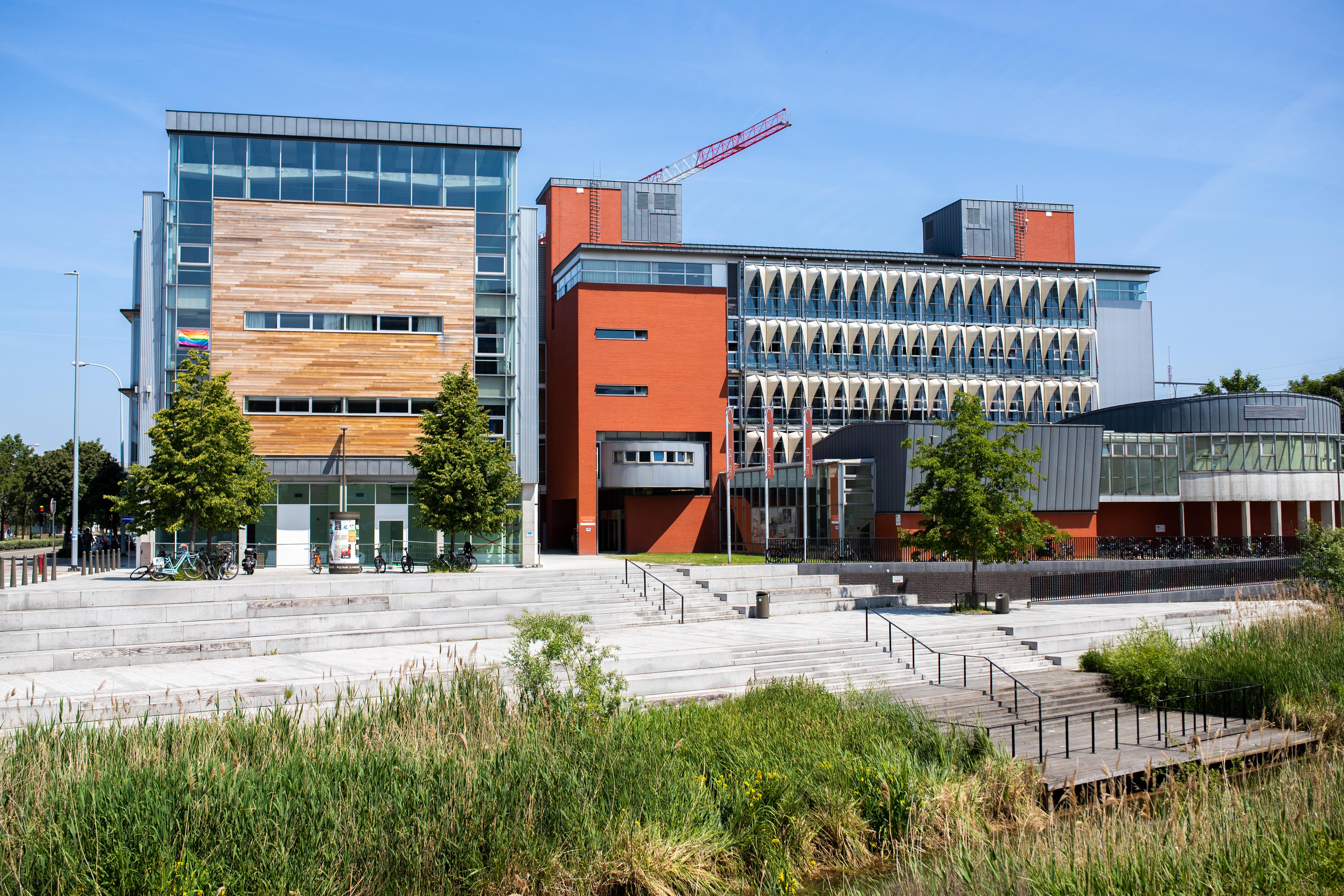
Thomas More WiFi occupancy measurement
- Occupancy Insights: Real-time and historical WiFi-based utilisation data across 26 buildings in 7 cities.
- Automated reporting: Actual usage compared against the timetable automatically, every night. Trend analysis: Short-, medium- and long-term usage trends tracked across 60 different programmes.
- WiFi Occupancy Measurement +1 product

Gilde College
- Smart Workplaces in education
- Smarter space usage ~ 50% fewer desks
- Real usage data behind every decision
- Desk Booking +5 producten
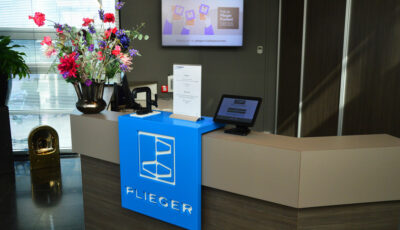

Plieger Group
- Centralised content management across 80+ locations.
- Smooth check-in process with instant host notifications at reception.
- Simple, real-time meeting room booking for a seamless office experience.
- Digital Signage +2 producten

CFC Underwriting
- A Future Ready Workplace with GoBright and Kinly
- a smart office headquarters that supports its continued growth
- Room Booking +2 producten

Aston University
- Challenge: enabling staff and students to work more efficiently and embrace a truly agile campus environment.
- Solution: Enabling instant bookings, automatic room releases, and clear insights to optimise campus spaces efficiently.
- Room Booking +1 product

Land van Cuijk
- Bringing together five locations into one future-proof City Hall
- Optimising workspace by reducing desks with 50% using smart office solutions
- Digital Signage keeping employees and citizens informed
- Desk Booking +4 producten

KRUK
- Challenge: manage a hybrid working environment
- Room Booking +2 producten

POLIMI University
- Challenge: allow space management and inform teachers and students
- Room Booking +3 producten
Municipality Noardeast-Fryslân
- Challenge: Boost collaboration and connection at the workplace
- Room Booking +1 product


Admiral Group
- Challenge: Focusing on active collaboration
- Room Booking +2 producten

Viridium Gruppe
- Challenge: Finding the right balance with hybrid working
- Room Booking +1 product
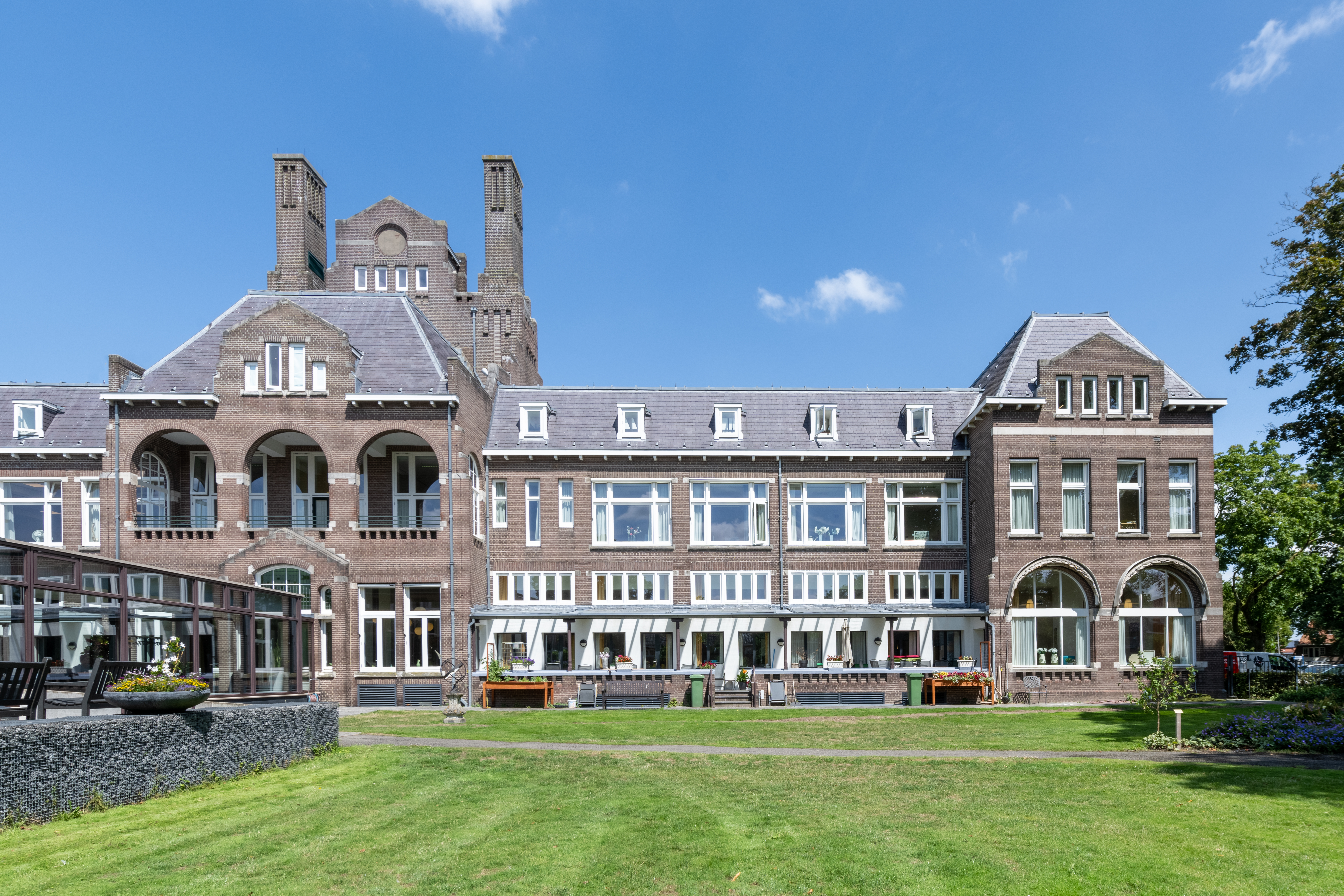

IJsselheem
- Challenge: Boost collaboration and connection at the workplace
- Room Booking +2 producten


Subaru
- Challenge: Optimise hybrid working strategy
- Room Booking +2 producten

Dutch Railways (NS)
- Challenge: Streamline meeting room booking process
- Room Booking +1 product