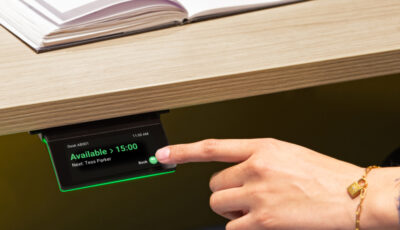
A workplace booking system builds culture through features that encourage spontaneous interactions, increase team visibility, and facilitate collaboration. Look for colleague-locating tools, team-based booking options, integrated communication features, and analytics that help leaders understand how your space supports connection. These elements transform booking systems from simple reservation tools into culture-building platforms.
What makes a workplace booking system effective for building culture?
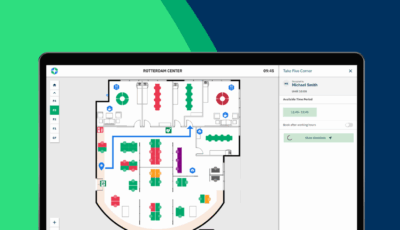
An effective culture-building booking system goes beyond basic desk and room reservations to actively facilitate human connections and team interactions. The system should include colleague-locating features that help remote workers find their teammates when they come into the office, team proximity booking that allows departments to reserve adjacent spaces, and visibility tools that show who’s planning to be in the office on any given day.
The most important aspect is creating opportunities for those spontaneous conversations that happen when people know their colleagues are nearby. When you can see that your project teammate has booked a desk two rows over, you’re more likely to coordinate your office days and grab coffee together. This visibility transforms the office from a collection of individual workstations into a dynamic space where relationships can flourish.
Integration with your existing communication tools also matters significantly. When your booking system connects with Microsoft Teams or Slack, it can automatically update your status and location, making it easier for colleagues to find and connect with you. This seamless flow of information reduces friction and encourages the kind of impromptu interactions that strengthen workplace relationships.
How does visibility into colleague locations strengthen team bonds?
Colleague-locating features help hybrid workers find their teammates in the office, enabling impromptu conversations and maintaining personal connections that remote work can sometimes weaken. These tools show you not just where people are sitting, but also their availability and current projects, making it easier to collaborate naturally.
When you know your colleague is working on the third floor today, you can easily stop by their desk to discuss that project you’ve been emailing about. This face-to-face interaction often leads to better problem-solving and stronger working relationships than digital communication alone. The spontaneous nature of these encounters also helps maintain the personal connections that make work more enjoyable and teams more cohesive.
Location visibility also helps remote workers feel more connected to their office-based colleagues. When someone working from home can see that half their team is in the office today, they might choose to join them tomorrow. This social coordination happens naturally when people have the information they need to make informed decisions about where to work.
The psychological impact shouldn’t be underestimated either. Knowing that you can easily find and connect with your colleagues when you’re in the office makes the physical workspace feel more welcoming and less isolating, particularly for employees who don’t come in every day.
Why do team-based booking features matter for workplace culture?
Team-based booking capabilities allow groups to reserve adjacent desks, collaborative spaces, and meeting rooms together, ensuring departments can maintain cohesion and work effectively when they choose to be in the office. These features include group booking options, team clustering tools, and the ability to see and coordinate with your colleagues’ schedules.
When your marketing team can book a cluster of desks together for its quarterly planning week, it creates an environment that encourages collaboration and knowledge sharing. This proximity allows for the kind of quick questions, brainstorming sessions, and informal discussions that often lead to breakthrough ideas. It’s much easier to bounce ideas off someone when they’re sitting three feet away rather than three floors away.
Group booking features also help teams coordinate their hybrid schedules more effectively. Instead of individuals randomly choosing their office days, teams can plan to be together when collaboration is most needed. This intentional coordination ensures that office time is productive and relationship-building, rather than just individual focused work that could be done anywhere.
The ability to reserve collaborative spaces alongside individual desks is equally important. When teams can book both their workspace and their meeting room for the day, they create dedicated collaboration zones that support both individual work and group activities without the stress of hunting for available meeting spaces.
What role does real-time communication play in culture-focused booking systems?
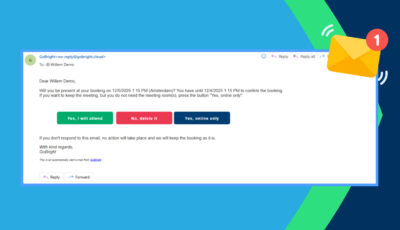
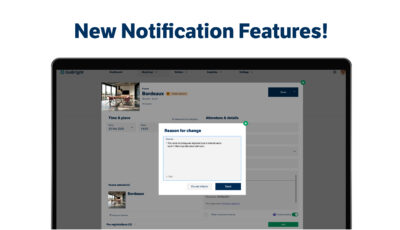
Integrated messaging, status updates, and notification features keep teams connected and informed about office presence and availability, creating a communication layer that supports spontaneous collaboration. These tools bridge the gap between digital and physical workspace interaction, ensuring that booking information flows naturally into daily communication patterns.
When your booking system can send notifications that your project partner has just arrived at their booked desk, you have the opportunity to coordinate your work or schedule an impromptu catch-up. These real-time updates create awareness that leads to connection, rather than leaving colleagues to discover each other’s presence by chance.
Status integration with communication platforms like Teams or Slack means that your location and availability information stays current across all your work tools. Your colleagues can see not just that you’re in the office, but also whether you’re available for a quick chat or deep in focused work. This transparency helps people respect each other’s work styles while still facilitating connection when appropriate.
The notification features should be intelligent and customisable, allowing people to stay informed without being overwhelmed. You might want to know when your direct reports are in the office, but not need updates about every booking change across the entire company. Thoughtful communication features enhance culture by providing useful information without creating digital noise.
How can booking analytics help leaders understand and improve workplace culture?
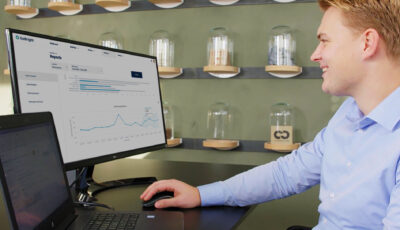
Workplace utilisation data, collaboration patterns, and space-usage insights help management make informed decisions about fostering better workplace culture and employee satisfaction. Analytics reveal how people actually use the office, which teams collaborate most effectively, and what environmental factors support positive workplace culture.
Understanding which spaces get booked together most frequently can reveal natural team dynamics and collaboration patterns. If you notice that certain departments consistently book adjacent desks, you might consider creating dedicated team zones. Conversely, if teams are spread randomly across the office, you might need to improve your team booking features or communication about their benefits.
Utilisation patterns also show you when your office is most and least social. If Tuesdays and Wednesdays see the highest occupancy and most collaborative bookings, you might schedule team events or important meetings on those days. Understanding these natural rhythms helps you work with, rather than against, your employees’ preferences and habits.
The data can also highlight potential culture challenges before they become serious problems. If you see declining collaboration bookings or increasing isolation in desk-selection patterns, it might indicate that your workplace culture needs attention. Proactive culture management uses this information to address issues early and create interventions that support better team connection.
Analytics should also measure the success of culture-building initiatives. If you introduce new collaborative spaces or team booking features, the data will show you whether these changes actually increase interaction and collaboration, allowing you to refine your approach based on real usage patterns rather than assumptions.
The most effective workplace booking systems combine practical reservation functionality with culture-building features that help teams connect, collaborate, and thrive in hybrid work environments. By choosing a system that prioritises human connection alongside operational efficiency, you create the foundation for a workplace culture that brings out the best in your people, whether they’re in the office every day or just a few times a week. These comprehensive smart office solutions help organisations transform their offices into spaces where culture can flourish naturally.