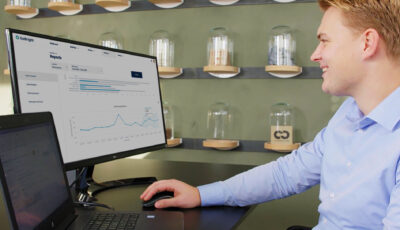
Workspace flexibility fundamentally shapes workplace culture by giving employees choice and control over their work environment. When people can select spaces that match their tasks and preferences, it creates a culture of trust, autonomy, and collaboration. This shift from assigned seating to flexible arrangements changes how teams interact, communicate, and feel about their workplace.
What exactly is workspace flexibility, and why does it matter for culture?
Workspace flexibility refers to office environments where employees can choose from various work settings based on their tasks and preferences. This includes hot-desking, bookable meeting rooms, quiet zones, collaboration areas, and hybrid work options that blend office and remote work.
The connection between flexible spaces and workplace culture runs deeper than most organisations realise. When you remove the traditional model of assigned desks and rigid office layouts, you’re actually changing the fundamental relationship between people and their work environment. Employees gain agency over their daily experience, which builds trust and demonstrates that leadership values their judgement.
This autonomy creates ripple effects throughout your organisation. Teams naturally form around projects rather than proximity. Collaboration becomes more intentional as people actively choose to work together in shared spaces. The physical act of selecting different environments for different tasks reinforces a culture that values results over presence and flexibility over rigid structures.
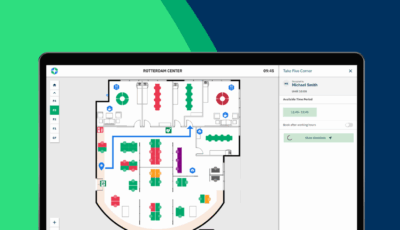
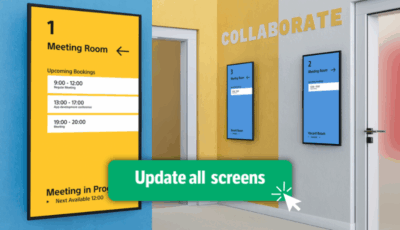
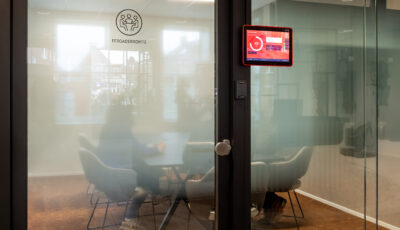
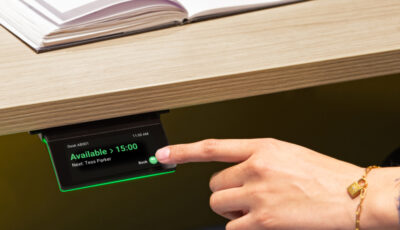
Modern booking systems make this flexibility practical by allowing people to reserve desks, rooms, and resources in advance. This removes the stress of finding appropriate workspace while maintaining the benefits of choice. The technology becomes invisible, supporting cultural change rather than driving it.
How does flexible workspace design actually change employee behaviour?
Flexible workspace design transforms employee behaviour by providing environmental variety that matches different work modes. People naturally migrate to spaces that suit their current tasks, leading to improved focus, better collaboration, and increased satisfaction with their work experience.
The most noticeable change happens in how people approach their daily routines. Instead of settling into the same desk every morning, employees make conscious decisions about where they’ll be most effective. Someone preparing for a presentation might choose a quiet focus area, while a team planning a project gravitates toward collaborative spaces with whiteboards and comfortable seating.
This decision-making process itself changes behaviour patterns. People become more intentional about their work, thinking about what they need to accomplish and what environment will support those goals. The physical movement between spaces throughout the day also increases energy levels and provides natural breaks that boost creativity and problem-solving.
Social dynamics shift significantly in flexible environments. Without assigned seating, people interact with colleagues they might never have encountered in traditional office layouts. Cross-departmental relationships develop more naturally, leading to better communication and knowledge sharing across the organisation.
The psychological impact of having choices cannot be understated. When people feel they have control over their environment, stress levels decrease and job satisfaction increases. This sense of autonomy extends beyond physical space choices, often encouraging people to take more ownership of their projects and professional development.
What are the biggest challenges companies face when implementing workspace flexibility?
The primary challenges companies encounter include employee resistance to change, technology integration difficulties, concerns about space utilisation, and management adaptation to new supervision approaches. These obstacles often stem from deeply ingrained habits and assumptions about how work should happen.
Resistance to change typically comes from employees who’ve grown comfortable with assigned desks and predictable routines. Many people initially worry about losing their personal space or struggling to find colleagues when needed. Managers often express concerns about supervising teams they can’t see consistently, questioning how they’ll maintain productivity and accountability.
Technology integration presents practical hurdles that can derail flexibility initiatives. Booking systems must work reliably across different devices and integrate with existing calendars and communication tools. When technology fails or feels cumbersome, people quickly abandon flexible working patterns and return to familiar habits.
Space utilisation becomes a complex puzzle when you’re trying to provide variety while maximising efficiency. Organisations struggle to predict which types of spaces will be most popular and how to balance individual work areas with collaborative zones. Getting this wrong leads to overcrowded popular areas and underused spaces that feel wasteful.
Cultural resistance often proves more challenging than technical issues. Long-standing workplace norms about presence, hierarchy, and territorial behaviour don’t disappear overnight. Some employees view flexible arrangements as threats to their status or security, while others worry about fairness in space allocation.
Management adaptation requires new skills and mindsets. Leaders must learn to focus on outcomes rather than visibility, develop trust in remote team members, and create new ways to maintain team cohesion when people aren’t sitting together consistently.
How do you measure the cultural impact of workspace flexibility changes?
Measuring cultural impact requires tracking both quantitative metrics like space utilisation data and employee engagement scores, alongside qualitative indicators such as collaboration patterns and retention rates. The most revealing insights come from combining multiple data sources to understand how flexibility affects workplace relationships and satisfaction.
Employee engagement surveys provide direct insight into how people feel about their work environment and autonomy levels. Questions about workplace satisfaction, sense of control, and collaboration opportunities reveal whether flexibility initiatives are creating positive cultural changes. Regular pulse surveys help track these sentiments over time as people adapt to new working patterns.
Space utilisation data shows how people actually use flexible environments versus how you expected them to behave. Booking system analytics reveal which spaces are most popular, when people prefer different environments, and whether variety is genuinely being utilised or if everyone gravitates toward similar areas.
Collaboration frequency can be measured through communication tool analytics, meeting room usage patterns, and project team formation data. If flexibility is working, you should see increased cross-departmental interaction and more spontaneous collaboration as people encounter diverse colleagues in shared spaces.
Retention rates and recruitment success often reflect cultural health more accurately than engagement surveys alone. When workplace culture improves through flexibility initiatives, talented people stay longer and the organisation becomes more attractive to potential hires who value autonomy and choice.
Productivity metrics require careful interpretation but can indicate whether flexibility supports or hinders work quality. Look for improvements in project completion times, creative output, and problem-solving effectiveness rather than simple presence-based measurements that don’t reflect modern work realities.
The most valuable insights come from regular conversations with employees about their experiences. Focus groups and informal feedback sessions reveal nuanced cultural shifts that numbers alone cannot capture, helping you understand the human impact of workspace changes.
Workspace flexibility represents more than a facilities management decision—it’s a fundamental choice about the kind of workplace culture you want to create. When implemented thoughtfully with proper technology support and change management, flexible environments foster trust, autonomy, and collaboration that extend far beyond physical space choices. Comprehensive smart office solutions help organisations navigate this transformation with integrated technology that makes flexibility practical and sustainable for long-term cultural success.