Flexible workspace reservations can significantly improve company culture by fostering collaboration, reducing territorial behaviour, and creating more inclusive environments for hybrid teams. These systems transform traditional office dynamics by giving employees autonomy over their workspace choices while promoting fairness and adaptability. The cultural benefits extend beyond convenience to reshape how teams interact and work together.
What exactly are flexible workspace reservations, and how do they work?
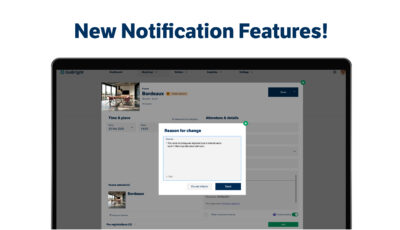
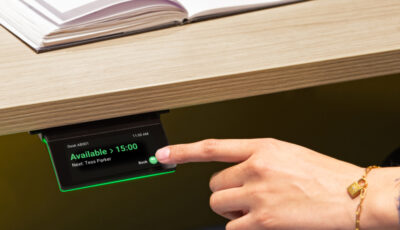
Flexible workspace reservations are digital booking systems that allow employees to reserve desks, meeting rooms, and other office spaces on demand rather than having permanently assigned locations. Employees use mobile apps or web platforms to view available spaces, book what they need, and receive confirmation details.
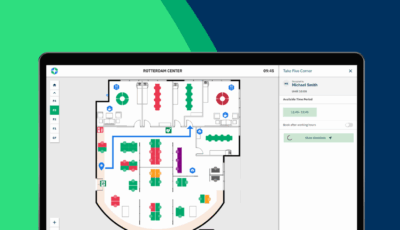
The technology typically includes desk booking systems with interactive floor plans showing real-time availability. Employees can filter options by location, equipment needs, or proximity to colleagues. Room reservation platforms integrate with calendar systems, automatically blocking booked times and sending meeting invitations.
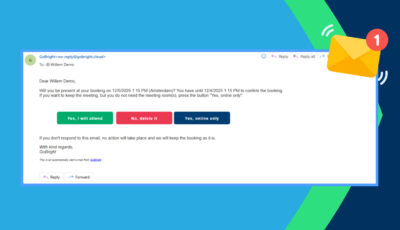
Daily interaction is straightforward. You check the app in the morning or the night before, select your preferred workspace, and arrive to find it ready. Many systems include check-in features that confirm your arrival and release unused bookings for others. Some advanced setups remember your preferences, suggesting similar spaces or alerting you when your favourite spots become available.
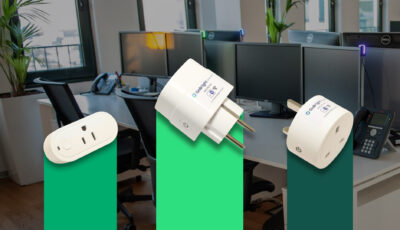
The backend manages everything automatically. When you book a desk, the system updates availability across all platforms, prevents double bookings, and can even adjust building services like heating or lighting based on expected occupancy.
How do flexible workspace reservations actually change company culture?
Flexible workspace reservations fundamentally shift workplace culture from ownership-based to sharing-based mindsets. This change reduces territorial behaviour around desks and encourages employees to interact with different colleagues daily, naturally increasing collaboration opportunities across departments and teams.
The most significant cultural impact is improved inclusivity for remote workers. When no one has a permanent desk, hybrid employees feel equally welcome on their office days. There’s no awkward searching for available spots or feeling like a visitor in their own workplace. Everyone starts each day on equal footing.
Employee autonomy increases dramatically. People can choose spaces that match their daily tasks, whether they need quiet focus areas, collaborative zones, or spaces near specific equipment. This control over their environment often leads to higher job satisfaction and productivity.
The system also promotes fairness. Popular window seats or prime locations become available to everyone through booking rather than being claimed by whoever arrives earliest or has seniority. This democratisation of workspace access can reduce workplace tensions and create a more equitable environment.
Teams become more adaptable and less rigid about “their” spaces. When physical boundaries dissolve, communication often improves, and cross-departmental projects become easier to coordinate.
What problems do flexible workspace reservations solve in modern offices?
Flexible workspace reservations directly address desk hoarding, where employees claim spaces they don’t consistently use, leaving others without adequate workspace. The booking system ensures spaces are only reserved when actually needed, maximising utilisation of available office real estate.
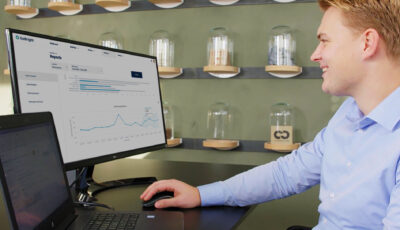
Space underutilisation becomes immediately visible through booking data. Facilities teams can identify which areas are consistently empty and which are overbooked, enabling better space planning and resource allocation. This visibility often reveals that companies need less office space than they thought or need to reconfigure existing layouts.
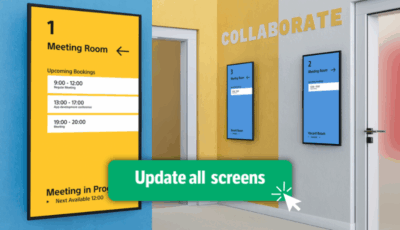
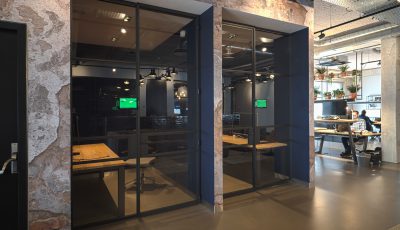
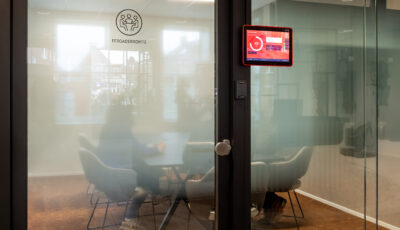
Meeting room conflicts disappear when everyone uses the same reservation system. No more double bookings, surprise occupants, or wandering around looking for available conference spaces. Integration with calendar systems means meeting organisers can book rooms while scheduling, streamlining the entire process.
Hybrid work challenges become manageable. Employees can coordinate their office days by seeing when teammates will be present and booking nearby spaces. This coordination capability helps maintain team cohesion even with flexible schedules.
The system also solves the “ghost town” problem, where sections of the office sit empty while others are overcrowded. Real-time visibility helps distribute people more evenly across available space, creating better energy and collaboration opportunities throughout the building.
Why do some employees resist flexible workspace reservations?
Many employees resist flexible workspace reservations because they fear losing personal space and the comfort of having “their” desk with familiar surroundings, personal items, and established routines. This attachment to territorial workspace creates anxiety about daily uncertainty and a reduced sense of belonging.
Technology adoption challenges affect some team members, particularly those less comfortable with mobile apps or digital platforms. The daily requirement to book spaces through technology can feel burdensome compared to simply arriving at a known desk.
Change management issues often stem from poor communication about why the system is being implemented. When employees don’t understand the benefits or feel the change is being imposed without consultation, resistance naturally increases. Some worry about being monitored or losing flexibility in their work arrangements.
Practical concerns include fear of not finding suitable workspace when needed, especially during busy periods. Employees worry about being stuck in less desirable locations or having to work from inappropriate spaces for their tasks.
Address these concerns by involving employees in the planning process, providing comprehensive training, and maintaining some consistency during the transition. Clearly communicate the benefits and be transparent about how the system works. Consider hybrid approaches that allow some personal storage or preferred booking options to ease the transition.
How do you successfully implement flexible workspace reservations without disrupting culture?
Successful implementation requires a gradual rollout with extensive employee involvement from the planning stages. Start by surveying staff about their workspace needs and concerns, then pilot the system with volunteer departments before company-wide deployment. This approach allows you to refine processes and address issues before they affect everyone.
Change management should focus on benefits rather than restrictions. Emphasise how the system provides more workspace options, better collaboration opportunities, and fairer access to premium locations. Share data showing improved space utilisation and cost savings that can be reinvested in better facilities or employee benefits.
Comprehensive training is important but should be simple and practical. Provide multiple learning options, including video tutorials, hands-on sessions, and peer support systems. Ensure the booking platform is intuitive enough that training requirements are minimal.
Maintain some familiar elements during the transition. Consider providing personal storage lockers, allowing teams to book adjacent spaces, or designating certain areas for specific departments. These compromises can ease anxiety while still achieving flexibility goals.
Monitor the cultural impact closely through regular feedback sessions and usage analytics. Be prepared to adjust policies based on employee input. Success comes from balancing system efficiency with employee satisfaction, not from rigid adherence to initial plans.
Create champions within each team who can help colleagues adapt and provide peer support. These advocates often prove more effective than top-down communication for addressing concerns and demonstrating benefits.
Flexible workspace reservations represent a significant shift in how we think about workplace culture. When implemented thoughtfully, with employee input and proper change management, these systems create more collaborative, equitable, and efficient work environments. Modern smart office solutions combine booking technology with cultural transformation to enhance rather than disrupt positive workplace relationships, focusing on the benefits that matter most to employees and organisations alike.